Photographer based in Durham, NC
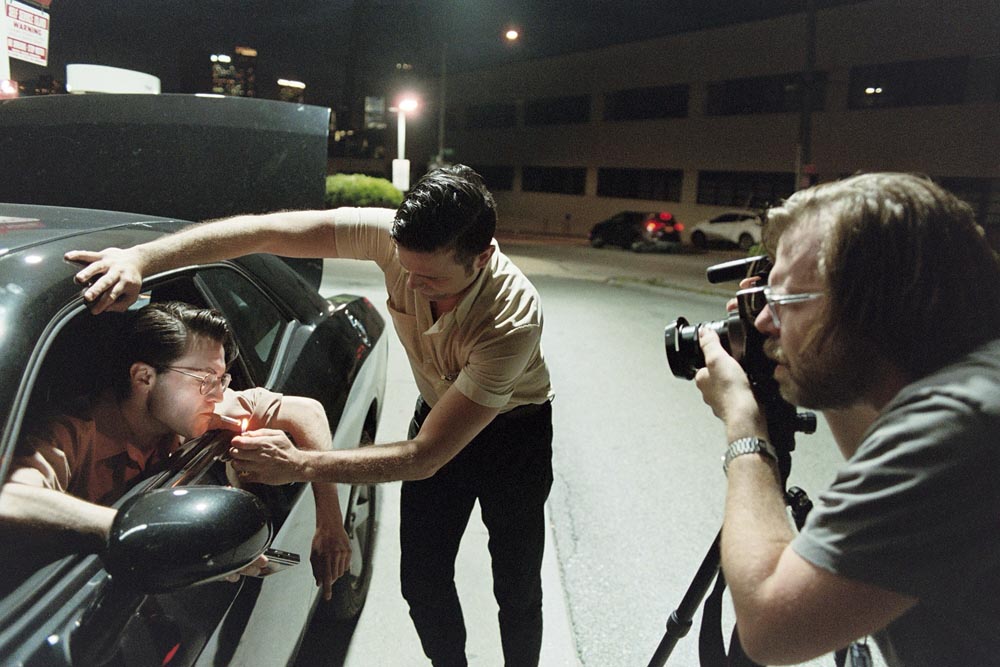
Sebastian Siadecki, Portrait of the Photographer, Photo by Chris Voss
Tell us about yourself, what's your background?
I grew up in suburban New Jersey; my parents were immigrants from Poland. Like many others, I got introduced to photography by my father, who was an avid amateur photographer and taught me the basics. I also remember around when I was in college, not knowing anything about art photography, somewhat randomly seeing Michael Almereyda's documentary William Eggleston in the Real World and being blown away by Eggleston's work. But photography was initially just a hobby that I drifted in and out of while I pursued a career entirely outside the arts.
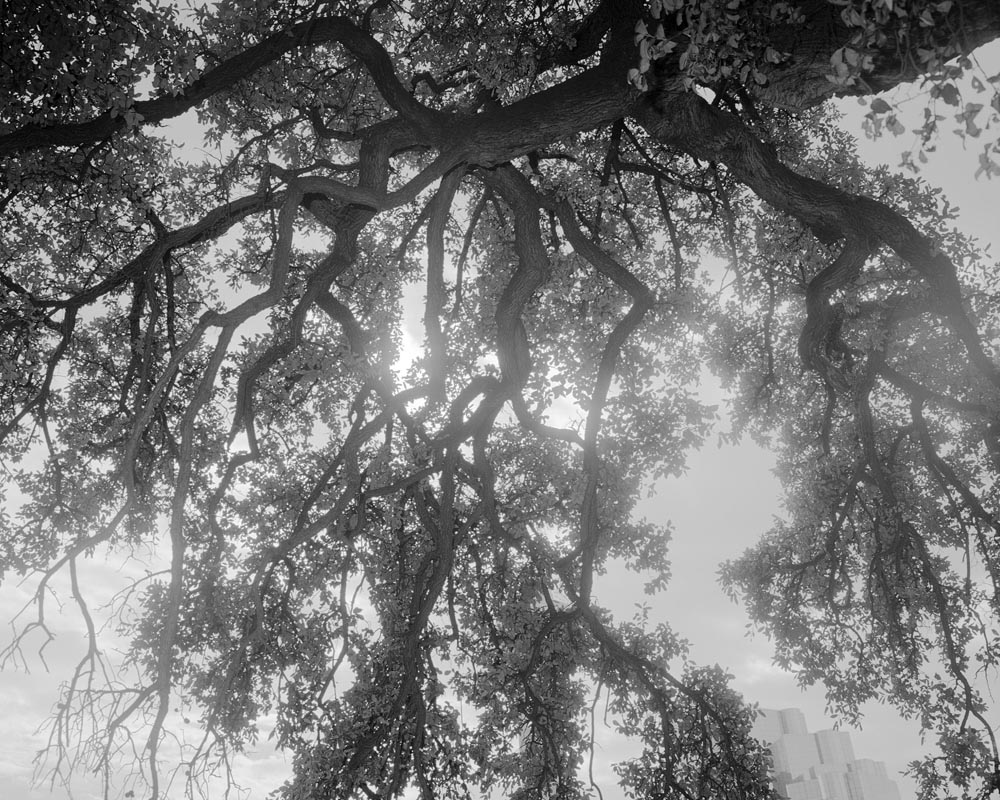
From the series, Four Days In November
I lived in New York City for many years, and suddenly around 2014, for a variety of reasons, I got back into it more seriously, specifically street photography. The bug bit me hard at that point. It was the early days of Instagram, and I quickly connected with a community of other young photographers in NYC. I had the opportunity to share work and get critique, and I had peers around me whose work was way ahead of mine and who pushed me forward. So what had been a hobby became a more serious practice.
A similar thing happened when I moved away from NYC; suddenly I was without that community and realized I had to find a new one. One thing led to another, which led ultimately to me pursuing an MFA, and opening myself up to a much wider world of other photographers and artists who I’ve gotten to learn from.
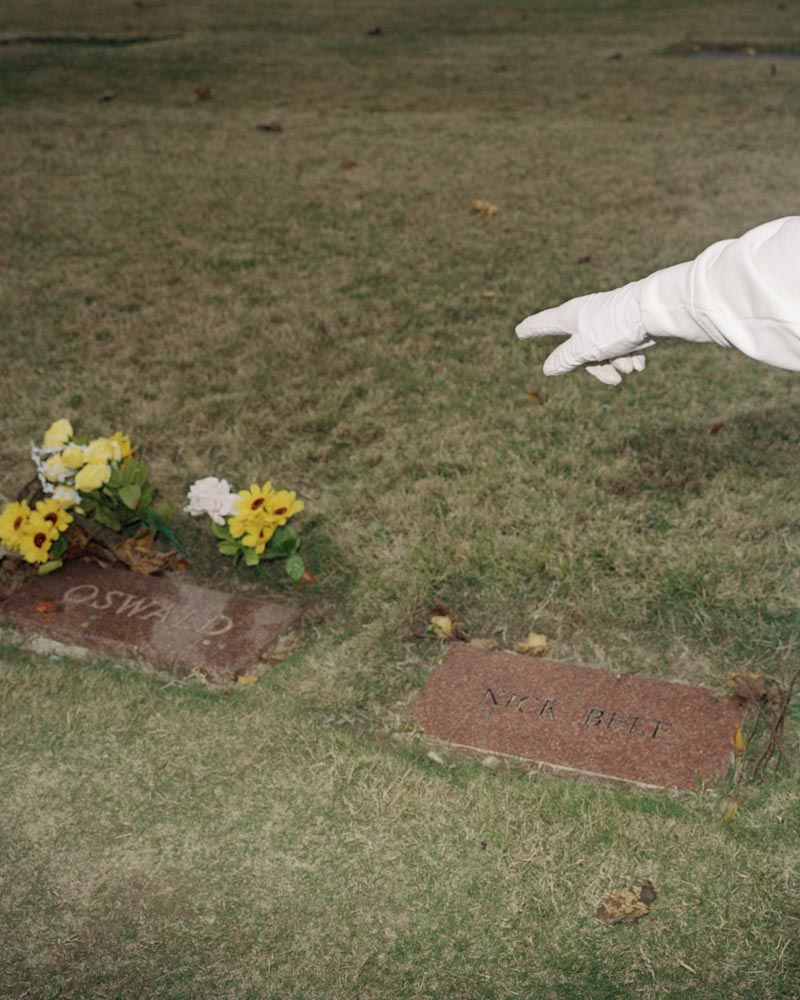
From the series, Four Days In November
“For me, ideas begin in the field . . . making pictures out in the real world, based on chance encounters, the work has to begin with going out and making pictures – even if I’m not sure what I’m doing. I like to have some basic idea for the subject matter I’m dealing with; I think some constraint or framework is important. But beyond that, the pictures lead me.“
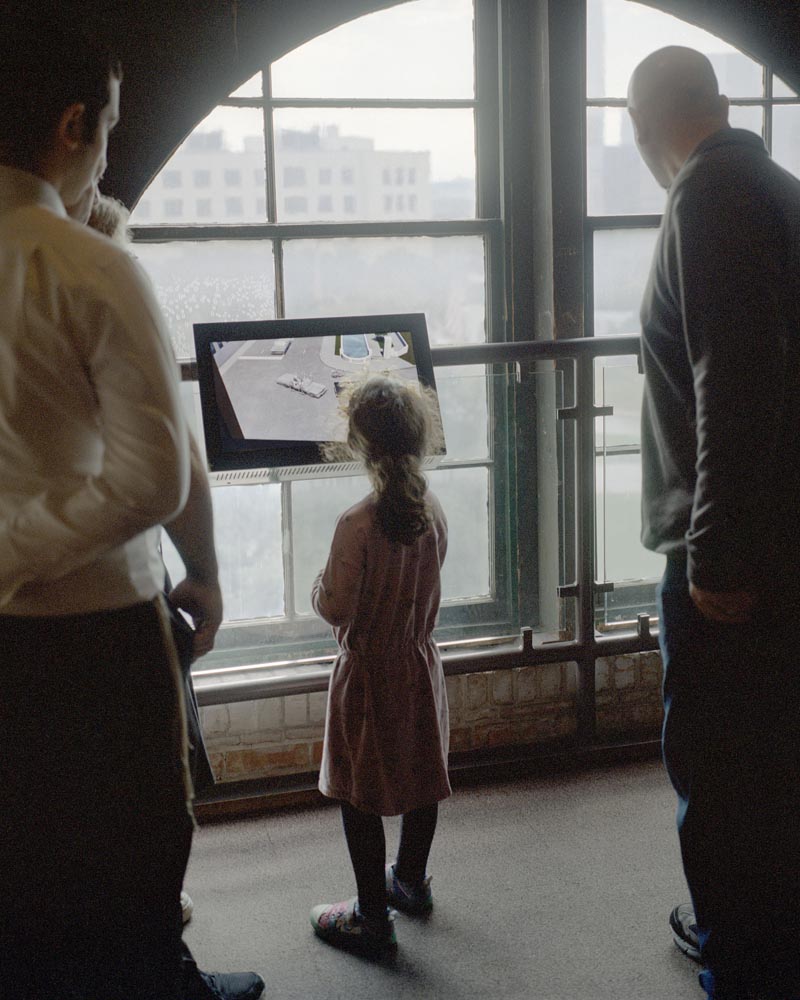
From the series, Four Days In November
What are you currently working on and where did the inspiration for it come from?
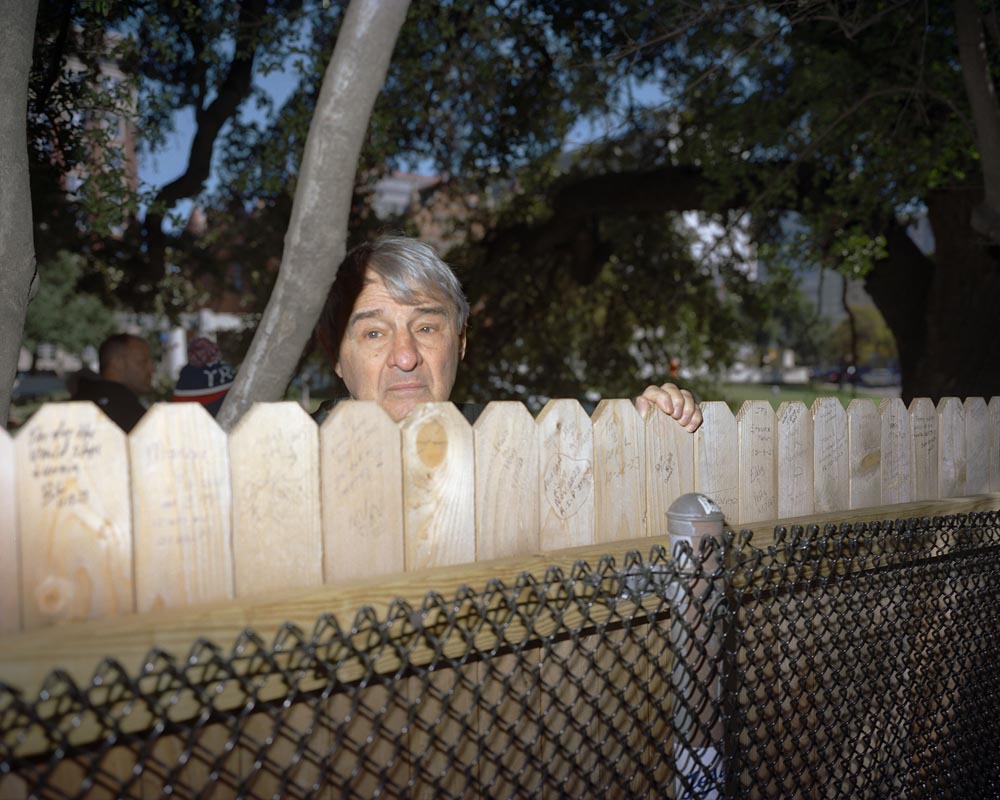
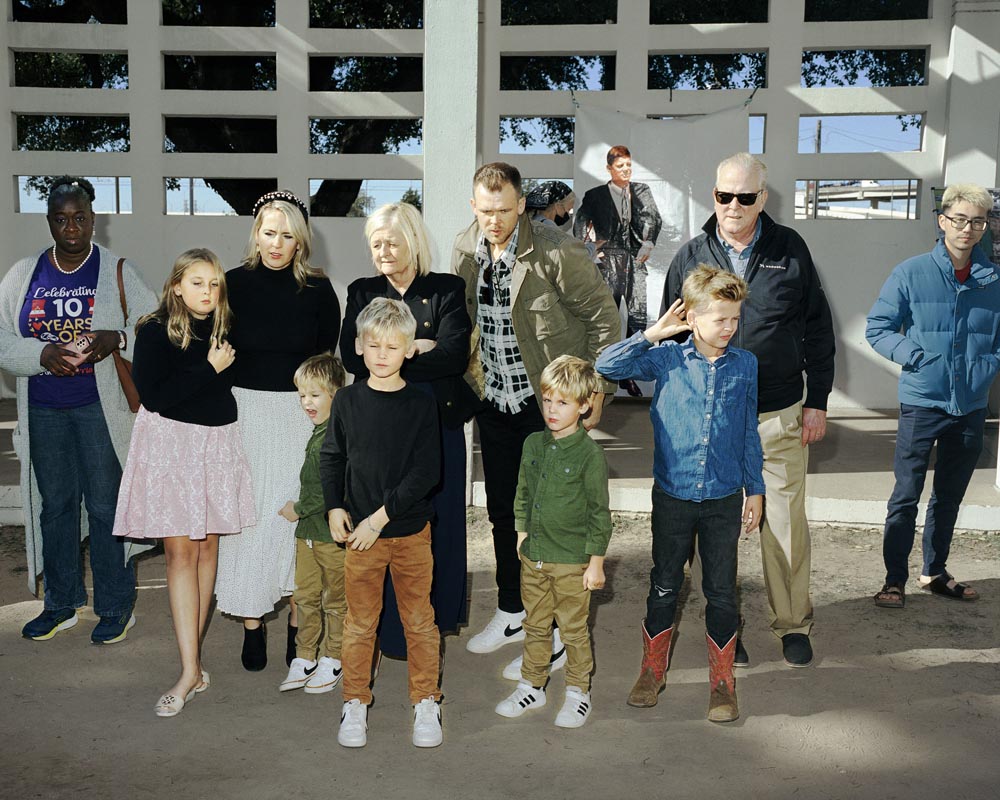
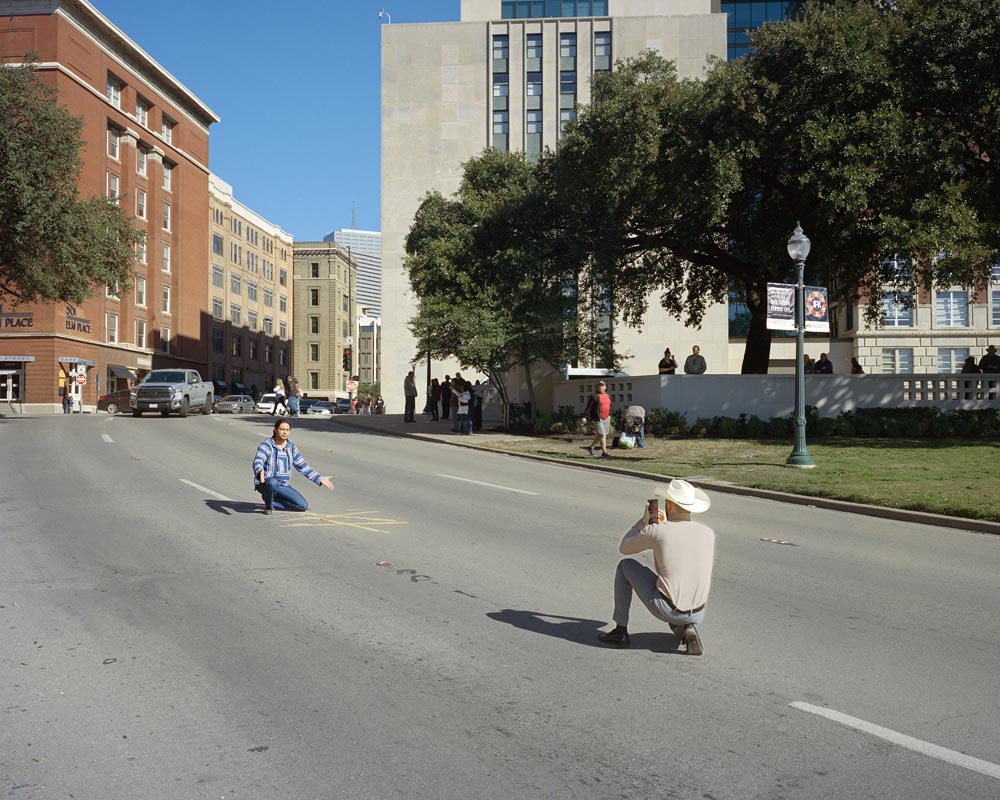
My current project is called Four Days In November, which is a photographic meditation on the JFK assassination and the way it continues to grip the collective American consciousness. It will be self-published as an artist’s book early in 2026. I’ve always been fascinated by the JFK assassination and the conspiracy theories around it. I had passed through Dallas several times before and visited some of the sites, and it had been in the back of my mind for a while that it might be an interesting basis for a project.
Then in 2023, I realized it was going to be the 60th anniversary, and I decided to go down to Dallas specifically to make work. I ended up meeting a bunch of other assassination researchers and enthusiasts, and photographing both the public events occurring that week and at many of the locations tied to the assassination. It was a break from another long-term project I’d been working on, and an opportunity to make work in a relaxed way, without too many expectations.
A few months ago I realized it might be worth putting it together into a publication. Especially in our current moment in the US of rampant conspiracy theories and increasing political violence, the subject matter seemed more relevant than ever. I started working with a talented photographer and designer, Trey Millward, who not only did the design, but helped me take an axe to the work, really deconstructing it and making more adventurous choices with the photographs and sequence than I would have done otherwise. I also had the opportunity to incorporate previously unpublished photographs from the archive of the Sixth Floor Museum in Dallas, which opened up an interesting dialogue with my own pictures.
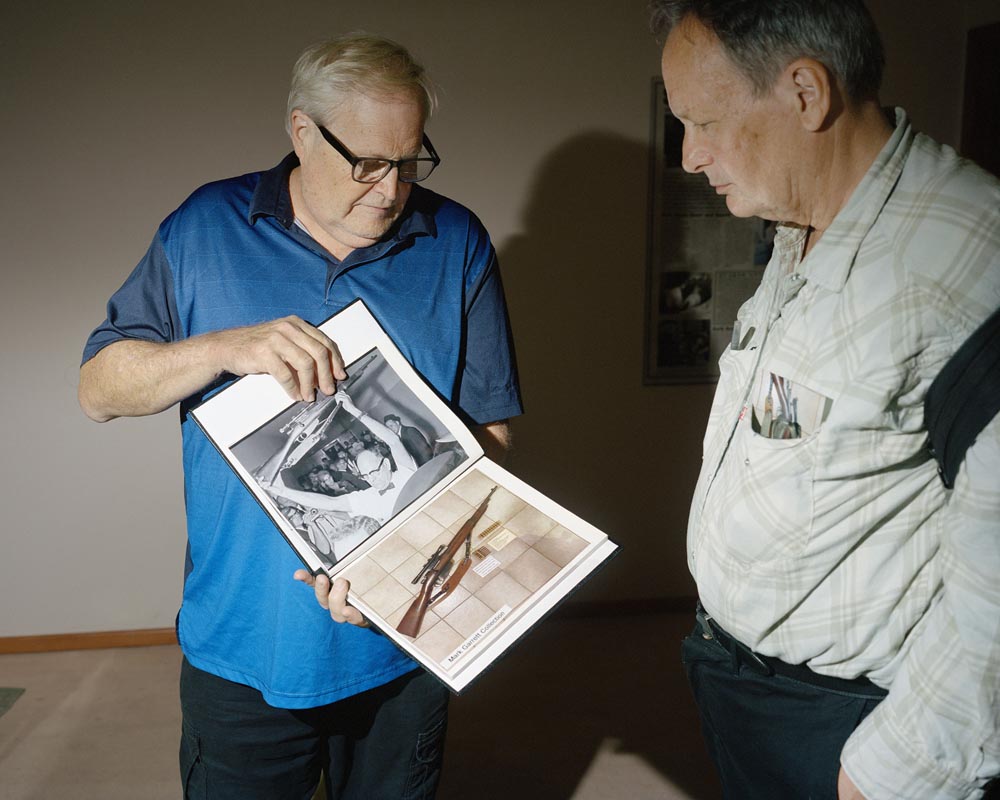
From the series, Four Days In November
Innovation does not only happen in the field of technology — it occurs everyday in a creative practice. What do you do for inspiration?
I don't really think about my work in terms of innovation, as much as continuing in a tradition or lineage and moving it forward. My main inspiration continues to be the work of other photographers. I arrived at my own practice as a lover of the medium first. So looking at work, especially in the form of photobooks, has always been the biggest thing that inspires me.
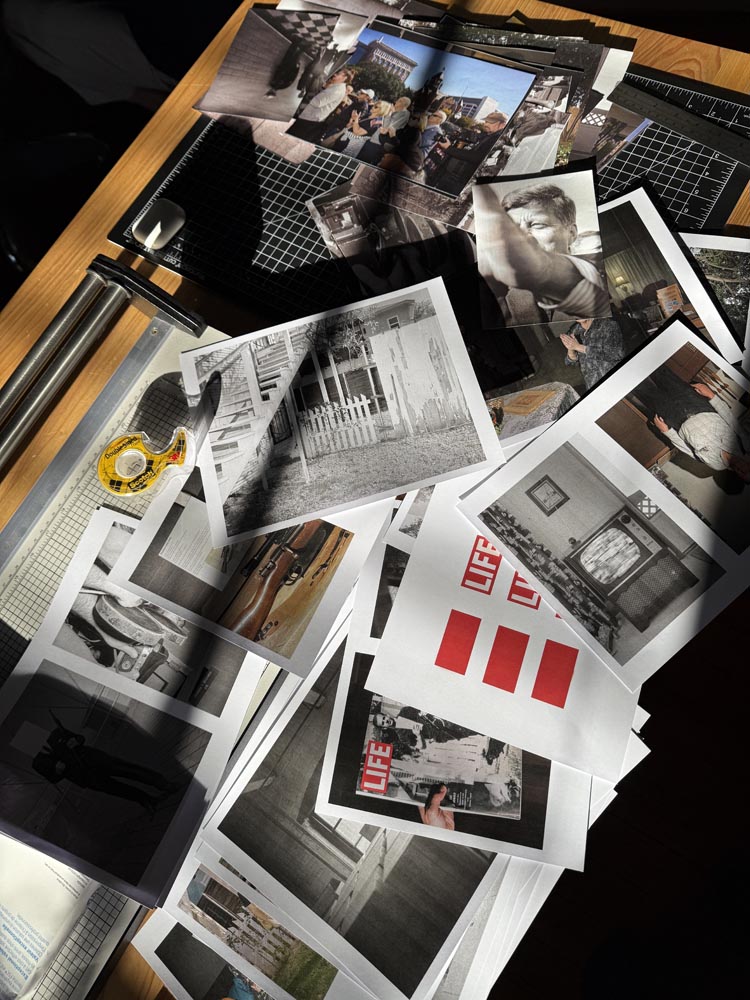
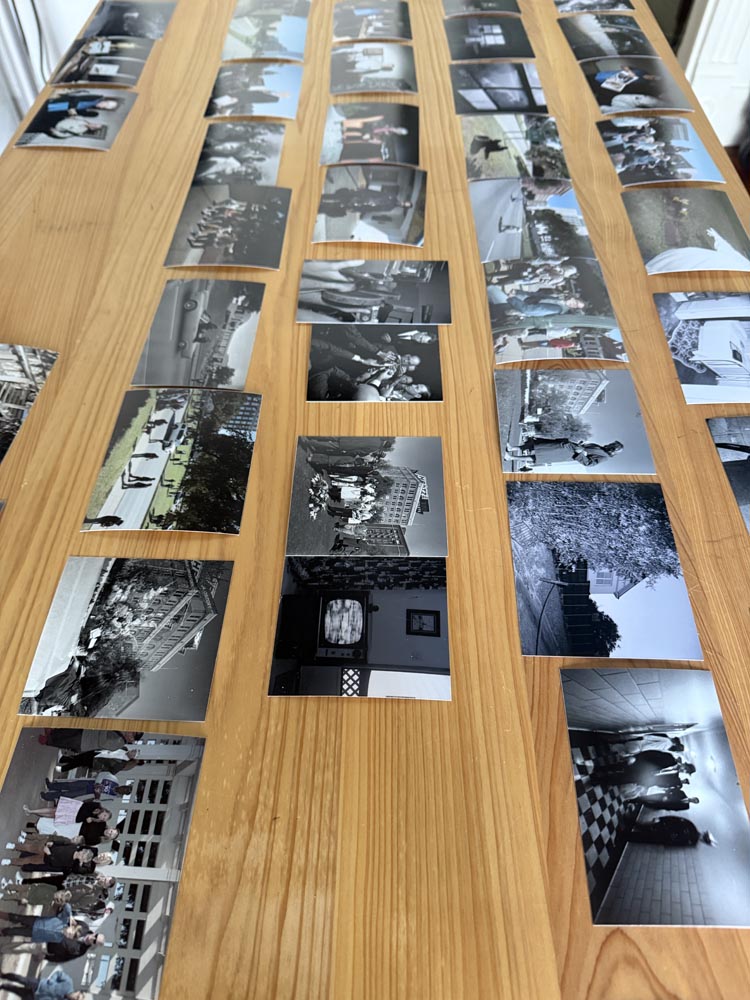
Left: Studio view working on a maquette for Four Days In November Right: Sequencing prints for Four Days In November
Describe your practice and process. Where do ideas start for you? In the studio or being in the world?
Generally for me, ideas begin in the field. Since I’m primarily making pictures out in the real world, based on chance encounters, the work has to begin with going out and making pictures – even if I’m not sure what I’m doing. I like to have some basic idea for the subject matter I’m dealing with; I think some constraint or framework is important. But beyond that, the pictures lead me. I make the work first and then figure out what it’s about.
However, the current project ended up emphasizing my studio practice as well; I already had the work, but ended up spending a ton of time in the studio figuring out how to shape it, and what it could become in a physical form. It’s the first time I’ve spent that much time and energy on the editing, sequencing, and bookmaking aspect of photography – sitting in my studio with scissors and glue sticks, making maquette after maquette, and really trying to dial in what to do with the raw material of the pictures.
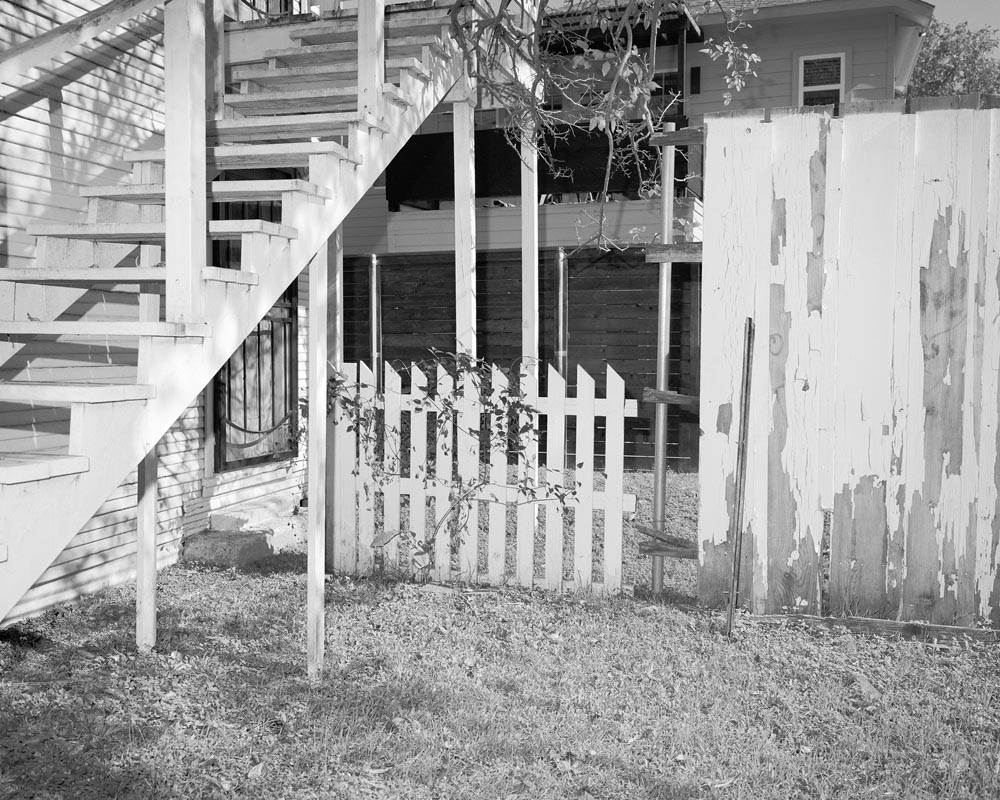
From the series, Four Days In November
Who are your biggest influences?
There are too many to name here, but just a handful off the top of my head: William Eggleston, Mark Steinmetz, Irina Rozovsky, Garry Winogrand, Paul Graham, John Divola, Curran Hatleberg, and Diane Arbus. Outside of photography the first names that come to mind are Ed Ruscha, Denise Scott Brown and Robert Venturi, Bob Dylan, Herbie Hancock, and Stanley Kubrick.
Are there books or films that are an important source of inspiration?
Cinema has always been an influence for me, but recently with the Four Days In November project, I found myself particularly inspired by several 70’s New Hollywood paranoid thrillers, especially Brian De Palma’s Blow Out (1981) and Alan J. Pakula’s The Parallax View (1974). Both happen to deal with photography explicitly, but they also both show how to unfold a complex, fragmented narrative in a way that really influenced my editing and sequencing choices. I’m also currently reading Libra by Don DeLillo, a fictionalized account of the assassination and the life of Lee Harvey Oswald, again guiding me about how to approach this subject matter in a more subtle and layered way.
How will Innovate Grant contribute to your practice?
More than anything, I’m just extremely grateful! Looking at the list of prior grant recpients and honorable mentions, I'm honored to be included among so many wonderful artists. Getting any recognition like this is validating, and it’ll inspire me to keep pushing my work forward. Of course, funding is always helpful, especially on the cusp of a new book project; making work and putting it out in the world is expensive and any support is welcome.
From the series, Four Days In November
What is the best piece of advice you’ve been given?
“The pictures are smarter than we are,” which I’ve probably been told by several people, but I specifically remember as advice from my friend Matt Eich who has been a great mentor. Meaning, you can’t solve an artistic problem in your head. You have to make work – and lots of it - and then look at that work to guide you forward. The photographs will tell you what your interests are, and what you’re seeking. And a related piece of advice I kept getting in grad school: to read my work more closely. You have to actually look at the pictures you’re making, and truly read them for what they are, and what they're saying – not for what you hope or want them to say. If you get to know what’s in the work you’ve made, it will tell you where to go from there.
From the series, Four Days In November
Stay up to date with Sebastian Siadecki
Website sebastiansiadecki.com
Instagram @sebs26
Youtube youtube.com/@sebs26