Artist based in Los Angeles, CA
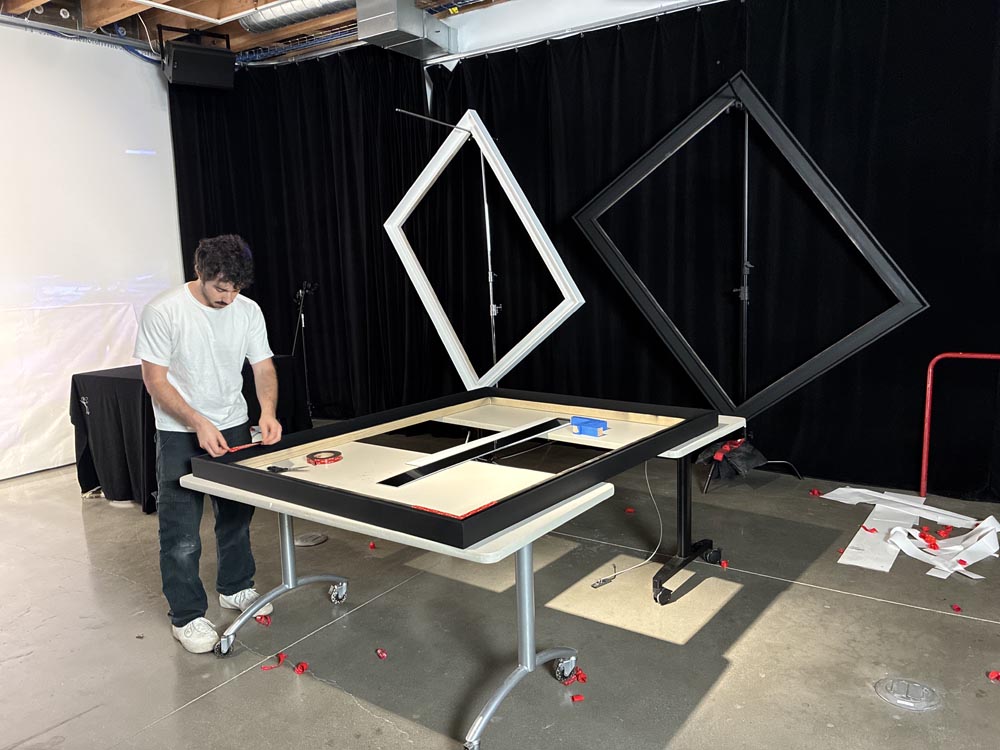
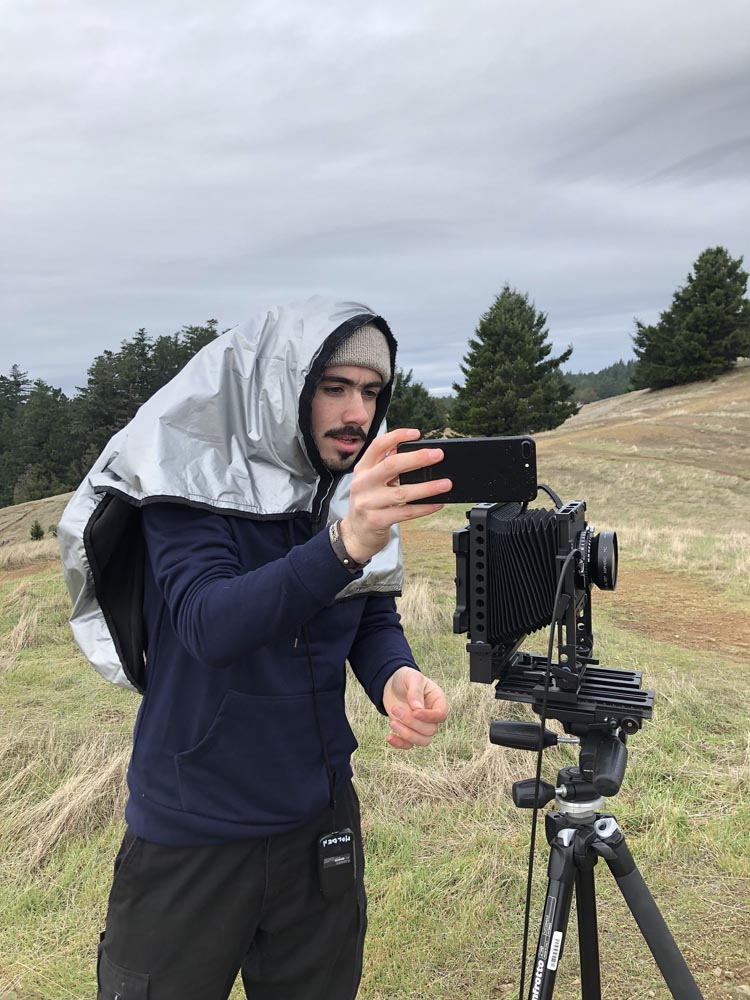
Keegan Holden, portrait of the artist
Tell us about yourself, what's your background?
I grew up in the Pacific Northwest and moved to Los Angeles when I was in high school. I intuitively gravitated towards art from an early age, but I didn't really have a frame of reference as to what it meant to be an Artist. It wasn't until moving to California and visiting LACMA for the first time that I encountered photography as art. It was Larry Sultan's retrospective that did it to me - particularly the projects Pictures From Home and Evidence. I had always enjoyed photography as a hobby but didn't realize that it could look like that. This was the moment when things started to shift for me. I began to visualize the future I wanted for my life, and started looking for a path to pursue life as an Artist.
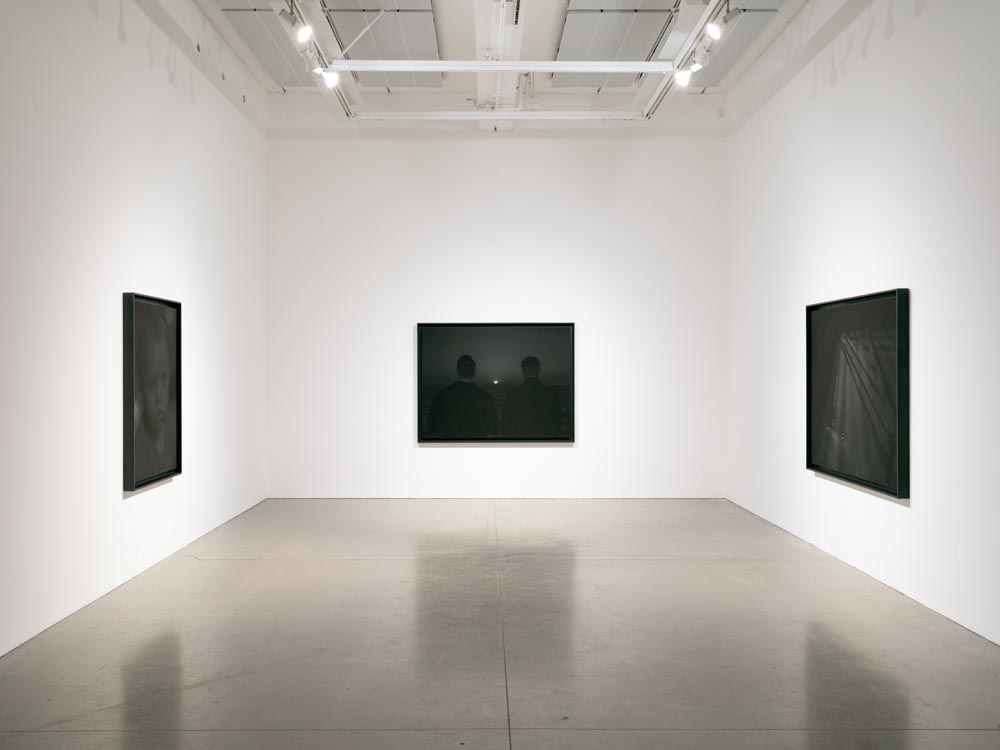
Installation view, Meridian: Untitled (Grays II), Untitled (Grays), Untitled (101), 2026. Pigment prints mounted to aluminum, artist frames. Variable sizes
I grew up working class, so I knew I needed to find a way to sustain myself if I wanted to be an Artist. Living in LA, I saw the film industry as a viable option to fulfill creative desires while also being able to pay the bills. I ended up getting a scholarship to Bard College to study film, but I switched my major to photography after taking a class with Tim Davis. I began to understand what it meant to have a photo practice, and I saw a different path I could take to sustain my life as an Artist. My mentors at Bard completely changed the trajectory of my life, and I am forever grateful for their guidance and support during that time.
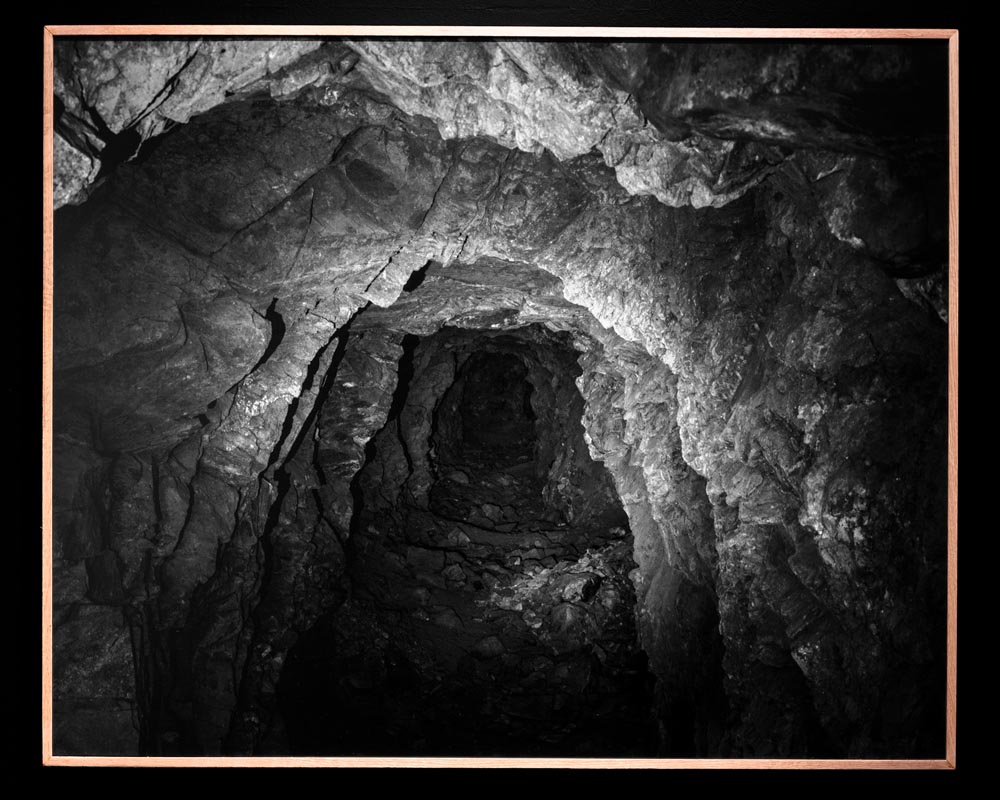
Cochlear, 2025. Pigment print mounted to aluminum, artist frame. 30 x 40"
“I use photography to describe, in form, the emotional experience of observing all that surrounds me. My primary concern is to remain faithful to these sensations, even if that means distancing the image from the context of its creation. When you look at one of my pieces, you don’t always see a recognizable world looking back at you. ”
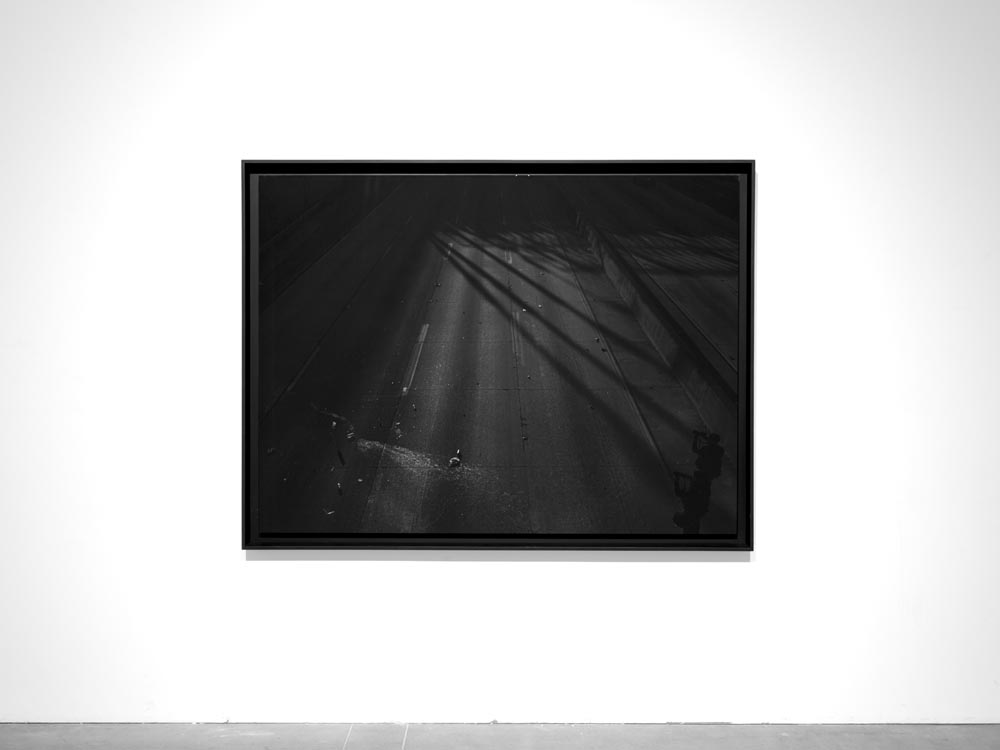
Installation view, Meridian: Untitled (101), 2026. Pigment print mounted to aluminum, artist frame. 55 x 72"
What are you currently working on and where did the inspiration for it come from?
My photo practice shifts between relational fieldwork and studio intervention. I am currently making photographs along California’s San Andreas Fault, a 1300km tectonic seam where the North American and Pacific plates meet. As pressure builds between these landmasses, one thing is certain: things will slip. We just don’t know when.
I’m interested in this promise of an inevitable yet unpredictable future catastrophe. To me, it carries an emotional undertone reminiscent of what it feels like to be an American citizen. As I travel the length of the fault, from the Salton Sea to the Mendocino Triple Junction, I look for other kinds of fault lines at play in the landscape. I find rifts and ridges of class, identity, memory, and history. I feel the tremors beneath my feet.
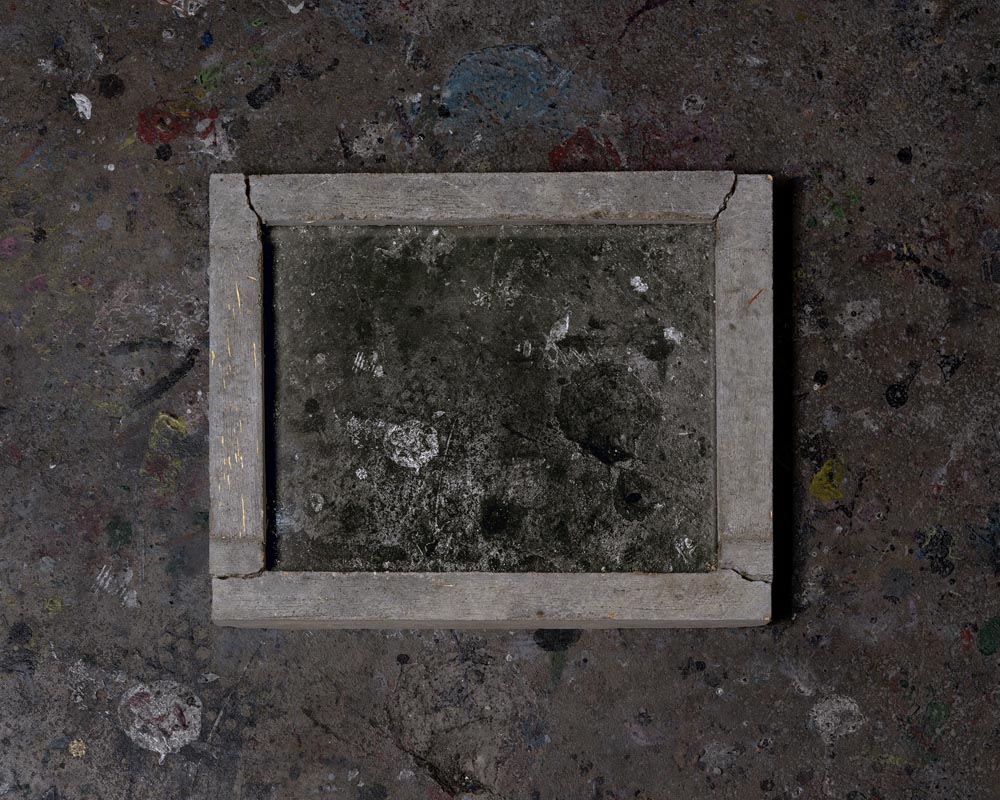
Untitled (Studio Floor), 2024. 8x10 contact print, concrete, glass. 10 x 12"
This work stems from a decade working in a quasi-documentary tradition, interested both in the photograph as visual record and the photograph as construct, aesthetic object, surface, and pigment. The exploratory fieldwork is an observational and intuitive process, whereas the studio intervention is analytically interpretive.
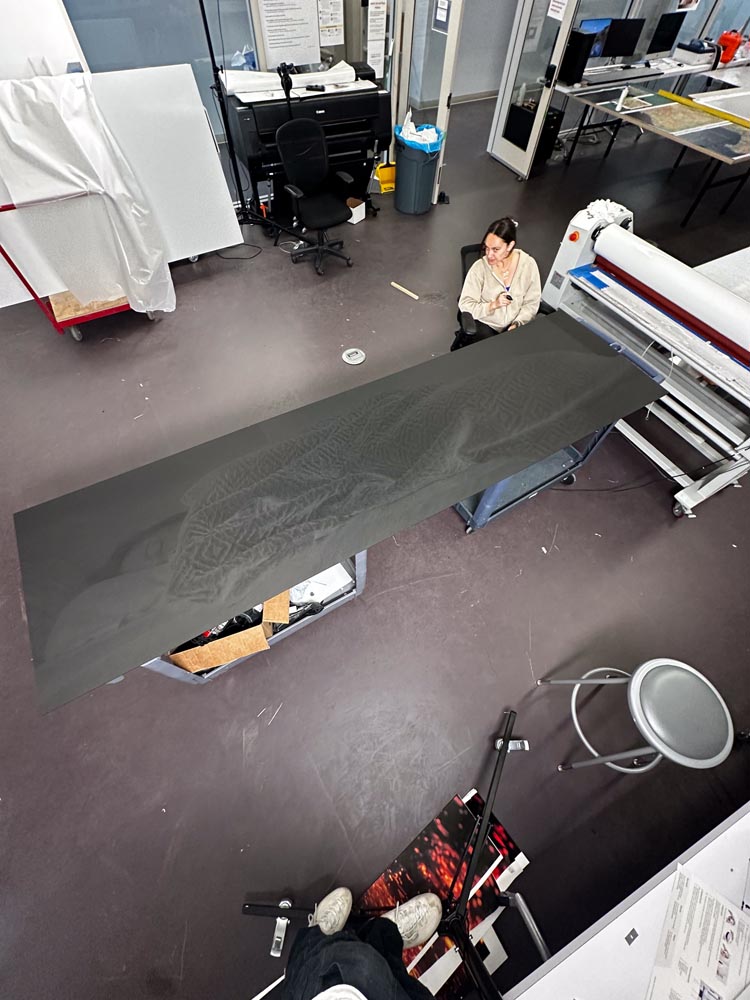
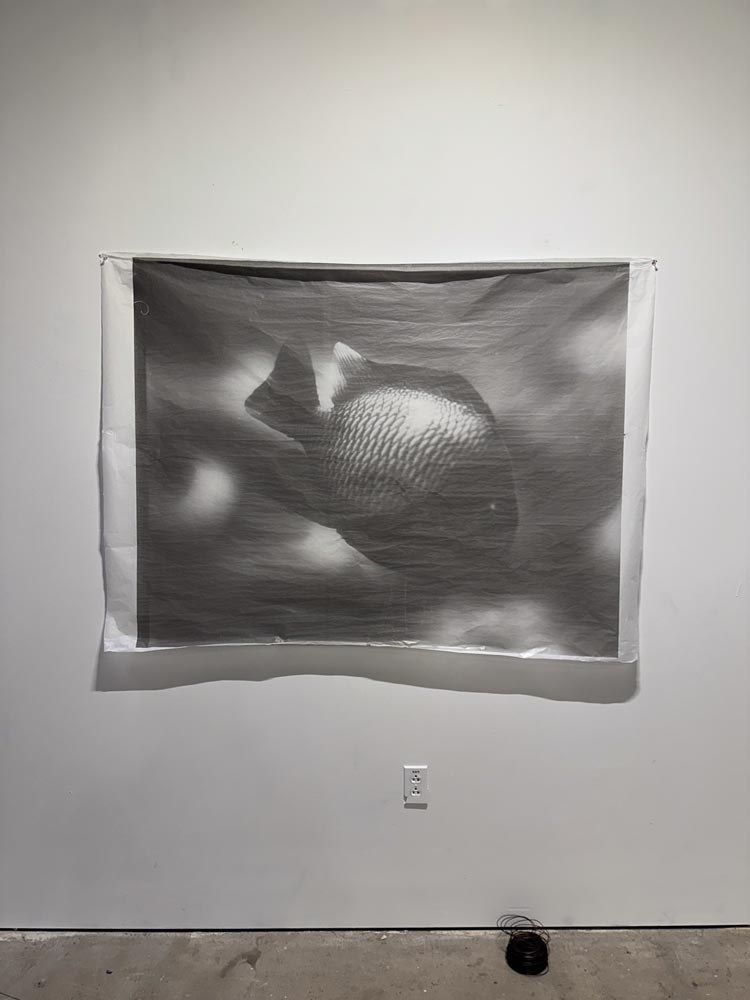
Left: Mounting 10 foot print to aluminum. Right: Fishy (pigment print on glassine)
The printing process matters to me as much as the content of the image. I print, mount, and frame each piece myself, working with scale, opacity, and inversion so that my viewers see the photograph as an object in space rather than as an illusory window. I want the perceptual experience to be understood as something not only seen by the eye, but also felt in the body.
Ultimately, I use photography to describe, in form, the emotional experience of observing all that surrounds me. My primary concern is to remain faithful to these sensations, even if that means distancing the image from the context of its creation. When you look at one of my pieces, you don’t always see a recognizable world looking back at you. My hope is that despite this, it somehow feels familiar.
My work on the San Andreas Fault is ongoing.
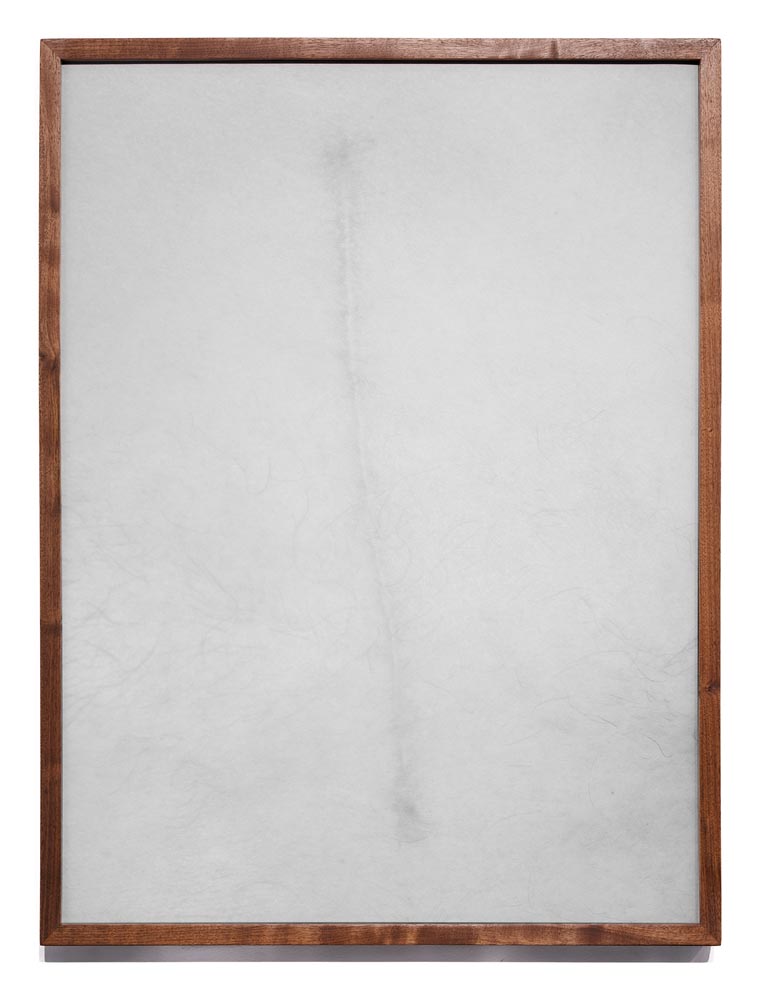
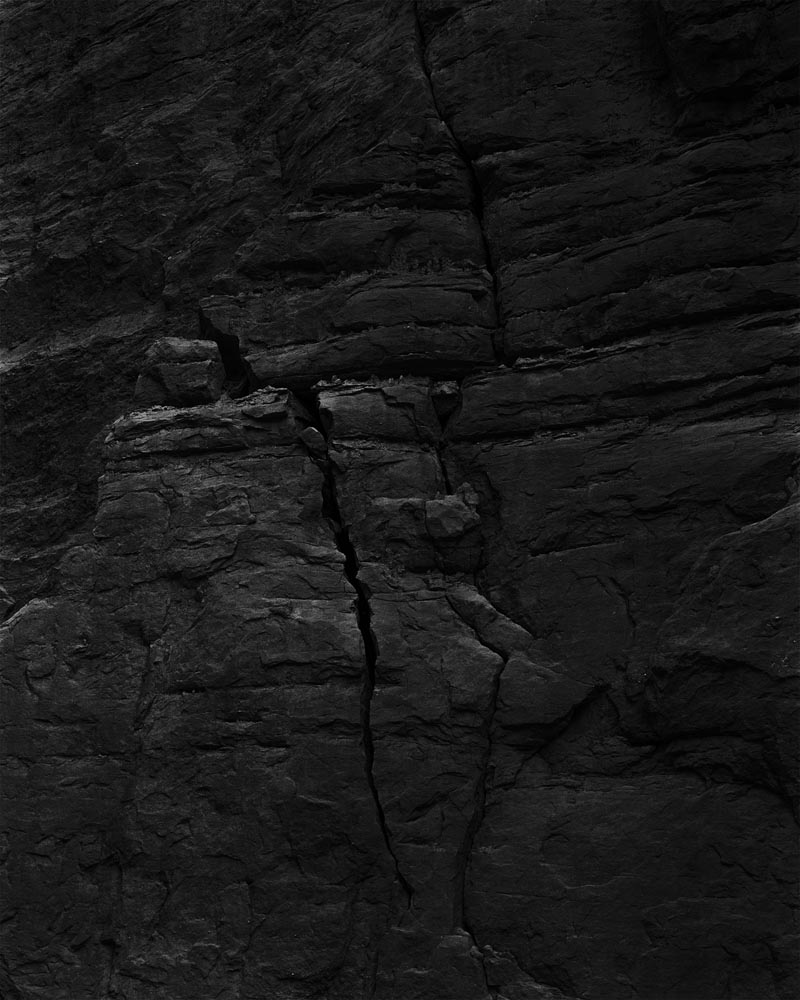
Left: Scar (father), 2026. Pigment print mounted to aluminum, artist frame. 32.5 x 22" Right: Fissure, 2024. Digitized 4x5 black and white negative.
Where do ideas start for you?
Ideas arrive through an interplay between the fieldwork and my studio practice. They are interdependent; any given experience of happenstance may lead me down an unexpected path of research or material exploration in the studio, which in turn influences what attracts my eye the next time I go out to make photographs, which may lead me to another rabbit hole of research, and so on.
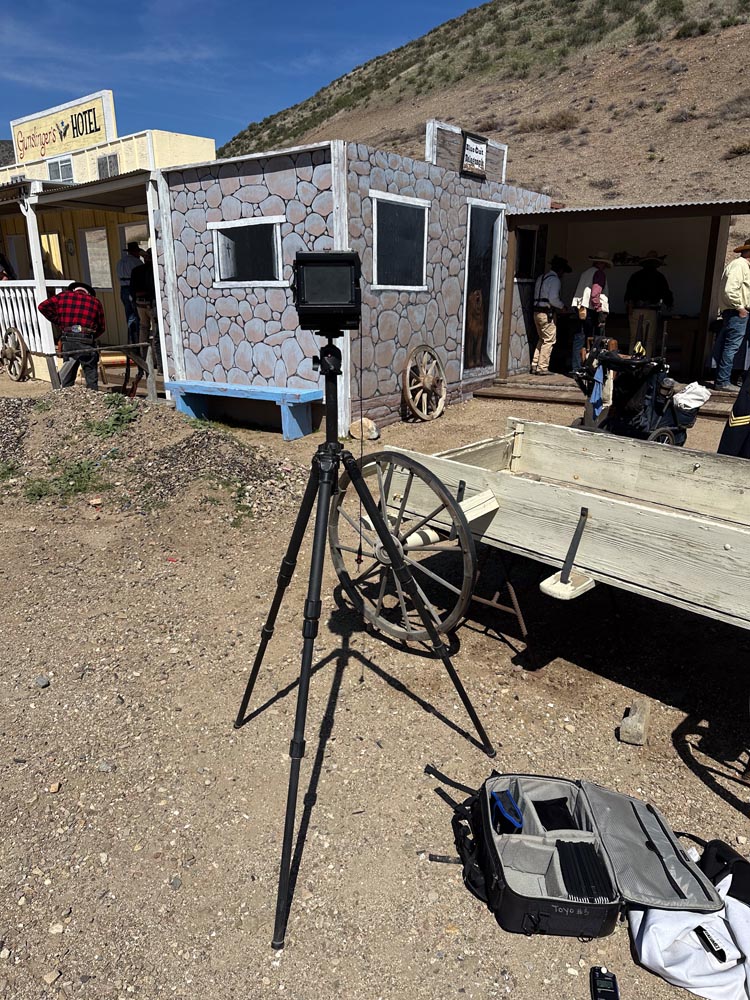
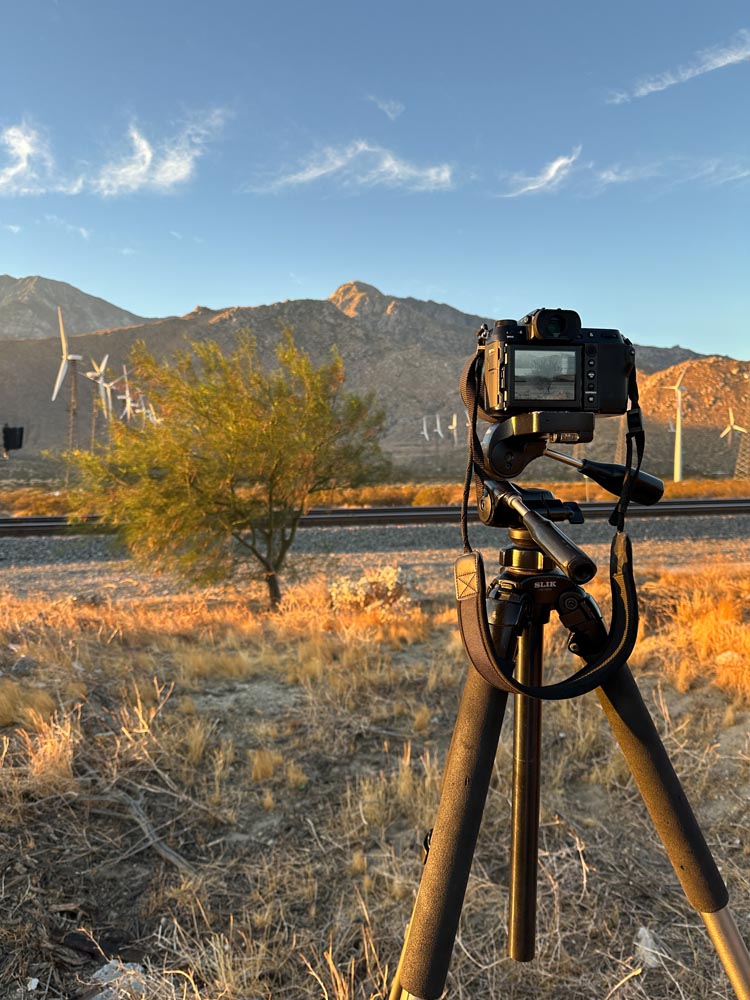
Left: Making of Cajón. Right: Digital fieldwork (Near the Salton Sea)
Who are your biggest influences?
Paul Celan, Antonio Gramsci, James Baldwin, Hilma Af Klint, Gerhard Richter, Werner Herzog, Gilles Peress, An-My Lẽ, Stephen Shore, Tim Davis, Judith Joy Ross
Are there books or films that are an important source of inspiration?
Evidence, by Larry Sultan and Mike Mandel
The 400 Blows by François Truffaut
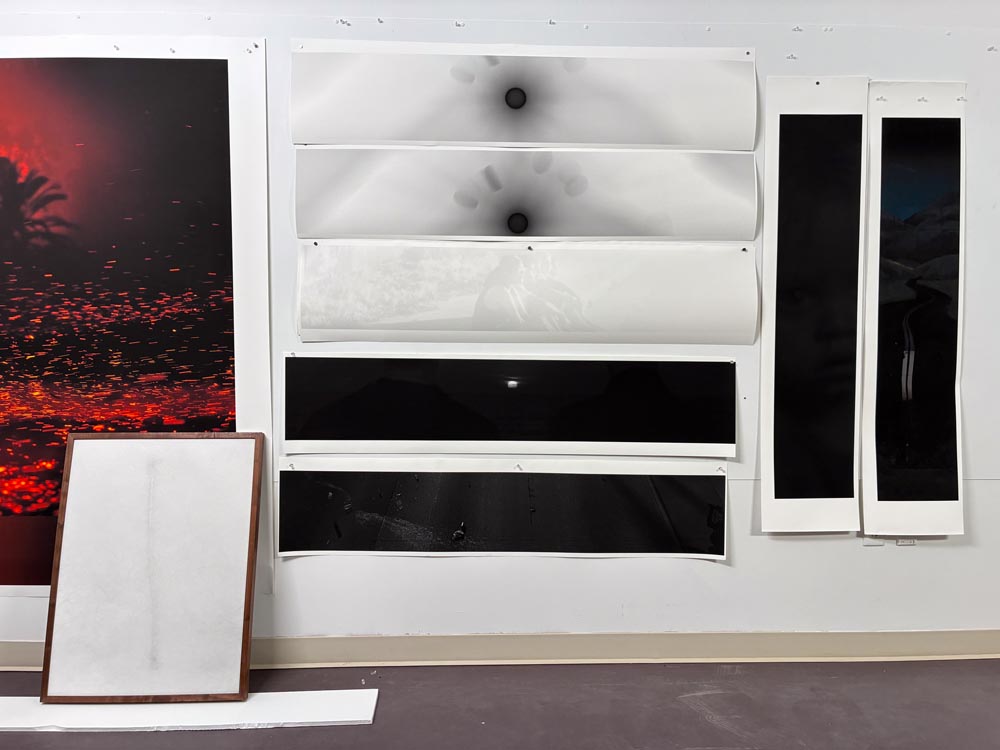
Test strips
What’s the best piece of advice you’ve been given?
Are there books or films that are an important source of inspiration?
What is the best advice you would give to other artists?
Keep your eyes open, you might feel something that you can't see.
Keegan Holden
Stay up to date with Keegan Holden
Website keeganholden.com
Instagram @keegan_holden