Photographer based in Paris, France
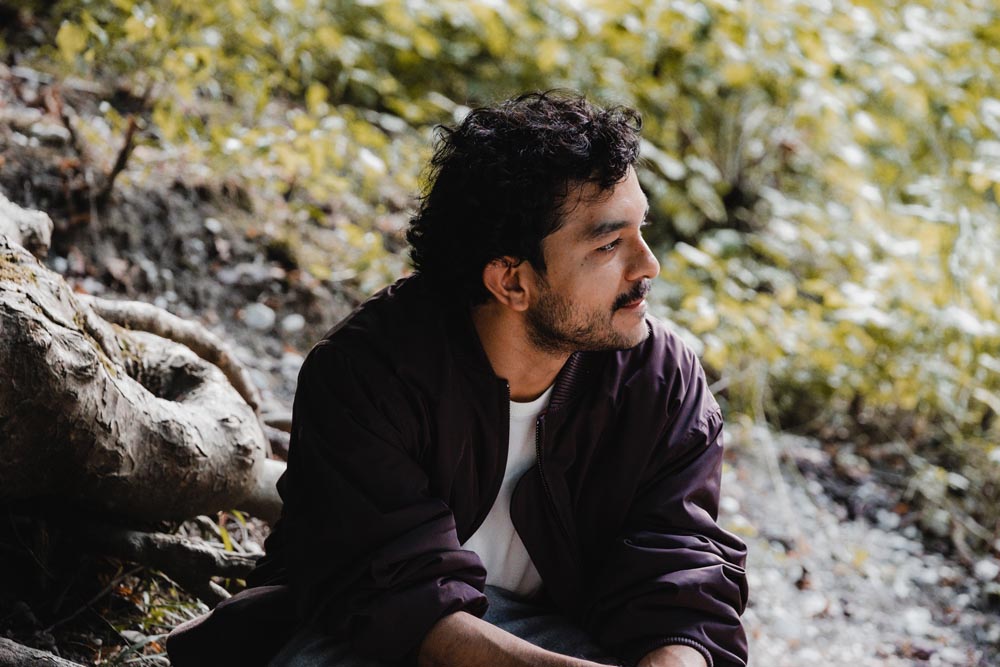
Joel Jimenez Jara, Portrait of the Photographer
Tell us about yourself, what's your background?
I’m a Costa Rican artist and filmmaker currently based between Spain and France. My background is in photography and cinematography, and I initially became interested in photography because of its ability to make me look at things that I would otherwise overlook. I studied photography in Costa Rica and later cinematography in Barcelona, and moving to Europe was an important turning point for me, both personally and artistically. A lot of my practice developed after leaving Costa Rica, as migration made me more aware of questions around memory, belonging, landscape, and what we carry with us when we move.
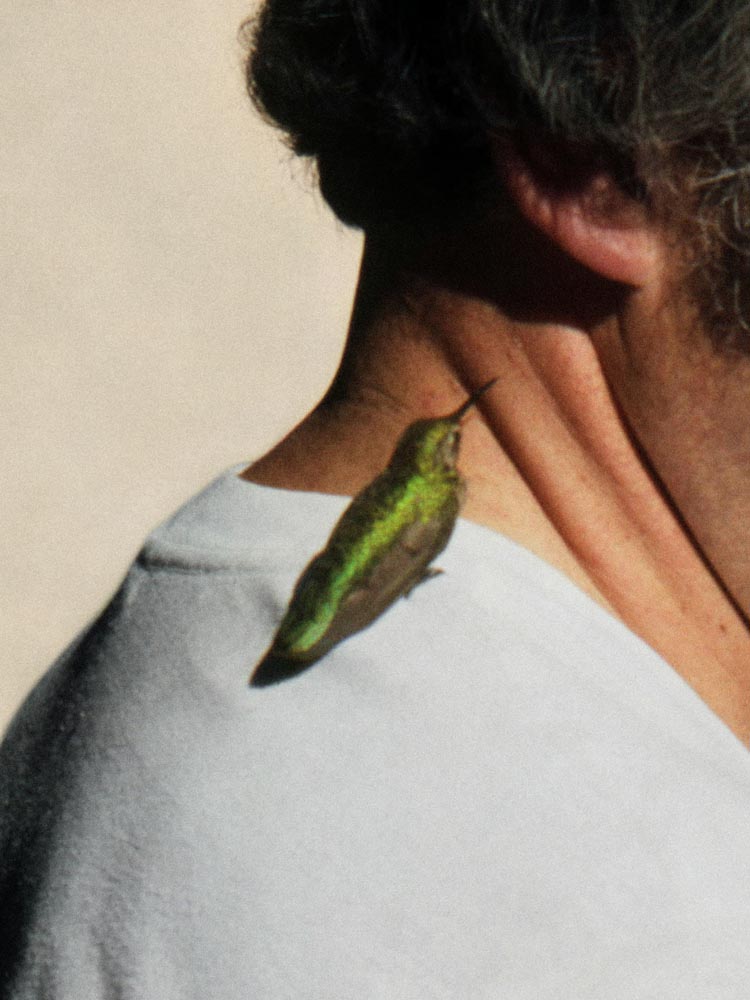
Glimmers, Feathers and Staring Skies, 2026. Archival Pigment Print, Dimensions Vary
I don’t think there was one specific moment when I decided I wanted to be an artist. It happened gradually, through realizing that making images was becoming a way of thinking rather than simply a profession. Over time, photography also started to feel too limited as a medium on its own, and I became interested in bringing together moving image, sound, sculpture, installation, archives, and found materials. I still think of myself as a photographer, but I’m increasingly interested in what photography can become when it enters into dialogue with other forms.
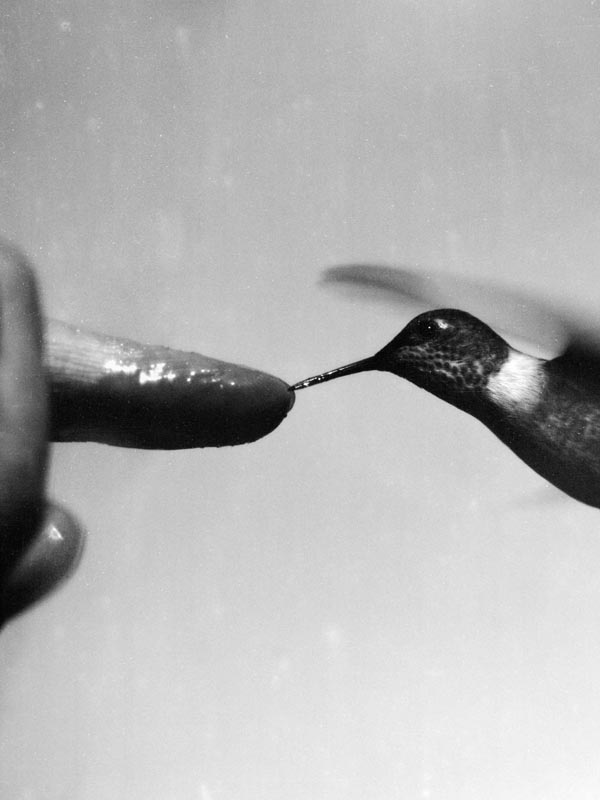
Glimmers, Feathers and Staring Skies, 2026. Archival Pigment Print, Dimensions Vary
“I’m particularly interested in the tension between scientific systems that classify and preserve nature and more spiritual or relational ways of understanding it. The work is still evolving.”
What are you currently working on and where did the inspiration for it come from?
I’m currently developing a project that began with the death of my father in Costa Rica while I was living in Europe. During the last part of his life, he gradually lost his ability to move and communicate, and at the same time I was experiencing the distance of migration in a very physical way. After he died, my mother began noticing a hummingbird returning to the flowers and feeder he had cared for. In Costa Rica, there are also Boruca beliefs around the hummingbird as a carrier of the soul of the dead. That coincidence became the starting point for thinking about grief, migration, memory, and the possibility of communication beyond language.
The project has gradually moved away from being a straightforward photographic series. I’m working with photographs, archival material, sound, video, sculpture, and scientific imagery, trying to create connections between different ways of understanding the hummingbird and the body. I’m particularly interested in the tension between scientific systems that classify and preserve nature and more spiritual or relational ways of understanding it. The work is still evolving, and I like that the research itself is changing the form of the project rather than the other way around.
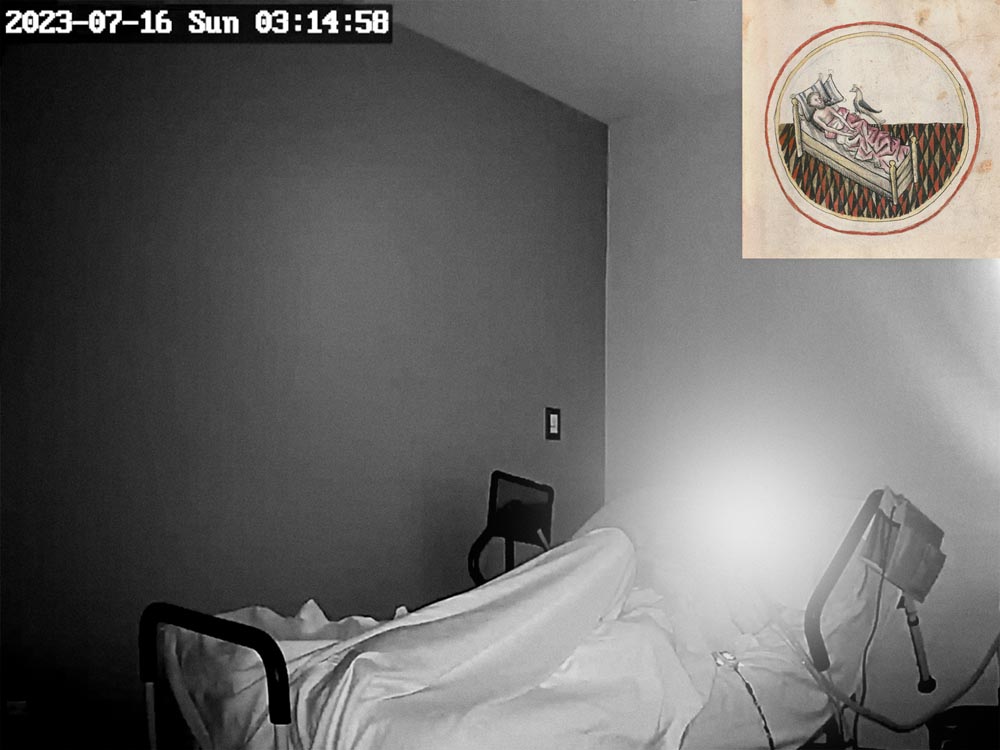
Glimmers, Feathers and Staring Skies, 2026. Archival Pigment Print, Dimensions Vary
Innovation does not only happen in the field of technology — it occurs everyday in a creative practice. What do you do for inspiration?
For me, inspiration usually comes from paying attention rather than actively looking for inspiration. I read a lot, visit exhibitions, go to archives and museums, walk, listen to things, and spend time in places without necessarily knowing what I’m looking for. I’m especially interested in the moments when different fields begin to overlap: art and science, personal memory and history, ecology and technology, or something very intimate alongside something much larger. Sometimes a book can completely change the way I look at an image, and sometimes it can be something as simple as a sound or an object I encounter while walking.
I also try to leave enough space for things to happen unexpectedly. I don’t want every element of a project to be decided beforehand. Research can lead me somewhere I wasn’t expecting, and I see that uncertainty as an important part of the creative process. For me, innovation is often less about inventing something completely new and more about creating unexpected relationships between things that already exist.
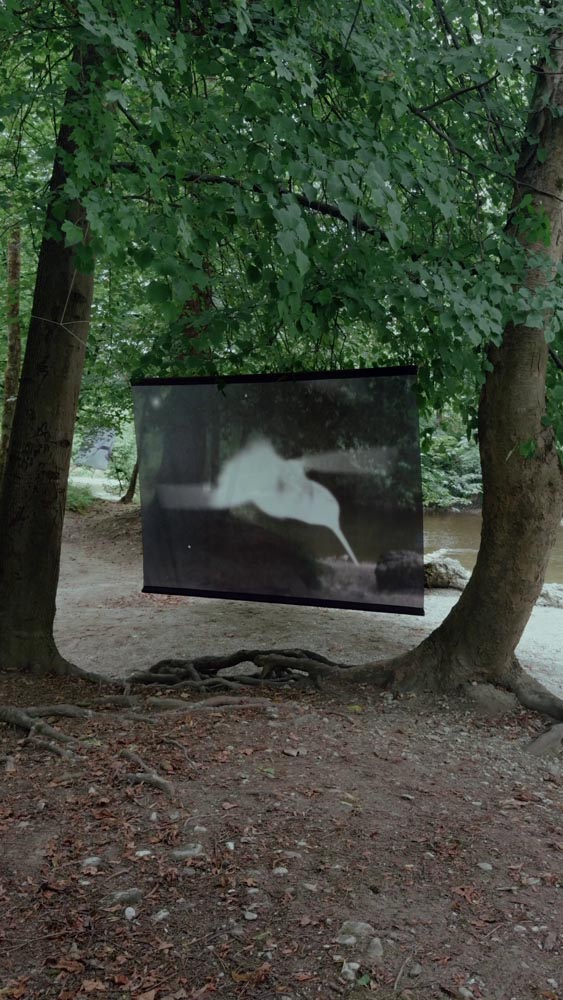
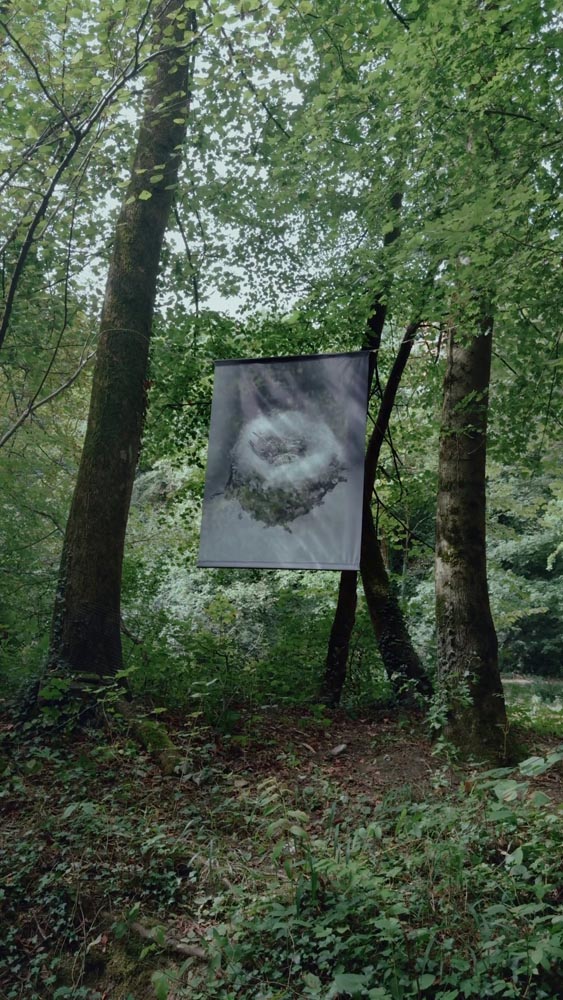
Kranj Photo Festival, Kokra Canyon and River, Kranj, Slovenia
Describe your practice and process. Where do ideas start for you? In the studio or being in the world?
My ideas usually begin somewhere between being in the world and being in the studio. Often something starts with an encounter: a place, an image, an object, a story, or a personal experience that I can’t stop thinking about. I then begin researching around it, reading, collecting images and archival material, making photographs, recording sounds, and following different connections. At that stage I’m not necessarily trying to understand exactly what the work will become. I’m more interested in building a field of possibilities.
The studio is where those things begin to come together and where I can see relationships that weren’t visible before. I think of my process a little bit like archaeology and cartography at the same time. I’m digging through layers of material, memory, and history, while also gradually drawing a map of where the research is taking me. The final work often emerges through that process of bringing different materials into conversation rather than starting with a fixed image or concept and simply illustrating it.
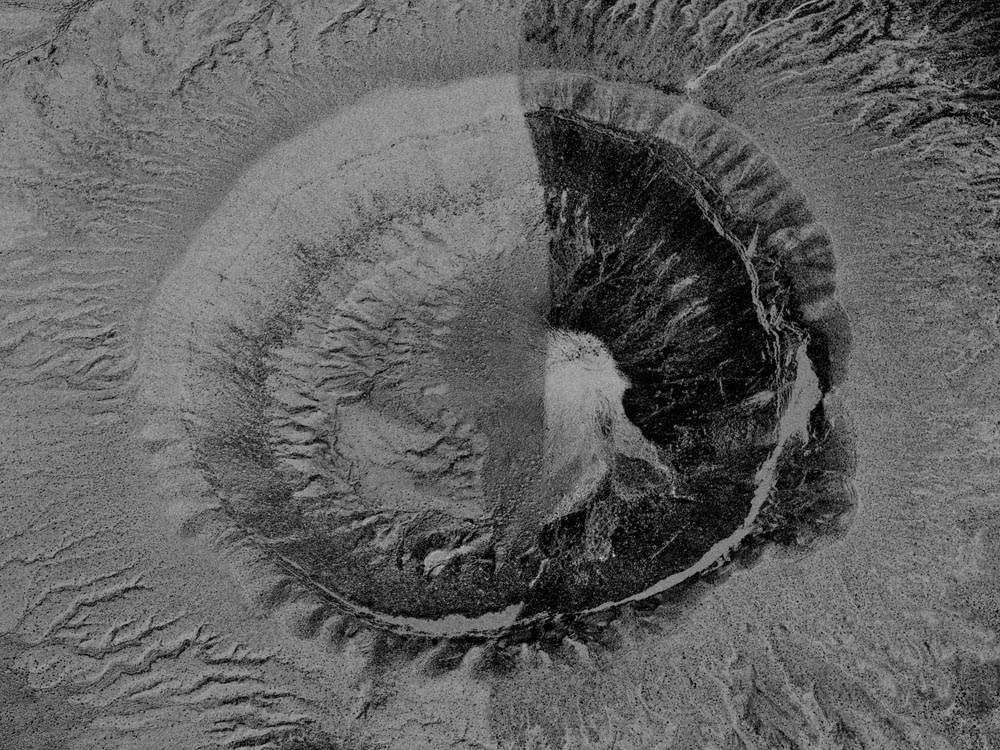
The Nest, 2026.
How do you make your work, does it start with a sketch?
My work rarely starts with a sketch in the traditional sense. It usually starts with notes, fragments, photographs, references, questions, or materials that I begin collecting. I make a lot of photographs and recordings during the research process, but I also work with existing images, archives, scientific documents, texts, and objects. Once I have enough material, I start experimenting with how these things can coexist. Sometimes I make very rough mock-ups or installations to understand scale, rhythm, sound, or how an image behaves in space.
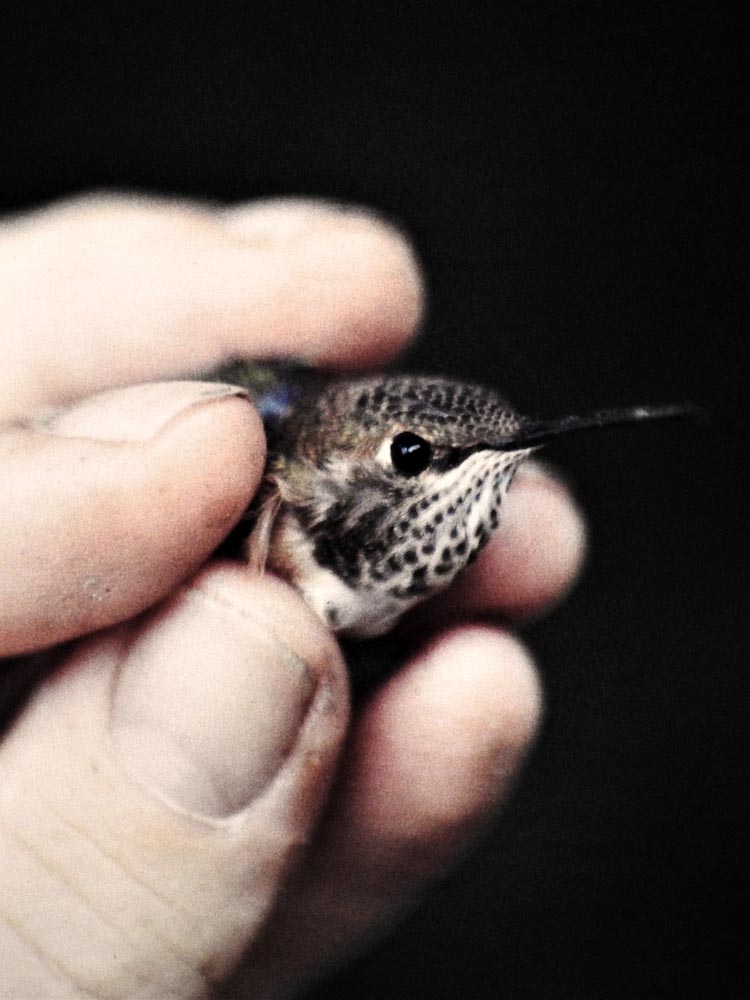
Hold, 2025.
I don’t really think of my style as something I consciously chose. It developed gradually as I became more interested in the space between photography and other forms. I’m drawn to images that feel slightly ambiguous and leave room for associations, and I’m interested in the physical life of an image: what it is printed on, how it is displayed, what surrounds it, and what happens when sound or an object enters the same space. More recently, I’ve been trying to move beyond photography as a flat surface and think of the image as something that can become spatial, material, and even sculptural.
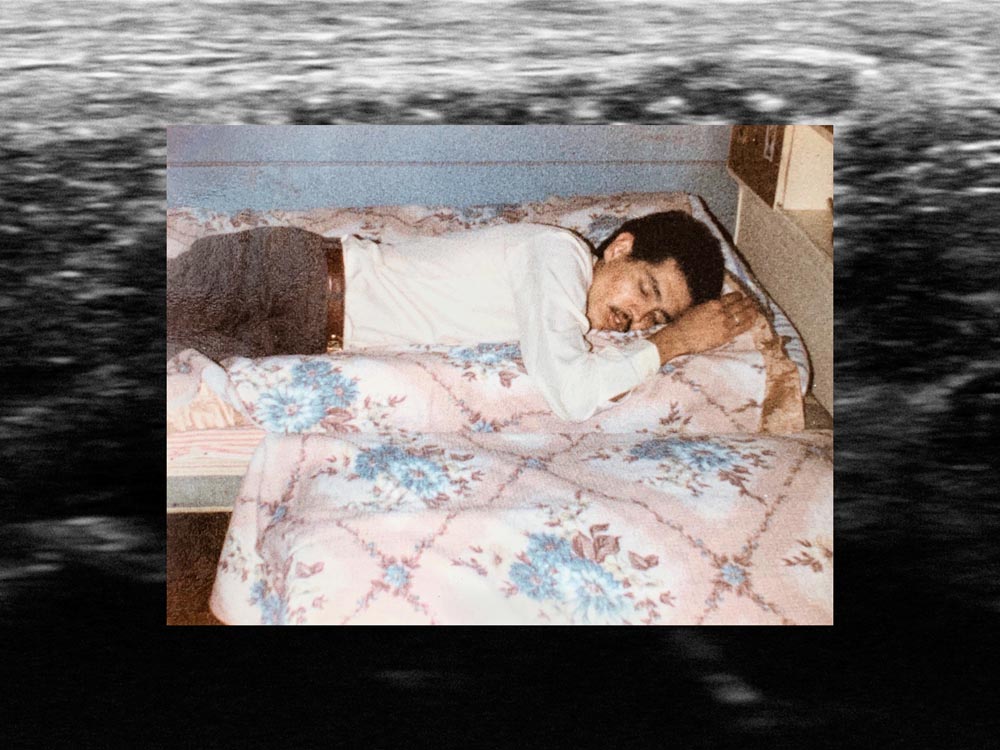
The Dreamer, 2025.
Who are your biggest influences?
Aby Warburg, Chantal Akerman, Abbas Kiarostami, Apichatpong Weerasethakul, Andrei Tarkovsky
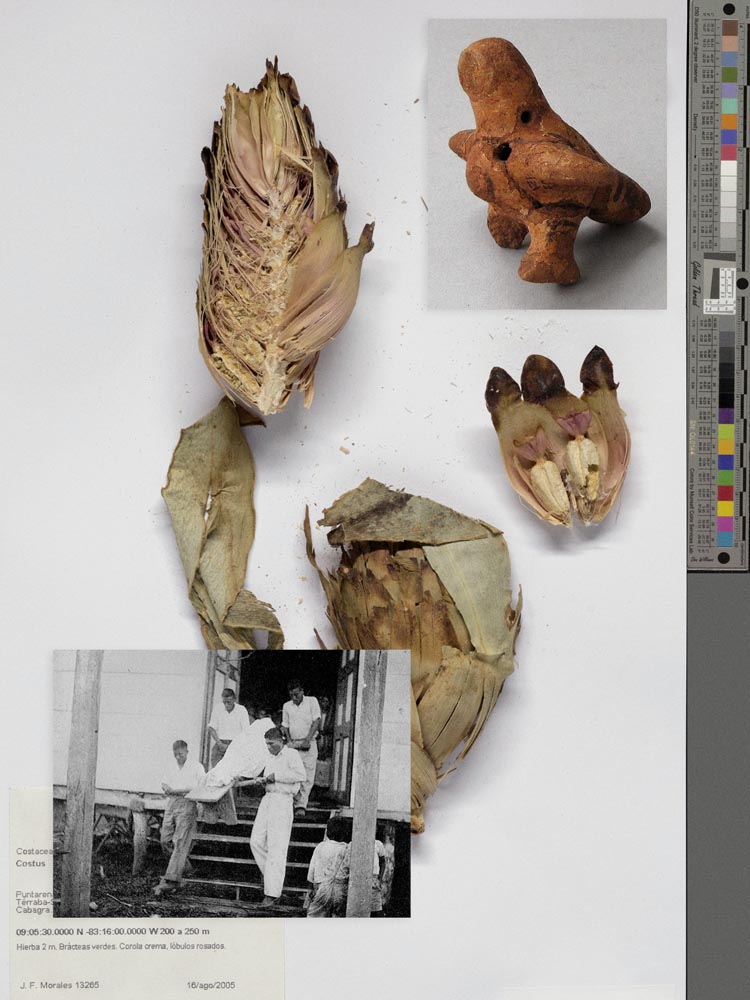
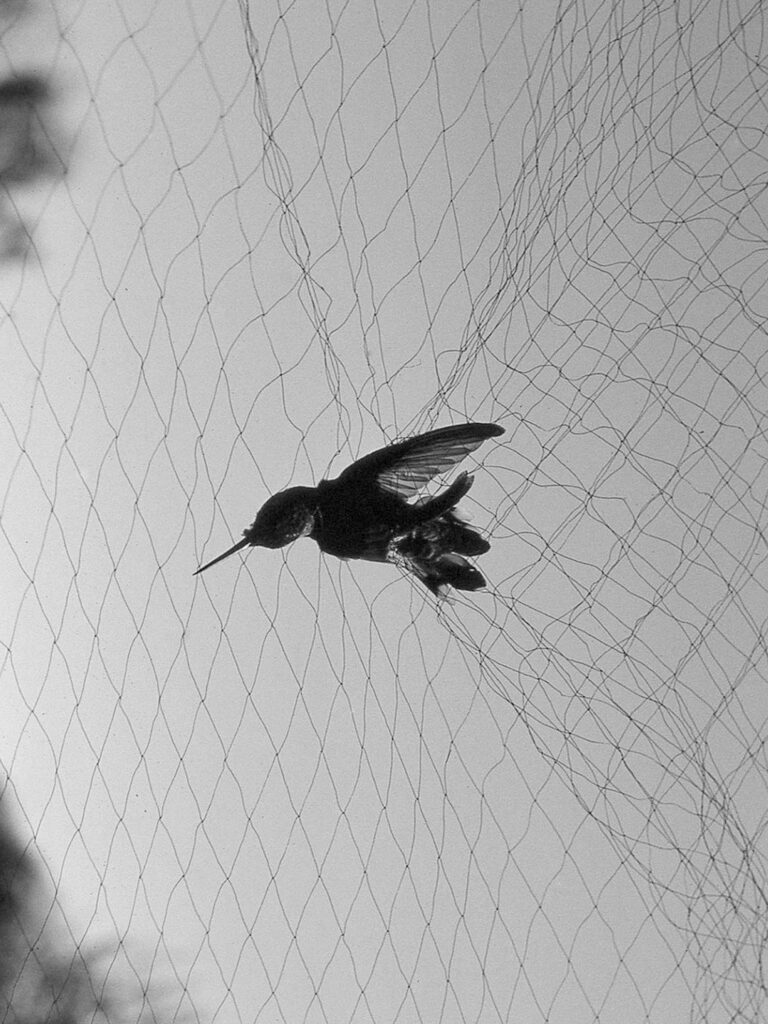
Left: Glimmers, Feathers and Staring Skies, 2026. Archival Pigment Print, Dimensions Vary; Right: The Threshold, 2026
Are there books or films that are an important source of inspiration?
Right now because of my research, I am particularly interested in birds. Book would be "With a Bird, A Reader on Avian Kinship" edited by Marjolein van der Loo , and movie is "The Metamorphosis of Birds" by Catarina Vasconcelos.
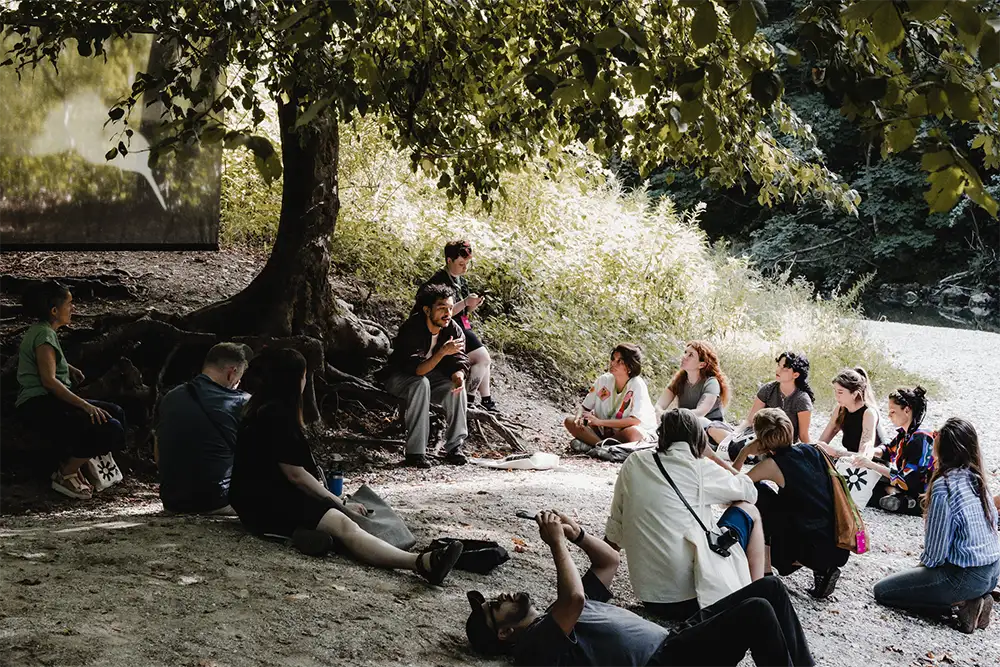
Portrait of the photographer
What is the best piece of advice you’ve been given?
To have a community that understands the high and lows of creative work. Photography can be a very solitary practice and being surrounded by like minded people that share parts of the process allowed me to ground myself outside my own projects.
What is the best advice you would give to other artists?
Never stop asking questions about the work you're doing.
Stay up to date with Joel Jimenez Jara
Instagram @joelr.jj