Artist based in Claremont, CA
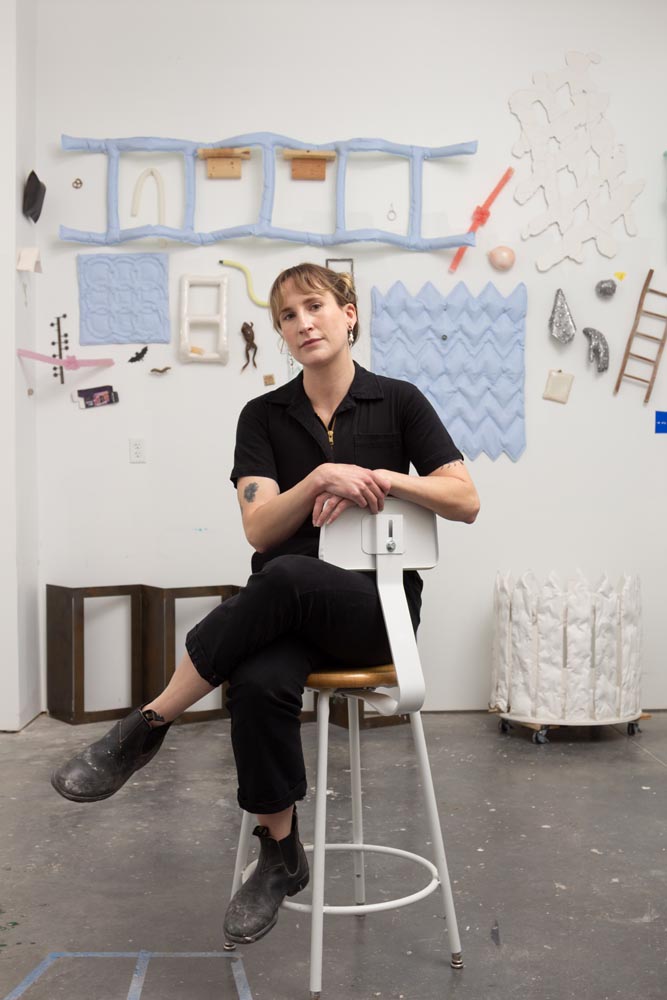
Portrait of the artist
Tell us about yourself, what's your background?
I grew up in Treaty 7 territory in Alberta, Canada, and I knew I wanted to be an artist when I was very young. I came up in the ceramics community, and I always tell people that pots were my first love. When I was around ten years old, I took my first throwing class at a community arts center in Calgary, and I pretty much never looked back. Working with clay has always felt like a give-and-take - like being in a relationship with material, or engaging in a neverending conversation. My practice now incorporates so many different processes and materials, but clay is the one I'll always return to.
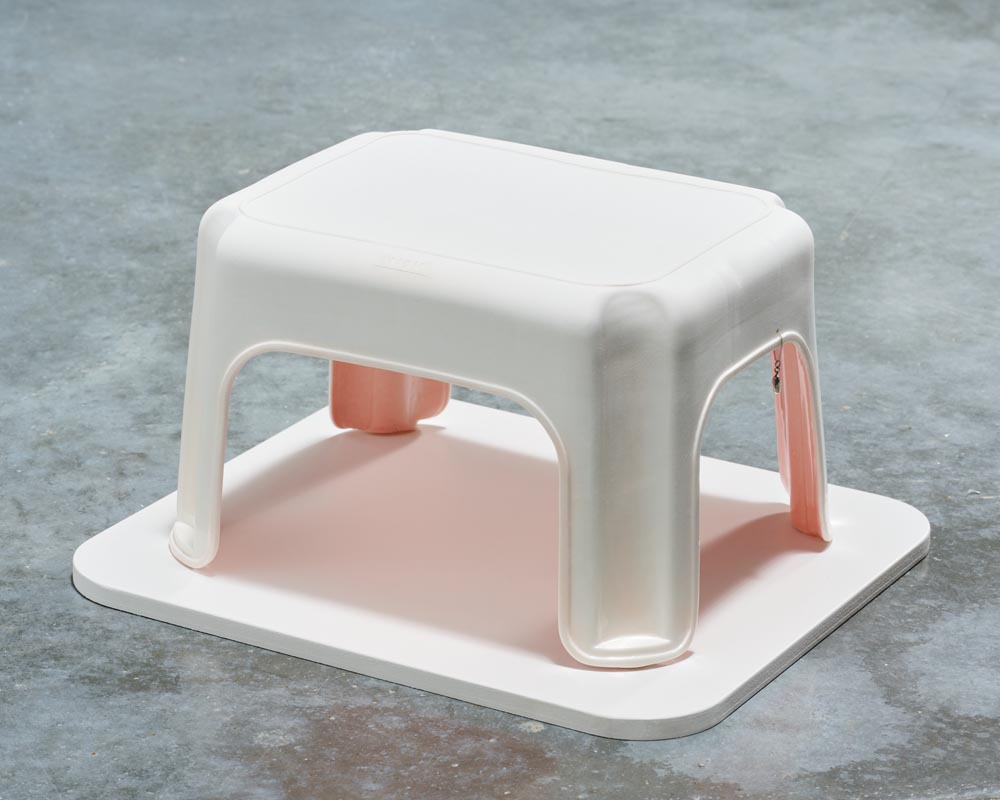
Self-Portrait as a Step Stool 2023. Porcelain, glaze, silver necklace. 8” h x 13” l 10.5” d. Photo credit: Forrest Frederick
“I'm interested in how, in still-life, depictions of inanimate objects have historically been able to highlight societal values and symbols of impermanence, wealth, and success. By using that rhetoric . . . I'm interested in highlighting the things that contemporary society finds value in.”
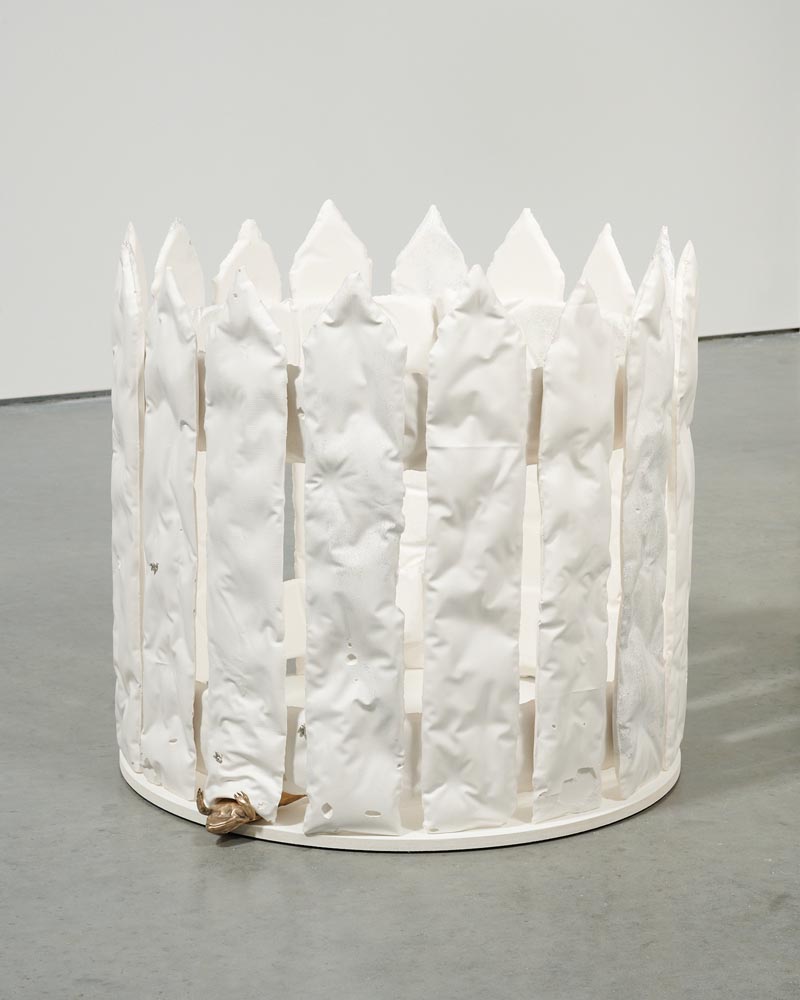
One-Person Picket Fence 2023. Plaster, glitter, bronze, stainless steel. 26”h x 24”l x 24”d. Photo credit: Forrest Frederick
What are you currently working on and where did the inspiration for it come from?
Right now I'm making a new series of sculptures that are the product of a longstanding obsession with still life paintings. I'm creating these sculptural wall-hanging tableaux that hold multiple cast objects. Depending on the work, the pieces incorporate materials like porcelain, plastic, metals, and sometimes found and altered objects. The series focuses on marketing schemes aimed at women, with each still-life referencing a different scheme.
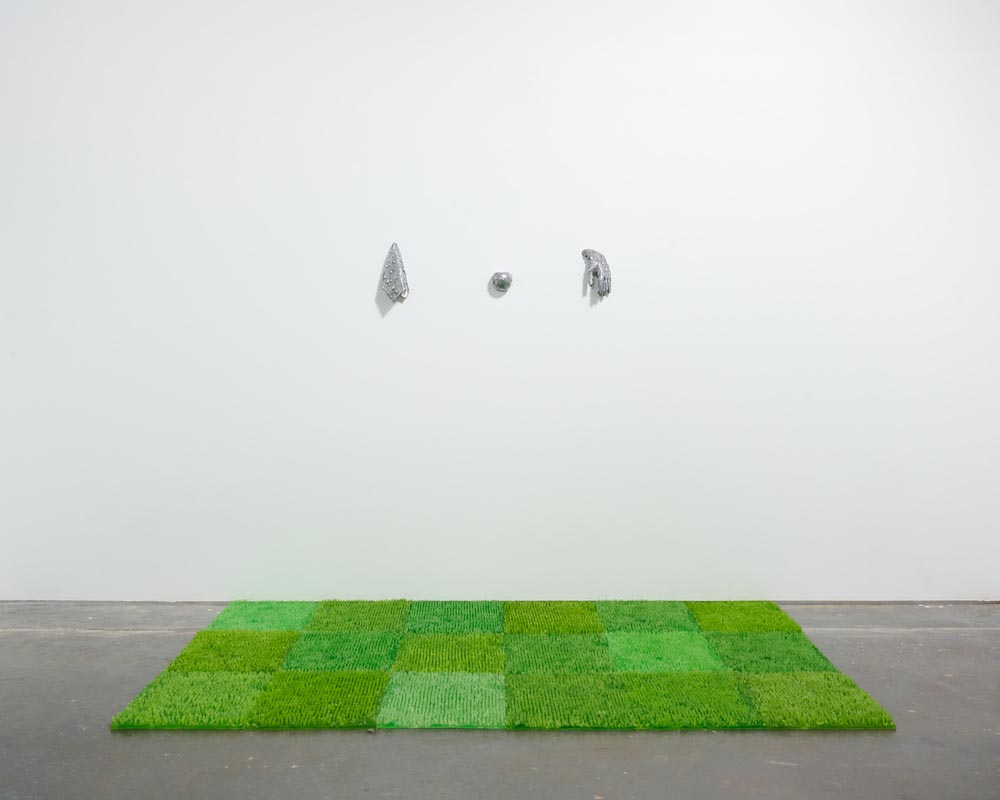
Grass is Always Greener (take me out to pasture) Installation view with 'Tears, Blood, Sweat' triptych. 2024. Soap, fragrance, dye. Dimensions variable. Hanky (Tears)- 11”h x 5”l x 4”d Apple (Blood) - 3.5”h x 3.5”d Glove (Sweat) - 8.5” h x 5” l x 3.5” d Photo credit: Forrest Frederick
The inspiration for the works comes from Dutch vanitas paintings - I'm interested in how, in still-life, depictions of inanimate objects have historically been able to highlight societal values and symbols of impermanence, wealth, and success. By using that rhetoric in a contemporary context (for instance, one of the works is about Subaru's infamous marketing campaign to lesbians), I'm interested in highlighting the things that contemporary society finds value in. The works are pretty diverse - some are serious, some are funny, and all are based on actual marketing ploys aimed specifically at femme buyers.
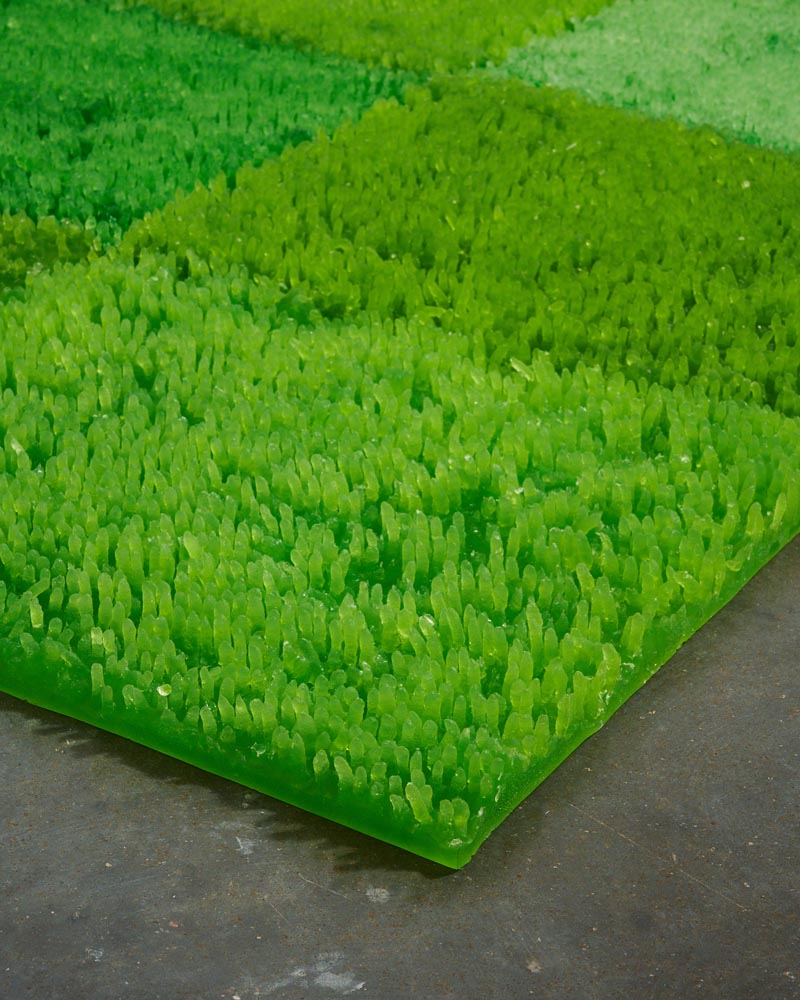
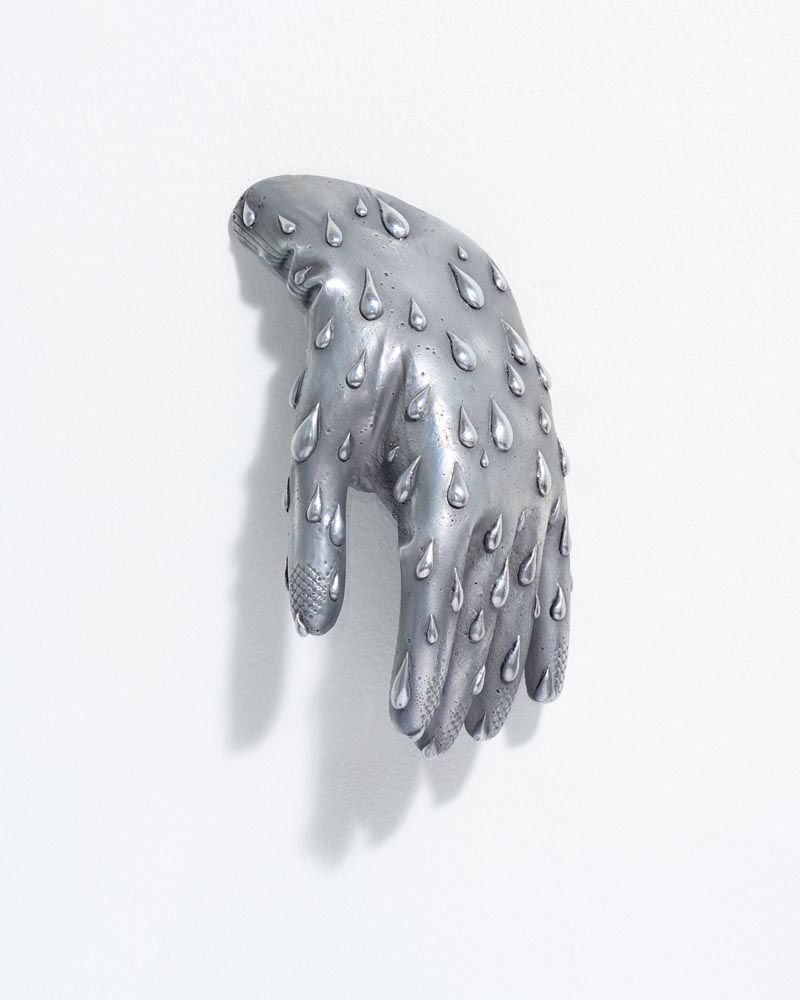
Left: Grass is Always Greener (take me out to pasture) (detail) 2024. Soap, fragrance, dye. 1.5”h x 93” l x 56” d. Photo credit: Forrest Frederick Right: Tears, Blood, Sweat Detail image of Glove (Sweat). 2024. Cast aluminum. 8.5” h x 5” l x 3.5” d. Photo credit: Forrest Frederick
Innovation does not only happen in the field of technology, how does it occur within your practice?
I look at art whenever I can - not only on Instagram, even though it's great for that. Seeing work in-person feels incredibly impactful for me, so visiting galleries and museums and my friends studios is something I'm constantly trying to do. I also have a teaching practice, and my students are always inspiring me by showing me the many, many ways challenges can be tackled. I'm very influenced by actual objects, so visiting second-hand stores has always been crucial for me to source positive objects for casting (and, just to remind myself of the amount of stuff that's out there in the world). Last, but most important: getting eight hours of sleep, reading, making weird pizzas, and taking time to see my family and friends.
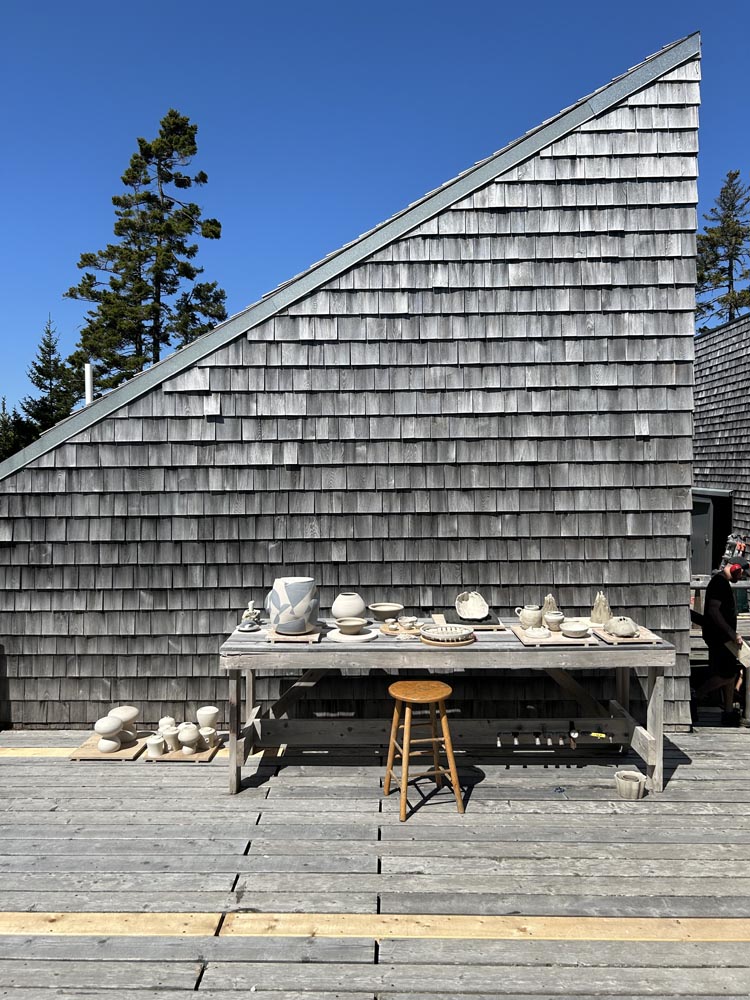
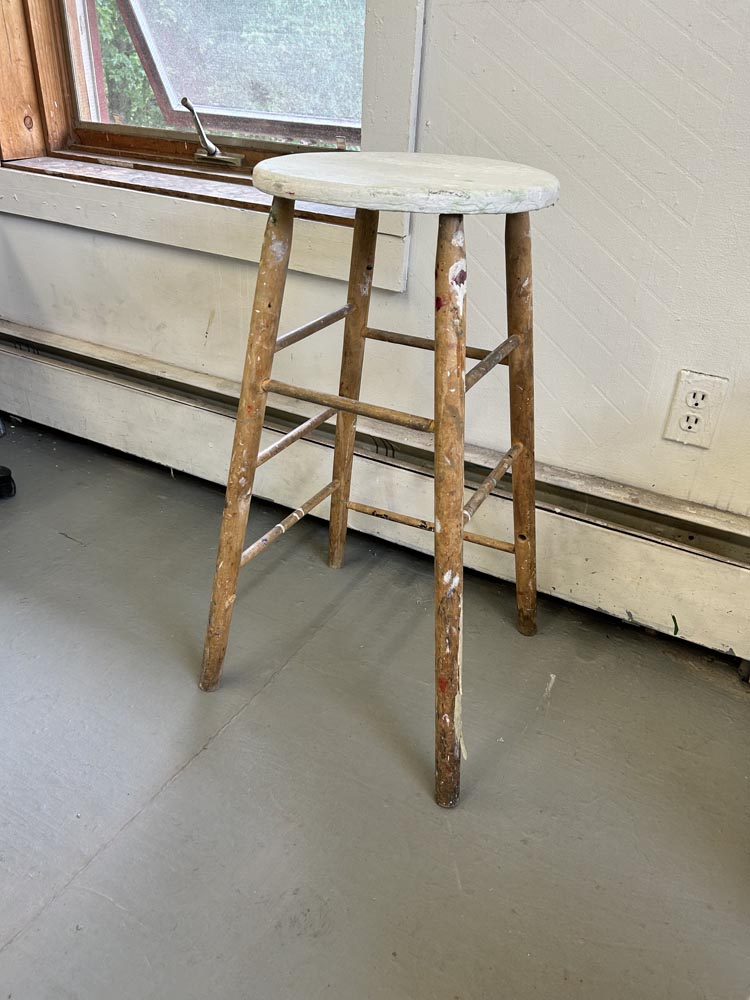
Left: The shingles on the side of a building at Haystack Mountain School of Craft. I would go on to make a roof tiled in inflated porcelain shingles. Seeing these cedar shingles was the first time the idea came to me. Right: A (very rickety) stool in the studios at Vermont Studio Center. I would go on to make a very large (equally rickety) stool cast from soap.
Where do ideas start for you?
Both. Many of my ideas come from personal experience, mixed with research around the systems and societal expectations that we all live with in the day-to-day. Lots of my ideas come from reading and film. Additionally, working directly with materials has always been an aspect of idea generation. One of the things that coming up in the craft world taught me is an attention to detail, and a willingness to listen to material. The backbones of my sculptures are always conceptual, but the substances I make them from contribute to the ideas I want to talk about within the works.
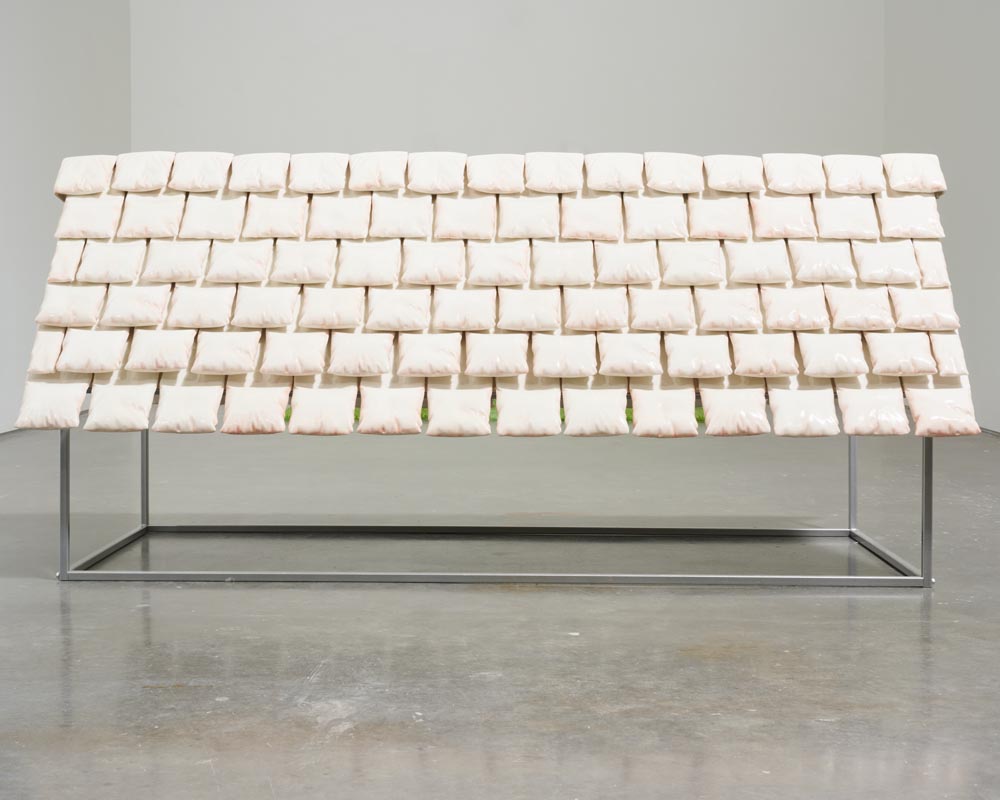
A Roof of my Own 2024. Porcelain, glaze, powder-coated steel, plywood, hardware. 37.5” h x 81.5” l x 39” w. Photo credit: Forrest Frederick
Material is always content. Sometimes I'll spend weeks testing a way to make something that's been in my head instead of pivoting to a new material or way of working. Once, I tested twelve different sealants to figure out the best way to make a bath mat waterproof and rigid so I could take a silicone mold from it, and then make a soap cast of the bath mat. It's not always the smartest way of working, but that kind of weird, hands-on research thrills me.
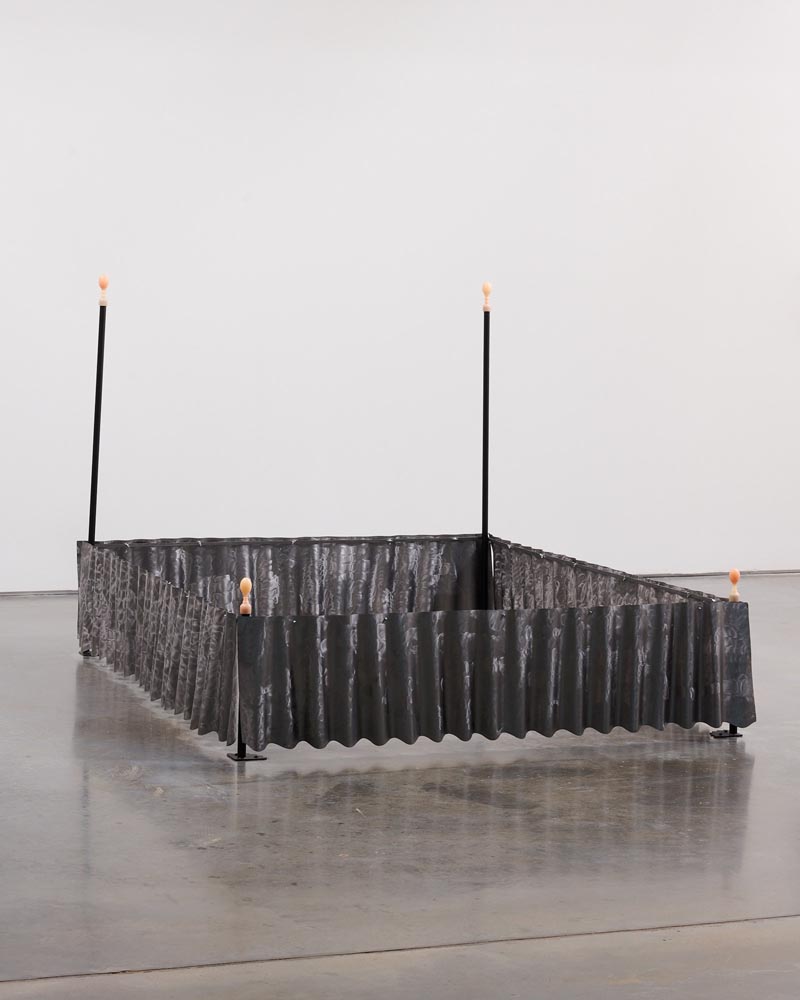
Bedskirt (California King) 2025. Steel, powder coating, hardware, plastic. 58.5” h x 72” l x 90” d. Photo credit: Forrest Frederick
How do you make your work, does it start with a sketch?
My work is almost always cast from a mold. The way this happens is dictated by the material that I'm working with - if I'm casting in soap, I make silicone molds, if I'm casting in metal, I make ceramic shell molds, and if I'm casting in porcelain, I make plaster molds. When I have an idea, it's usually sketched out in a very preliminary way, and then I go about acquiring whatever object I need to make a mold of. Moldmaking means that I'm often working with multi-step processes, and that always begins with the positive object. Sometimes those are second-hand found objects, sometimes they're fabricated objects, and a lot of the time they're a mixture of both.
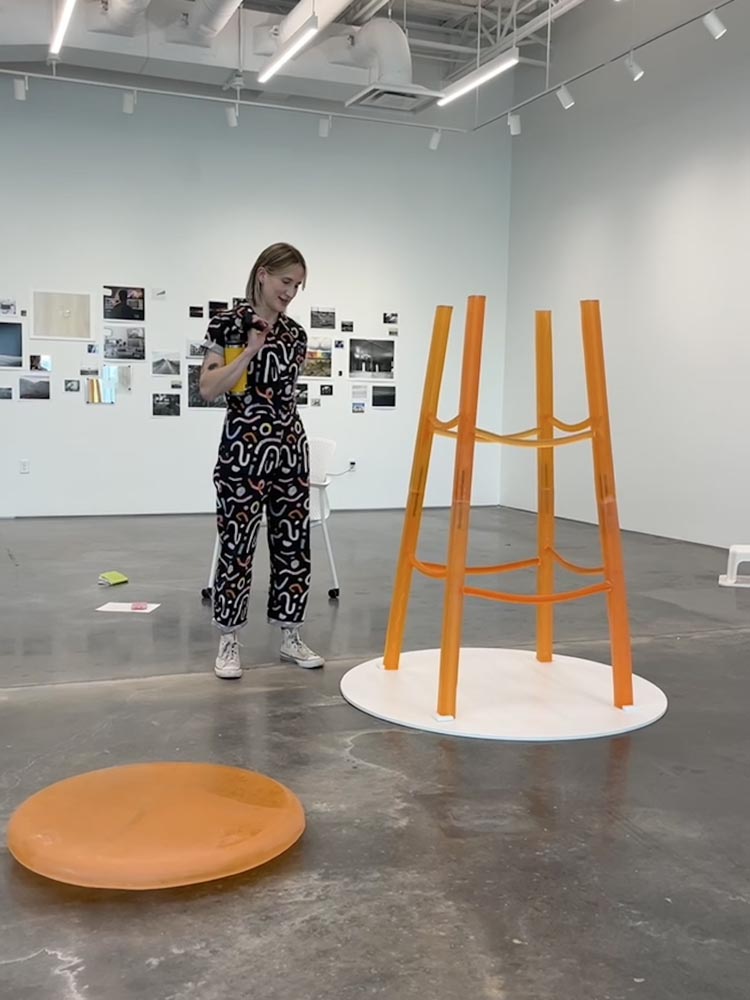
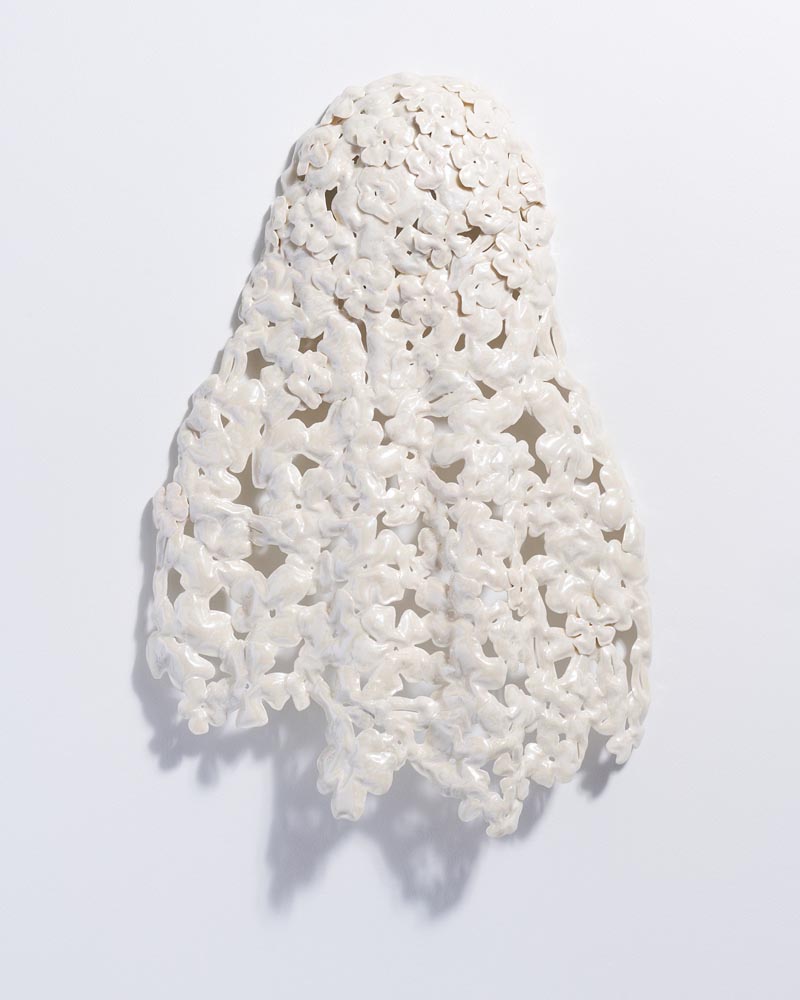
Left: The soap stool, titled Soapbox (E’s Stool), with me for scale. Right: Veil/Ghost 2025. Porcelain, glaze, lustre. 34” h x 24” l x 6” d. Photo credit: Forrest Frederick
Many artists live by their routines and rituals, what does yours look like?
I love my routine, but I'm in the middle of some big life moves right now, so I'm in the process of building out a new studio space. One thing I can say for sure - I love a long audiobook, a full water bottle, and snacks to keep me going. I also always have a test wall in my studio - a wall where all my material studies, sketches, found objects, and failed tests are hung. It helps me keep everything I'm thinking about in one place.
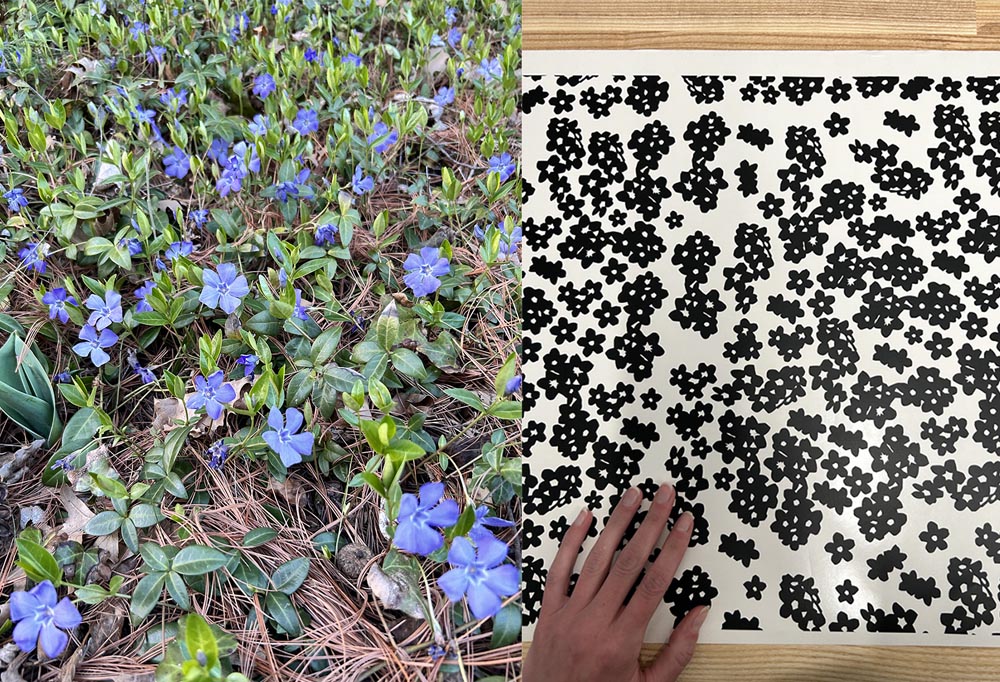
Flowers on my old street – I often use floriography as symbolism in my work. This image was translated into vinyl, which was made into a resist for rusting metal.
Who are your biggest influences?
In no particular order, and definitely not all of them: Betty Woodman, Patti Smith, Genesis Belanger, Carla Edwards, Eva Hesse, Tammi Campbell, Chris Staley, Greg Payce, Katrina Chaytor, Kapwani Kiwanga, Linda Lopez, Peaches, Jenny Holzer, The Guerilla Girls, bell hooks, Katie Ohe, Liz Magor, Margaret Atwood, Arundhati Roy....the list goes on.
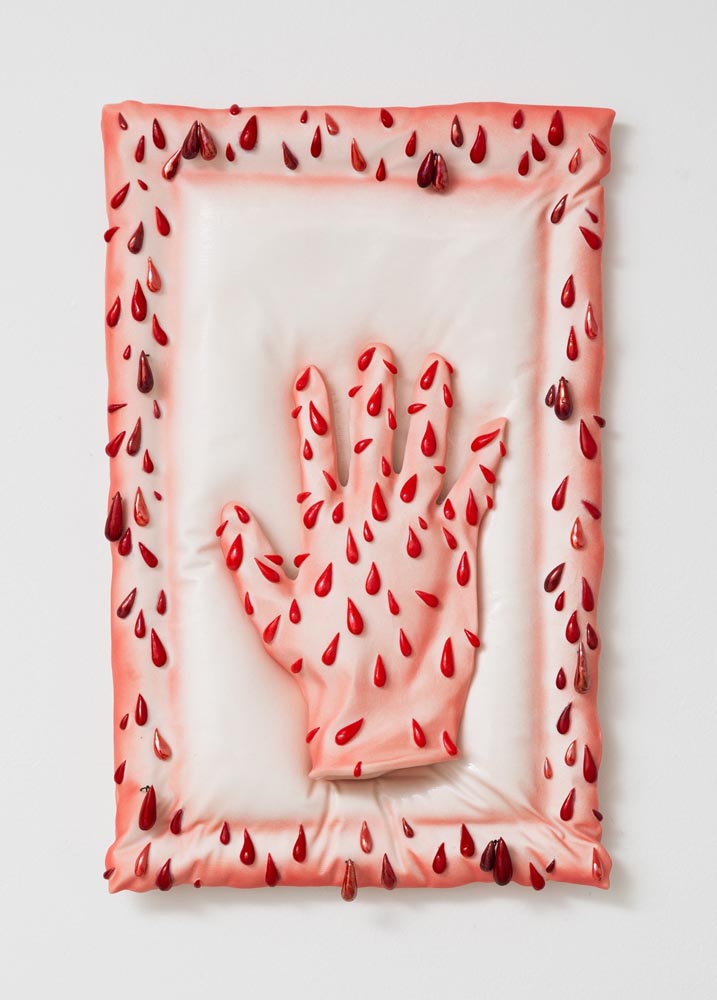
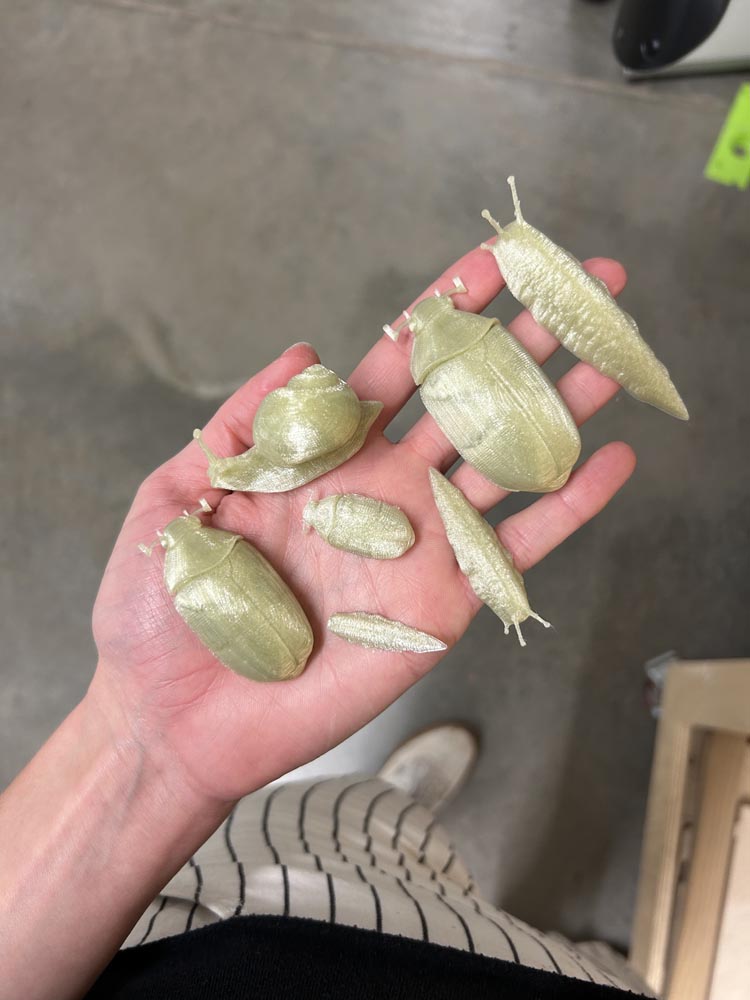
Left: Still Life (Pinky Glove) 2026. Porcelain, glaze, nichrome wire, lustre. 15”h x 10”w x 1.75”d Photo credit: Drew Nikonowicz. Right: 3D printed bugs
Are there books or films that are an important source of inspiration?
One of my favorite books of all time is 'Trick Mirror' by Jia Tolentino. I will always love 'Just Kids' by Patti Smith, and right now I'm reading a book called 'Girl on Girl: How Pop Culture Turned a Generation of Women Against Themselves' by Sophie Gilbert. In the last few years, I've been very into the horror movies I grew up with - Scream (1996), The Silence of the Lambs (1991), I Know What You Did Last Summer (1997)...lastly, I've always had a soft spot for Jim Henson's weirder films, like 'Labyrinth' and 'The Dark Crystal.' The puppeteering and fabrication processes for both those movies are so wacky, I love them.
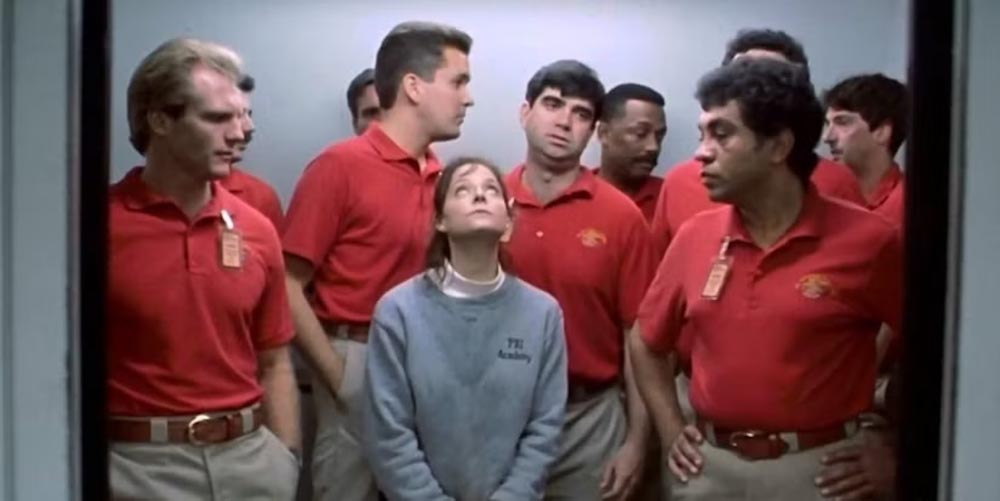
Clarice Starling in the 1992 movie The Silence of the Lambs
What’s the best piece of advice you’ve been given?
A mentor of mine told me to do whatever it takes to keep making work. Whether it's in a corner of your room, a community space, a garage; whether you're drawing or making sculptures or pinching tiny things out of clay - just keep practicing.
What is the best advice you would give to other artists?
Don't underestimate the power of a day off.
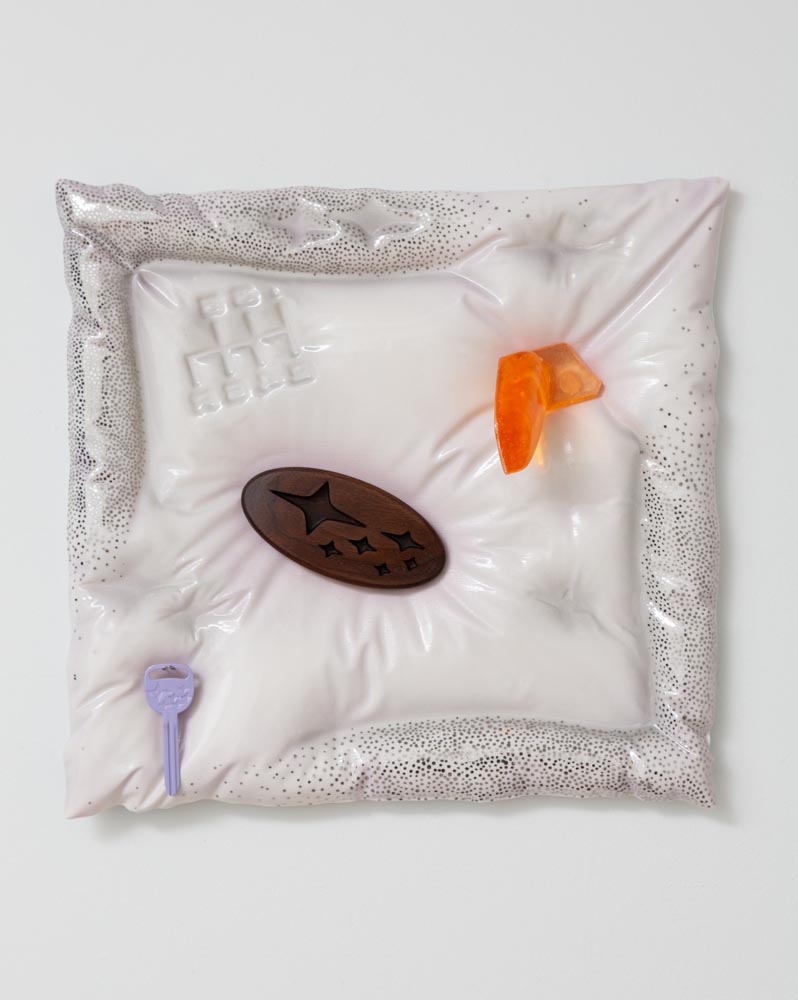
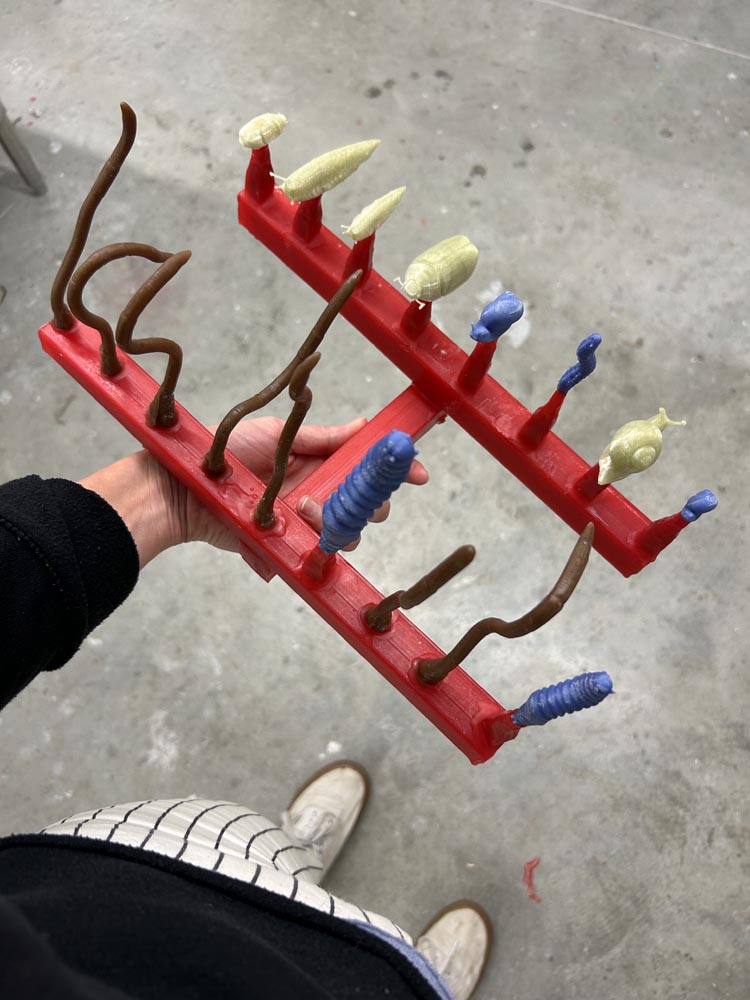
Left: Still Life (Lesbaru) 2026. Porcelain, glaze, lustre, walnut, brass, plastic, automotive paint. 14.25”h x 14.5”w x 3.5”d Photo credit: Drew Nikonowicz Photo credit for studio portrait: Drew Nikonowicz. Right: 3D printed bugs on a sprue system – these would eventually be cast in bronze. I think a lot about modern and historical processes; mixing them to make my work echoes the ideas that often form the basis of my sculptures.
Stay up to date with Jocelyn Reid
Website jocelynreid.com
Instagram @jocelynreid