Photographer based in Atlanta, Georgia
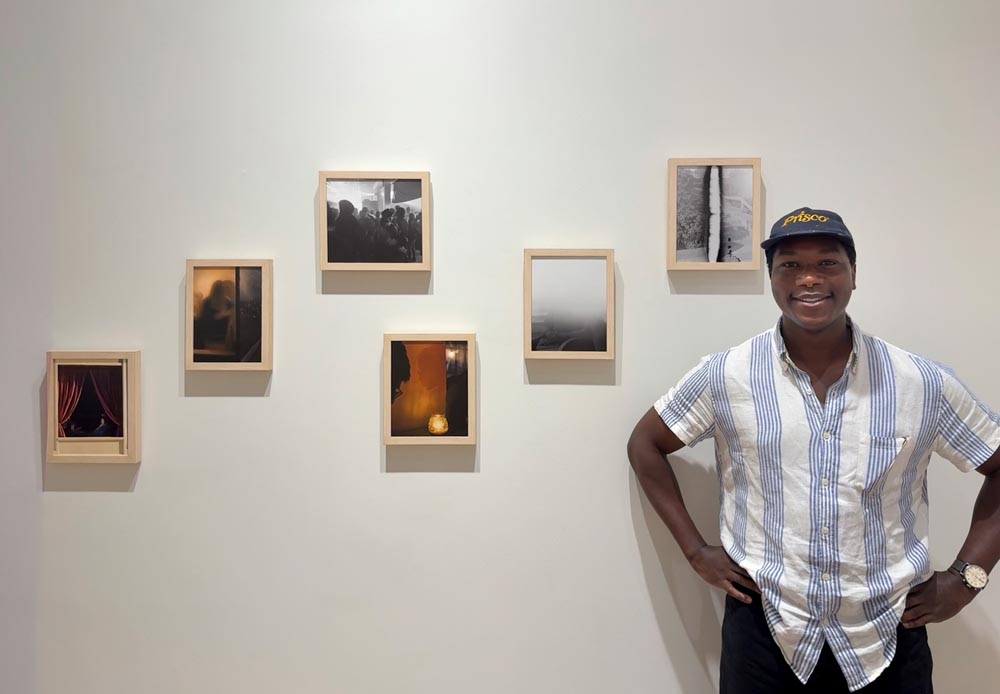
Jamil Fatti, Portrait of the Photographer
Tell us about yourself, what's your background?
I don’t think there was one single moment when I “knew.” Art was always one of my favorite subjects in school, and outside of school I loved engaging with art in its many, many different forms: not only fine art, but also comic books, cartoons, music, and movies. For photography specifically, I’d say my mom introduced me to it first. She’s not a professional photographer, but she has always taken pictures and kept an extensive archive of family photographs. I noticed how much care she put into preserving those pictures, and how much excitement she got from making her own pictures to add to the archive. I don’t think either of us knew it at the time, but I think it had a major impact on me, one that stayed with me through childhood, adolescence, and into adulthood.
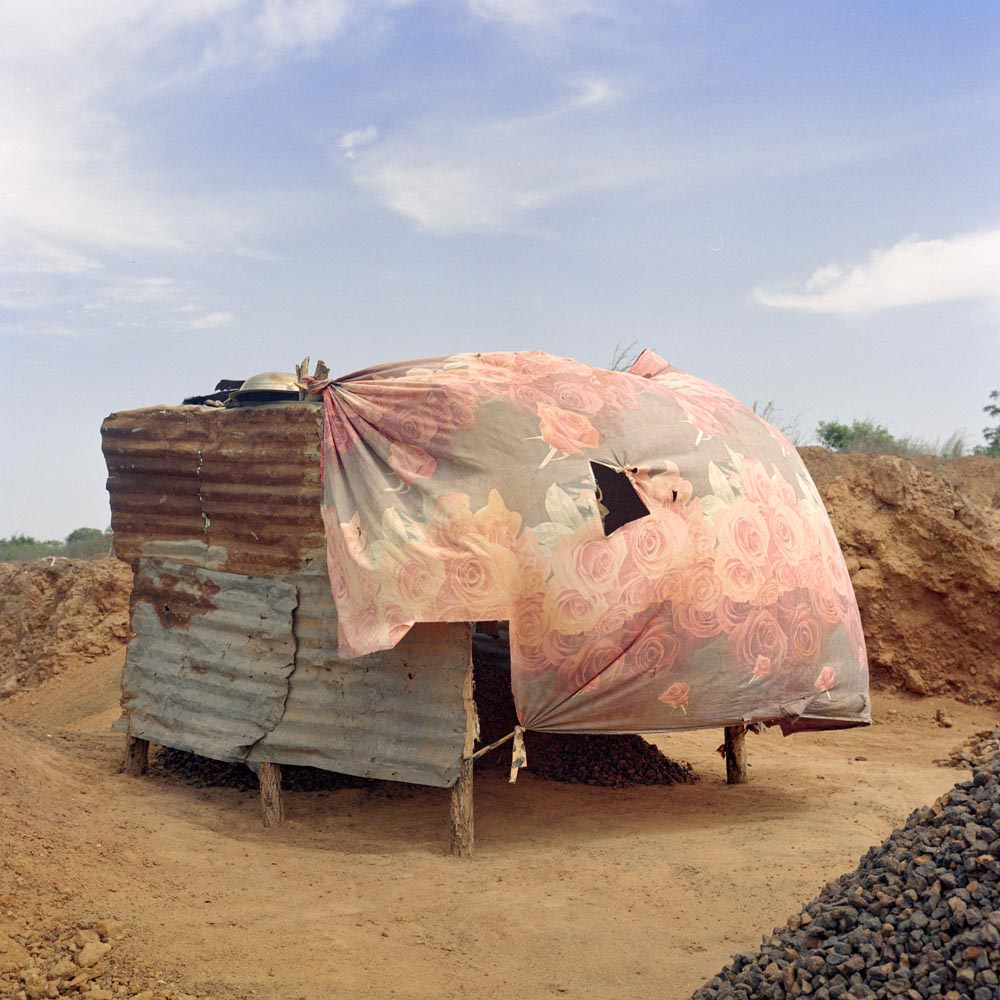
From the series, Songs of Loving Late, 2025. Archival Pigment Print, Dimensions Vary
“If Songs of Loving Late is looking outward through memory, grief, and inheritance, Caesura is more about the pauses and ruptures that happen inside the self: uncertainty, vulnerability, longing, and the attempt to stay open while feeling unmoored.”
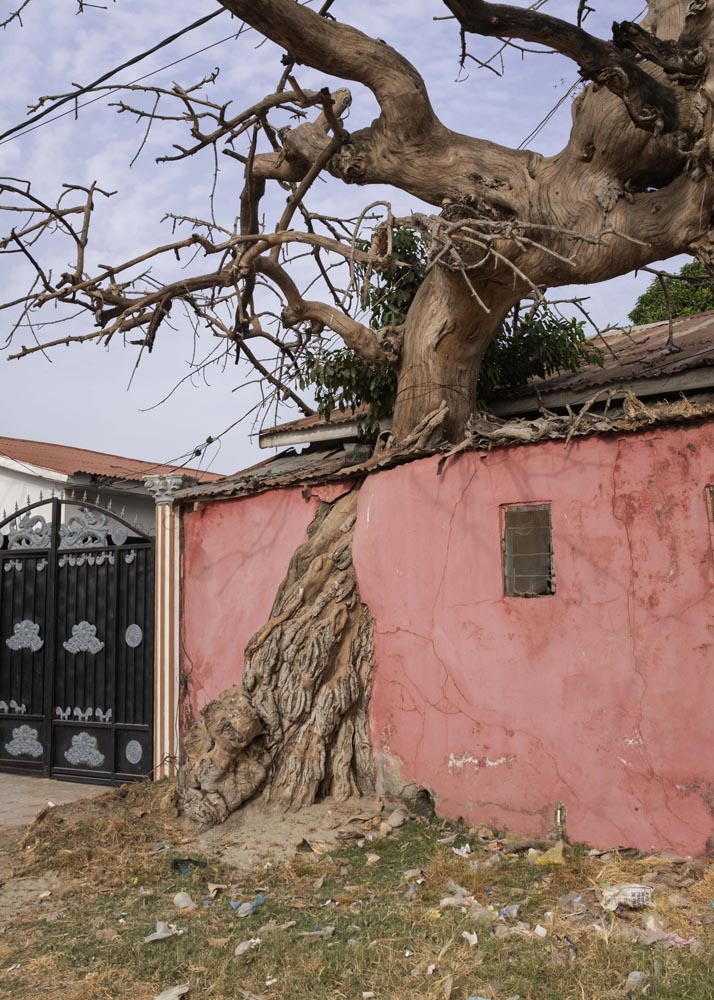
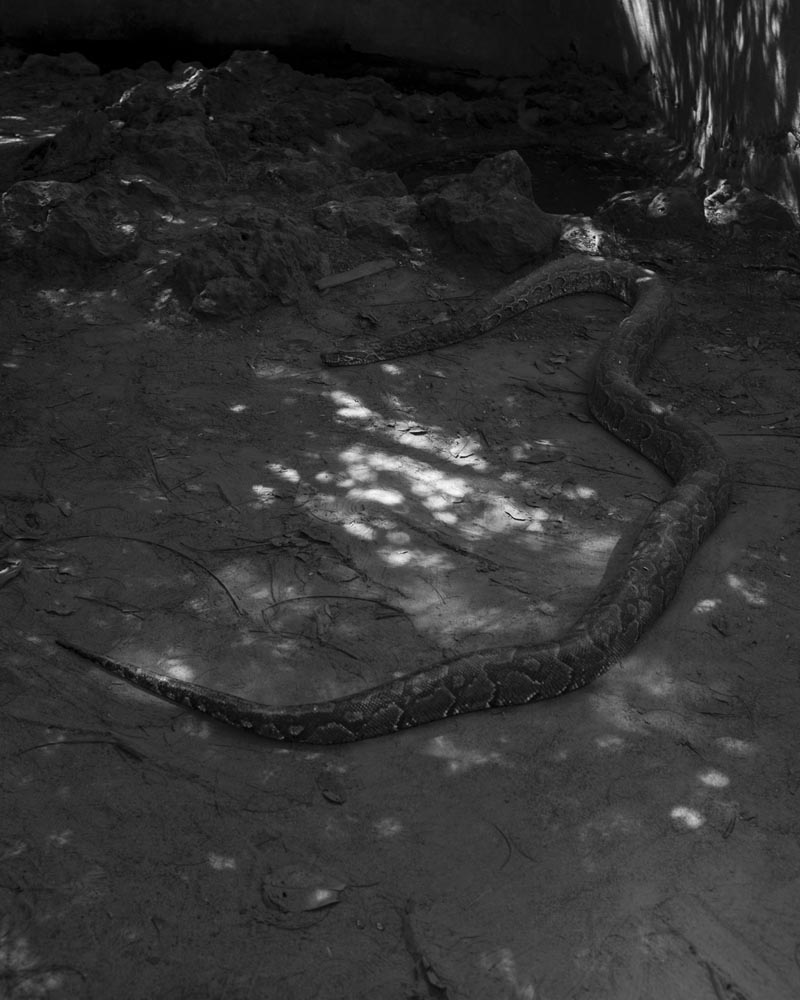
From the series, Songs of Loving Late, 2025. Archival Pigment Print, Dimensions Vary
What are you currently working on and where did the inspiration for it come from?
Right now, I’m working most actively on Songs of Loving Late, a project I’m developing in advance of my upcoming solo exhibition at Filter Space in Chicago in December 2026. The work comes out of a recent trip back to The Gambia. I had already planned the trip months earlier, with the intention of making new photographs for the exhibition, but the week I was set to leave, I learned that my auntie, Mama Fatty, had passed away.
Mama Fatty helped raise my father after his own father died when he was still a baby. I never had the chance to meet either of my grandmothers, so in my mind she came to hold a place close to that kind of ancestral presence. When I arrived, it was clear that her passing had left a deep absence in the family. That changed the tenor of the trip for me, and I think it changed the tone of the pictures as well. I found myself thinking about what passes from one person into another across generations: discipline, tenderness, restraint, humor, posture, fear, faith, and the subtle ways a person learns how to move through the world.
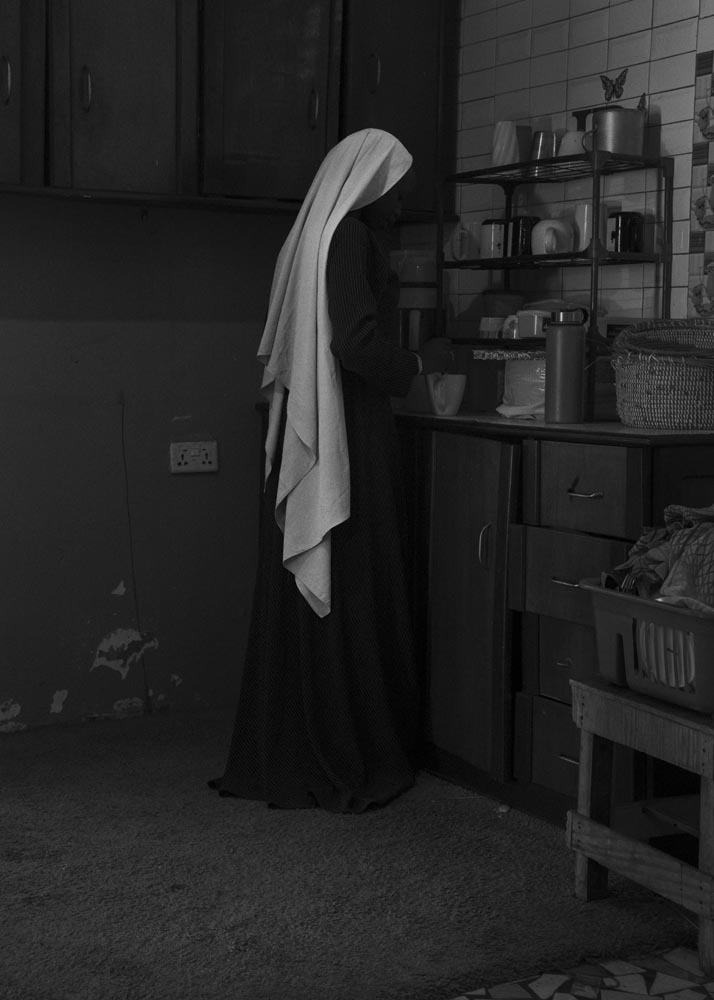
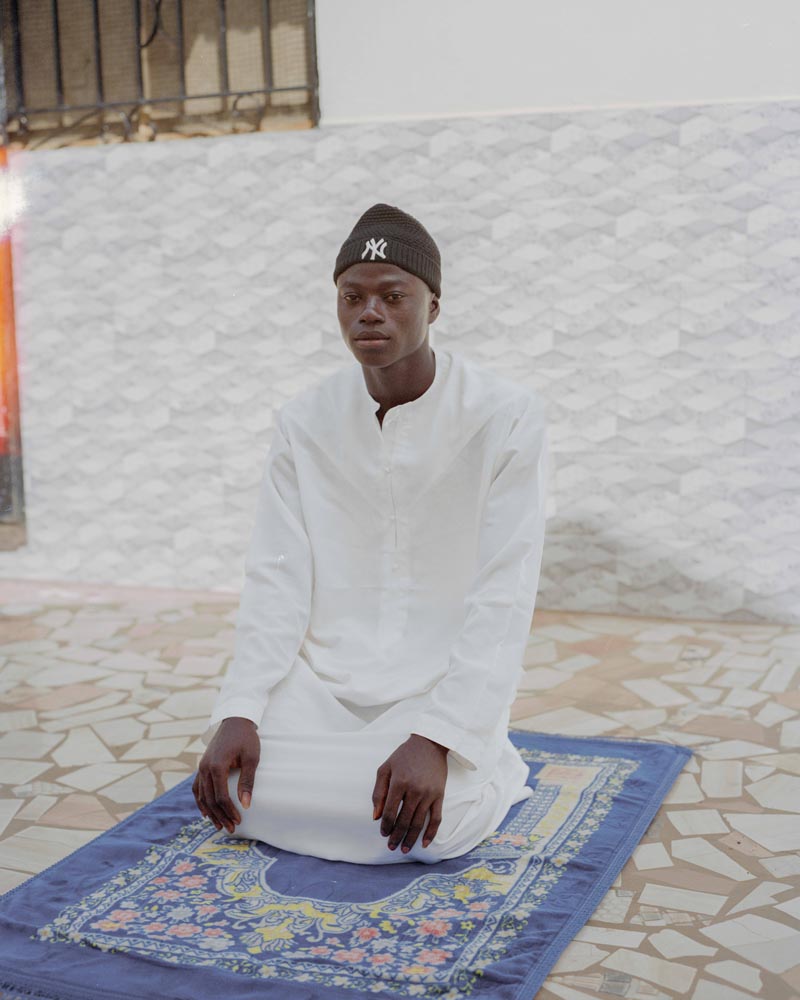
From the series, Songs of Loving Late, 2025. Archival Pigment Print, Dimensions Vary
The work is not only about mourning her directly, but about the ripples a life leaves behind. I’ve been thinking about the force of a person’s presence after they are gone, and how their influence continues through others who are still living. In the space opened by her absence, I found myself looking carefully at the world that remains: fragile, shared, imperfect, but still worth caring for. The project asks how attention might become a form of devotion, or a way of loving what cannot be kept.
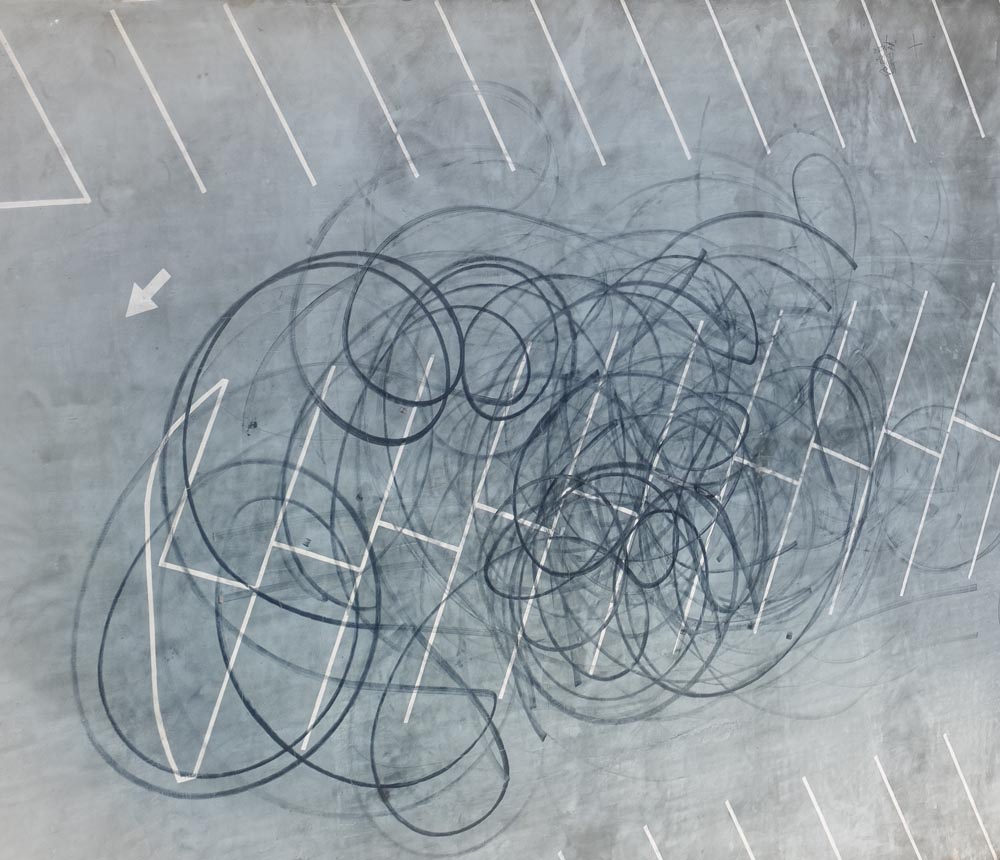
From the series Caesura, 2023–2026. Archival pigment prints, dimensions variable.
I’m also continuing to work on Caesura, which began during my final year at RISD. That project is more diaristic and interior, combining photographs with fragments of text, dream records, passing thoughts, and moments of emotional dislocation. If Songs of Loving Late is looking outward through memory, grief, and inheritance, Caesura is more about the pauses and ruptures that happen inside the self: uncertainty, vulnerability, longing, and the attempt to stay open while feeling unmoored.
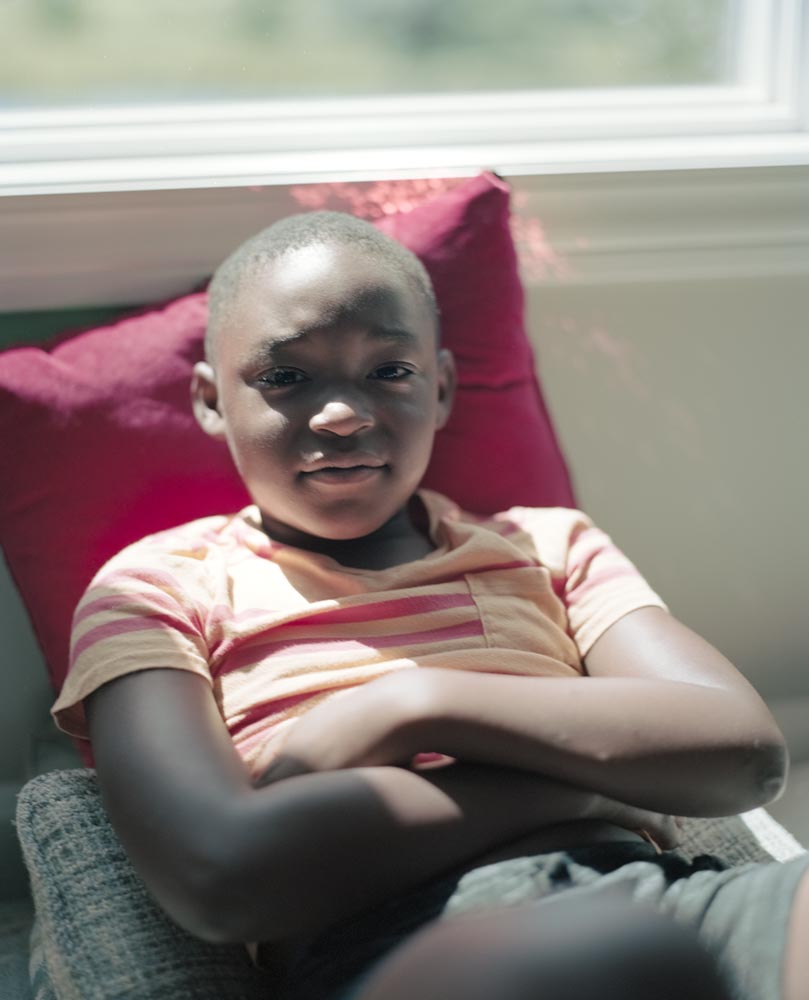
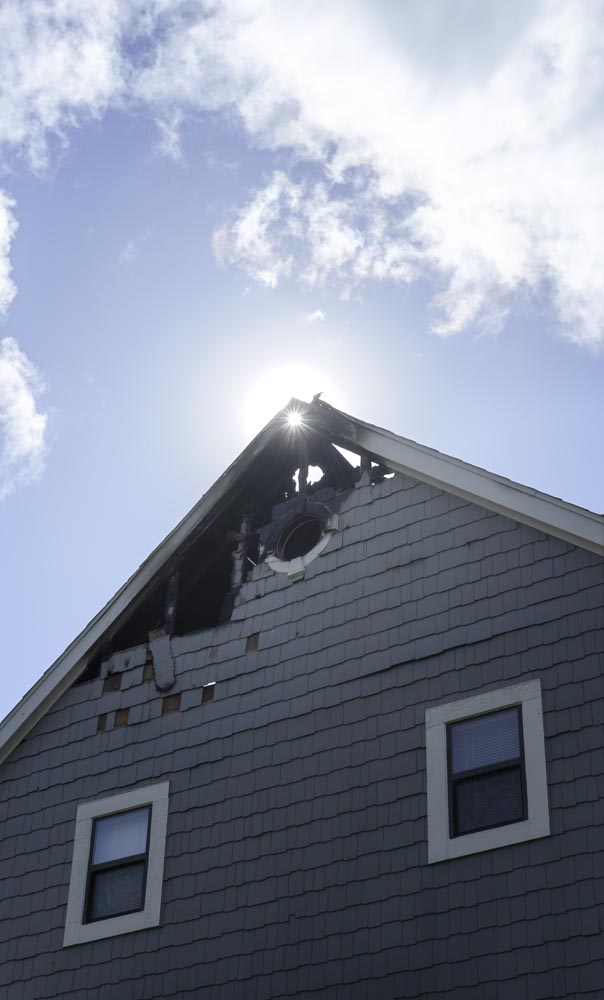
From the series Caesura, 2023–2026. Archival pigment prints, dimensions variable.
The projects come from different places, but I think they are exploring similar territory. Both are concerned with impermanence, memory, and how we continue to make meaning while knowing that everything around us is changing.
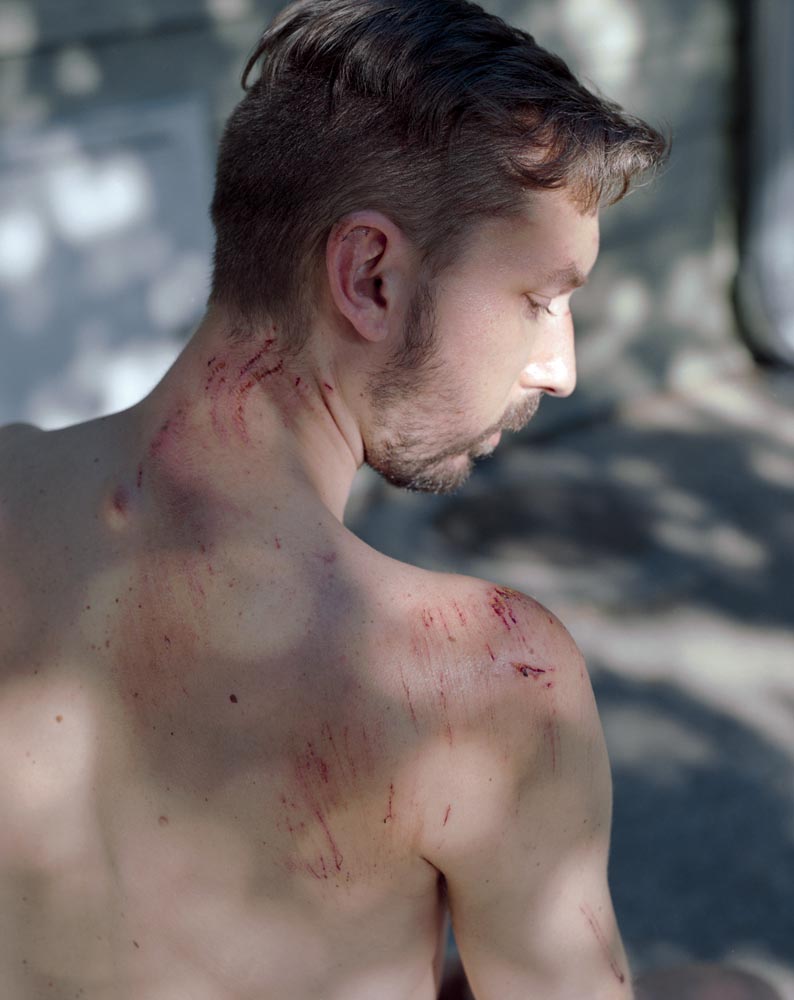
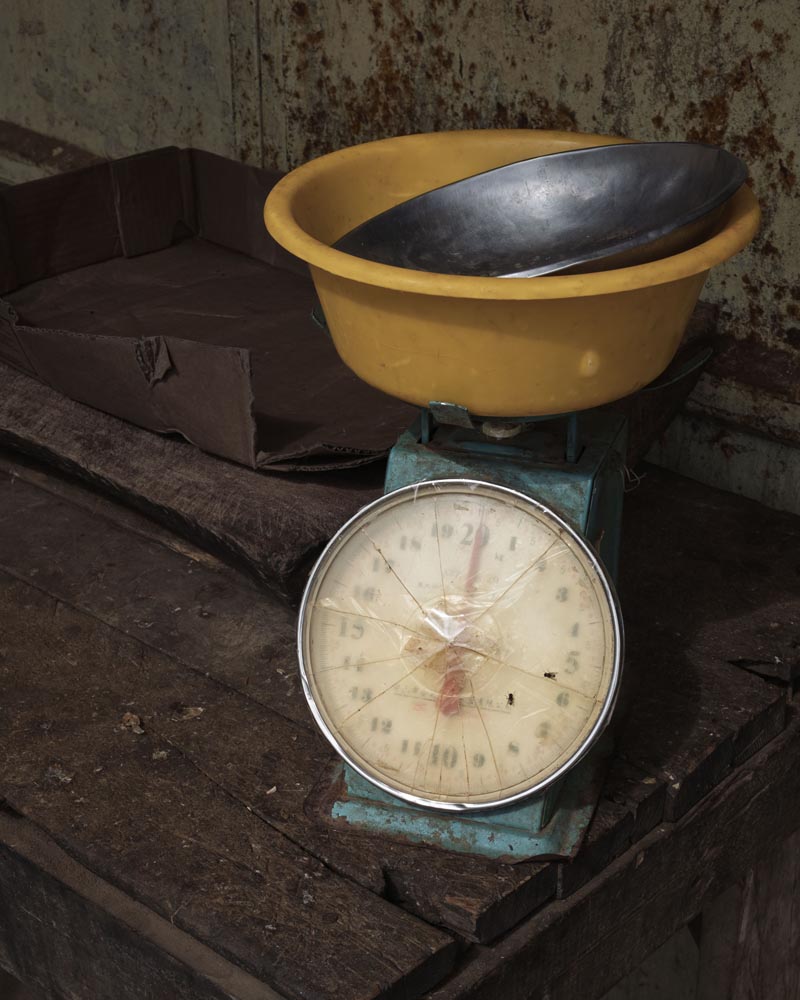
Left: From the series Caesura, 2023–2026. Archival pigment prints, dimensions variable. Right: From the series, Songs of Loving Late, 2025. Archival Pigment Print, Dimensions Vary
Innovation does not only happen in the field of technology — it occurs everyday in a creative practice. What do you do for inspiration?
I try to stay open. For me personally, inspiration can come from almost anywhere: a conversation with a friend, a text exchange, a dream, a walk, a film, a song, or a chance encounter while moving through the world. Caesura, for example, is an image-and-text project that includes fragments of text conversations with friends gathered over a few years. Those conversations (informal, unplanned, real) form part of the emotional undercurrent of the work. They don’t explain the pictures directly, but they shape the atmosphere around them and influence how the images are selected, arranged, and understood.
I think being receptive is one of the most generative parts of my practice. The work depends on letting unexpected things in, and on taking the time to notice which images, words, and experiences continue to echo.
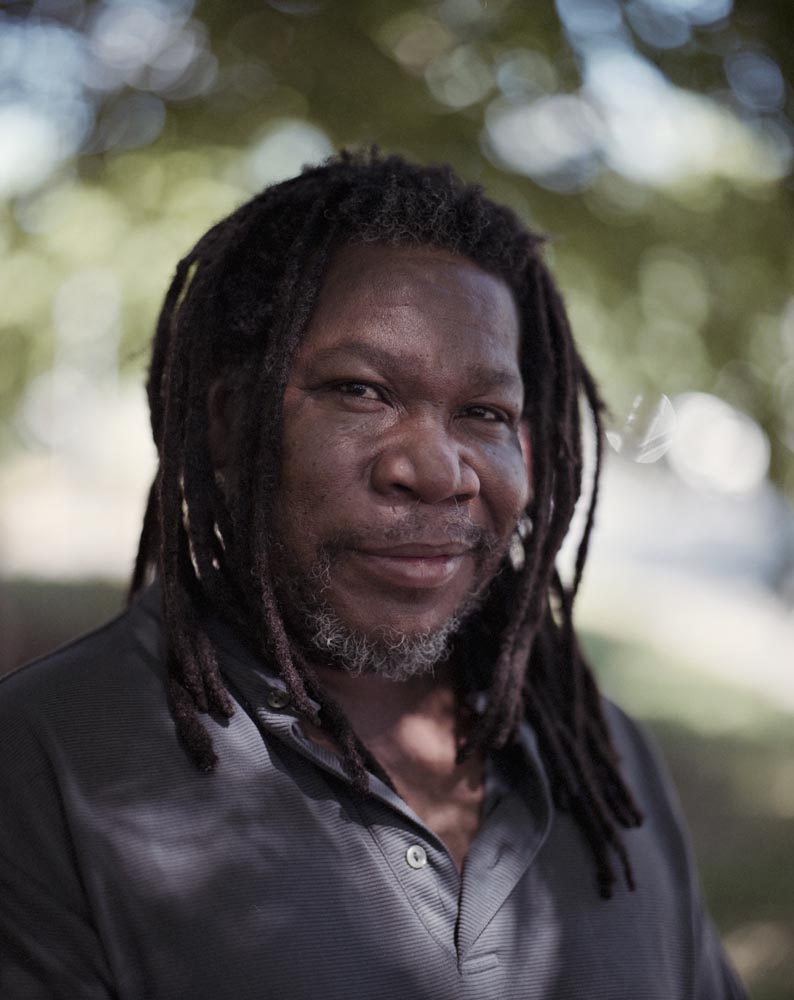
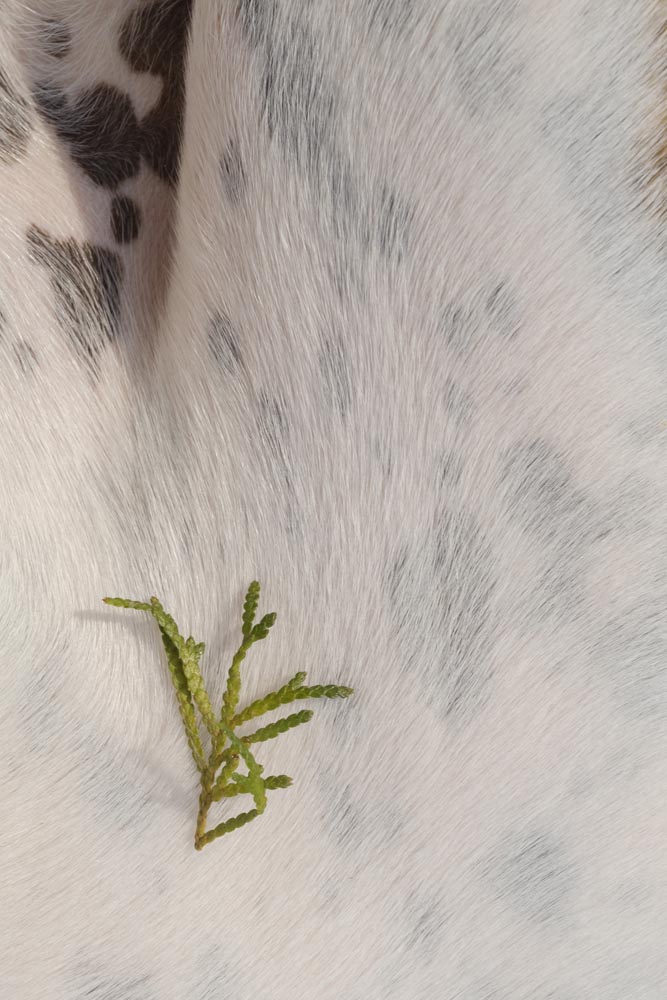
From the series Caesura, 2023–2026. Archival pigment prints, dimensions variable.
Describe your practice and process. Where do ideas start for you? In the studio or being in the world?
My practice usually begins in the world, but the work often becomes itself later through editing, sequencing, writing, and returning to images over time. I carry a camera with me often and make pictures intuitively, following what naturally draws my eye without needing to first understand the “why.” Sometimes the reason a picture matters becomes clear immediately, but more often it reveals itself later, after I’ve had time away from it.
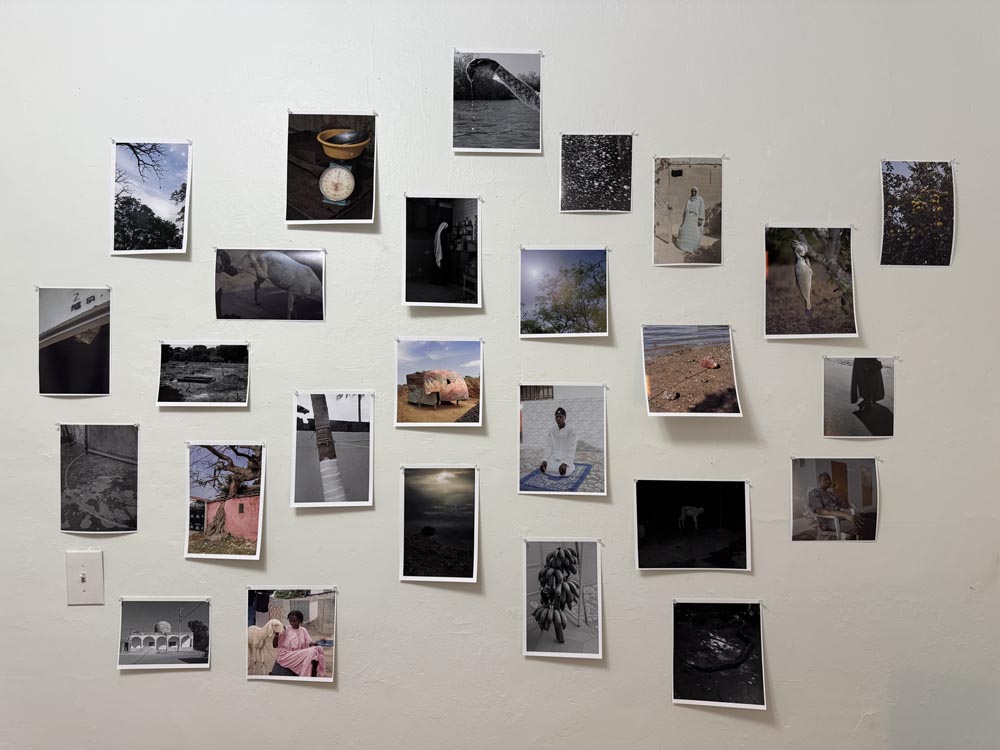
Process view in the studio
A lot of my process involves gathering, revisiting, and arranging. I make many photographs that may not have an immediate purpose, but over time certain images begin to speak to each other. They gather around particular concerns: memory, impermanence, grief, longing, faith, tenderness, uncertainty, or the passage of time. In that sense, the work does not always begin with a fixed thesis. It often begins with attention, then becomes more focused through reflection.
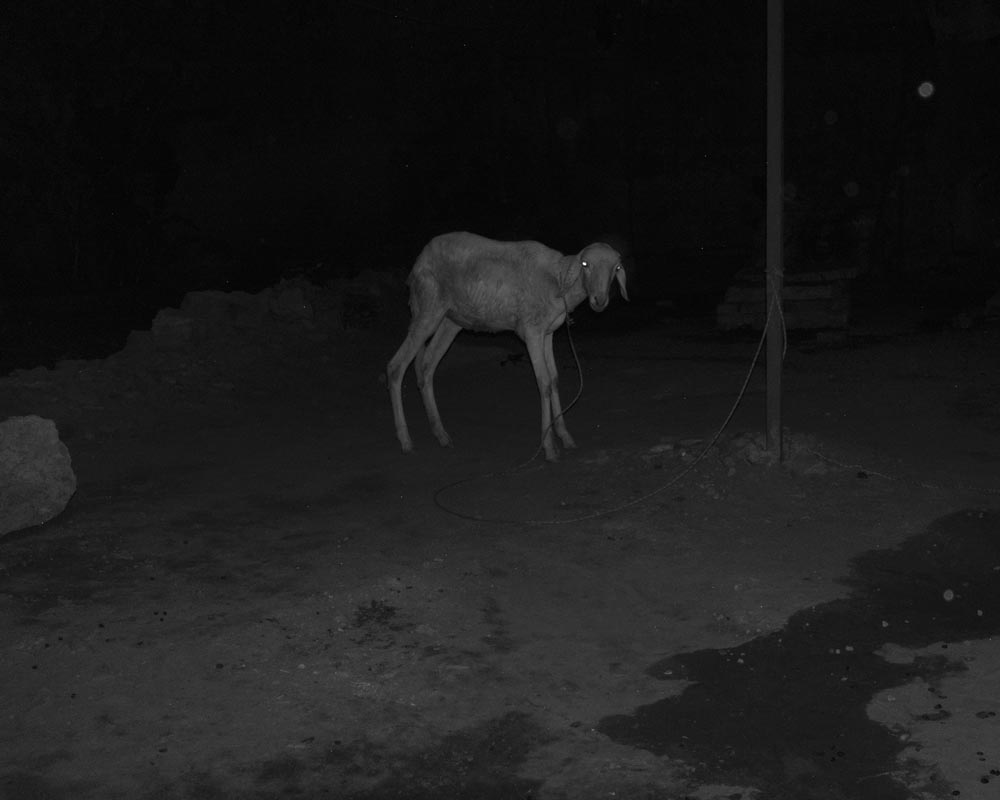
From the series, Songs of Loving Late, 2025. Archival Pigment Print, Dimensions Vary
Writing is also an important part of my process. Sometimes it appears directly in the work, as in Caesura, and sometimes it stays behind the scenes through notes, fragments, journals, or project statements. The writing helps me understand the emotional and conceptual pressure behind the images, but I try not to let it close the photographs down. I’m interested in the space between what I intended, what the image holds, and what someone else might bring to it.
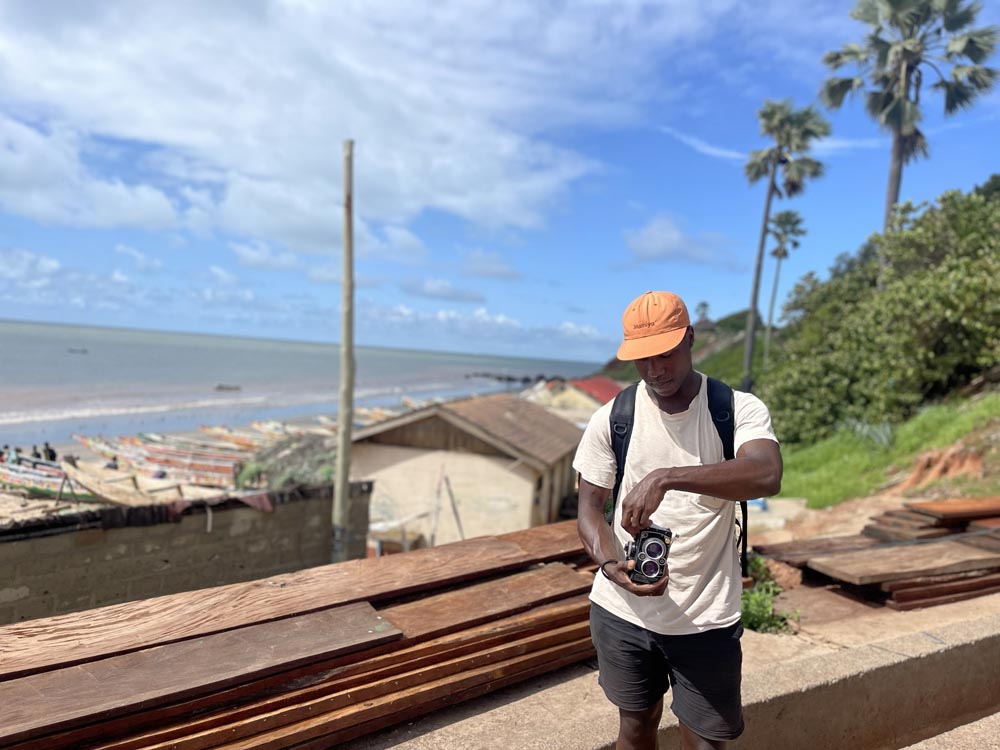
Jamil Fatti in the field
Many artists live by their routines and rituals, what do yours look like?
I don’t have a strict studio ritual in the traditional sense. My practice is split between being out in the world making pictures and spending time later with the images: editing, sequencing, writing, printing, and arranging things until they begin to feel right. Because of that, the “studio” can shift depending on where I am in the process. Sometimes it is a walk with a camera, sometimes it is my desk, sometimes it is a folder of scans I keep returning to, and sometimes it is a long stretch of time spent moving images around in a sequence.
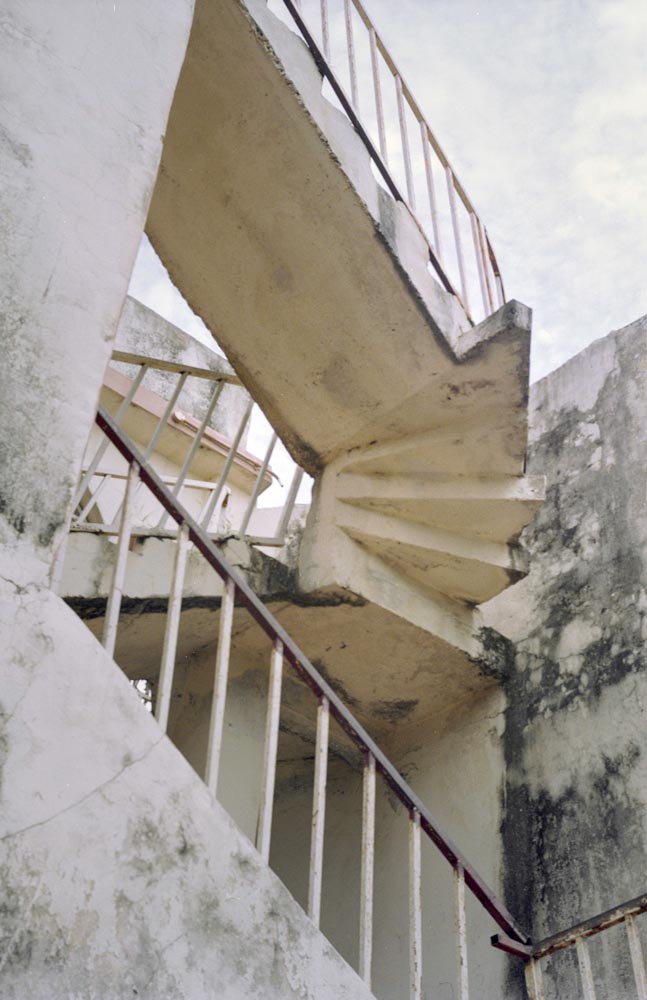
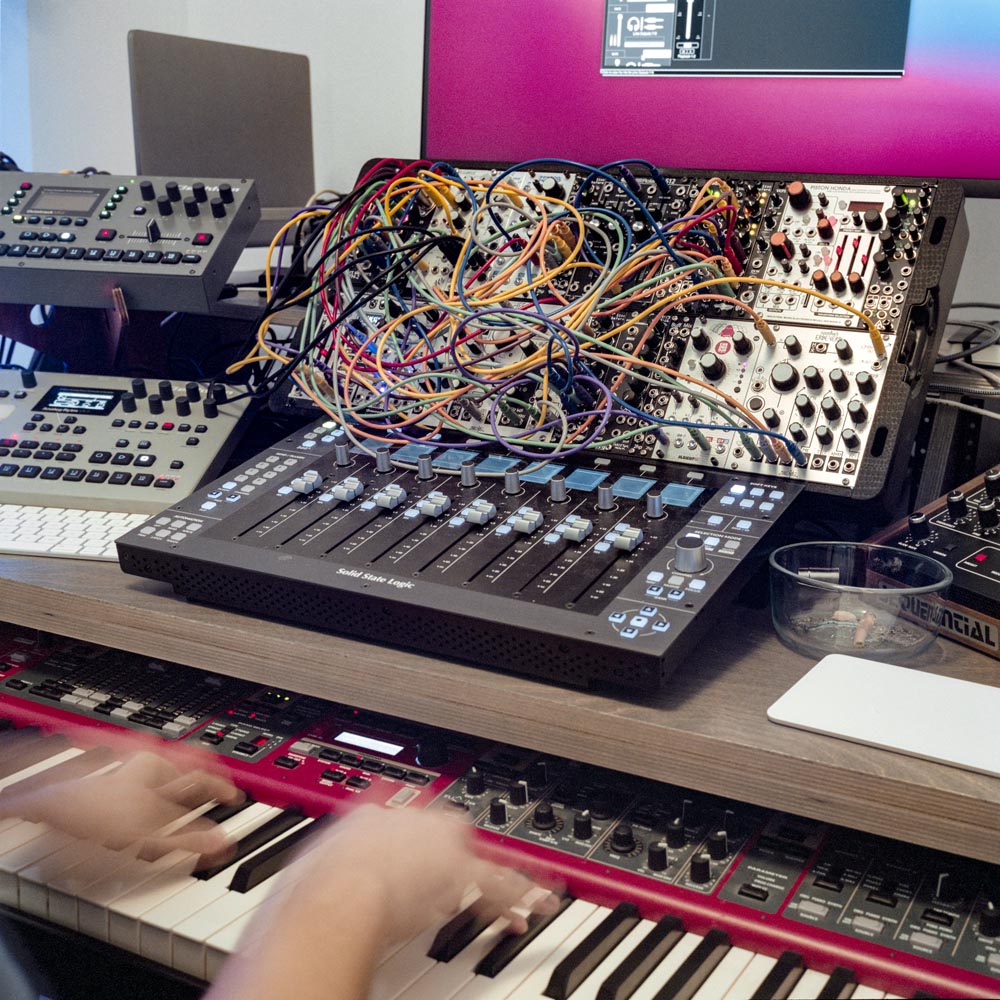
Left: From the series, Songs of Loving Late, 2025. Archival Pigment Print, Dimensions Vary. Right: From the series Caesura, 2023–2026. Archival pigment prints, dimensions variable.
Music is probably the closest thing I have to a consistent ritual. I listen to music constantly while editing, sequencing, writing, or thinking through a project. It helps me stay inside a certain emotional atmosphere long enough to understand what the work might be asking for. I also tend to work best when I can give myself time to circle around something rather than forcing an answer too quickly. A lot of the process is returning: returning to images, returning to text, returning to a feeling, and waiting to see what still holds.
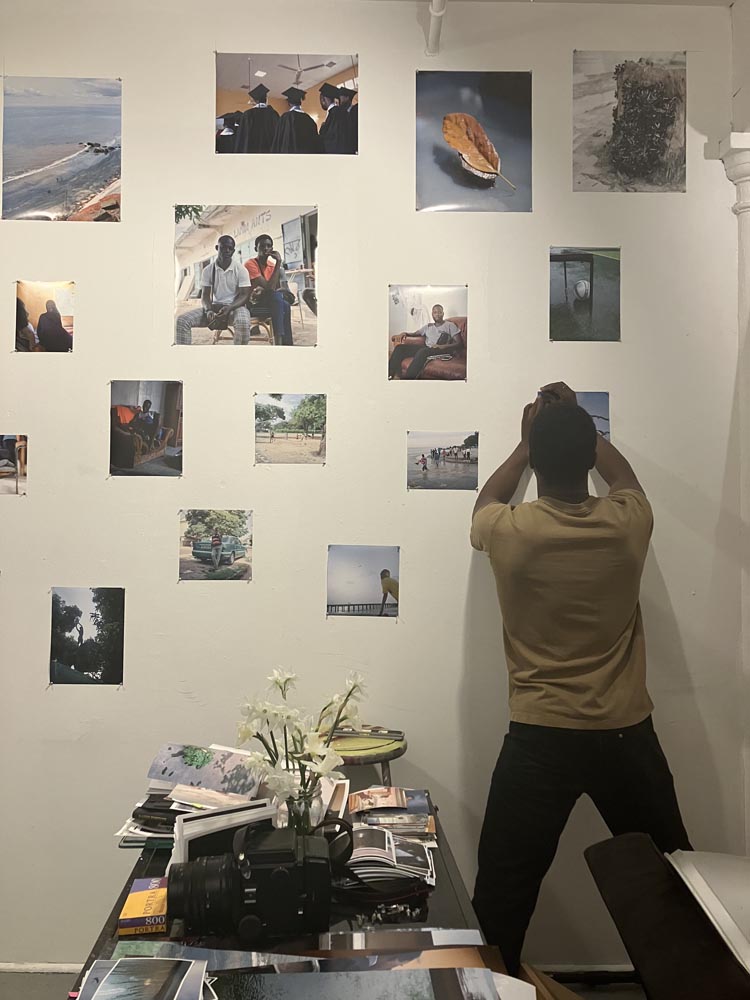
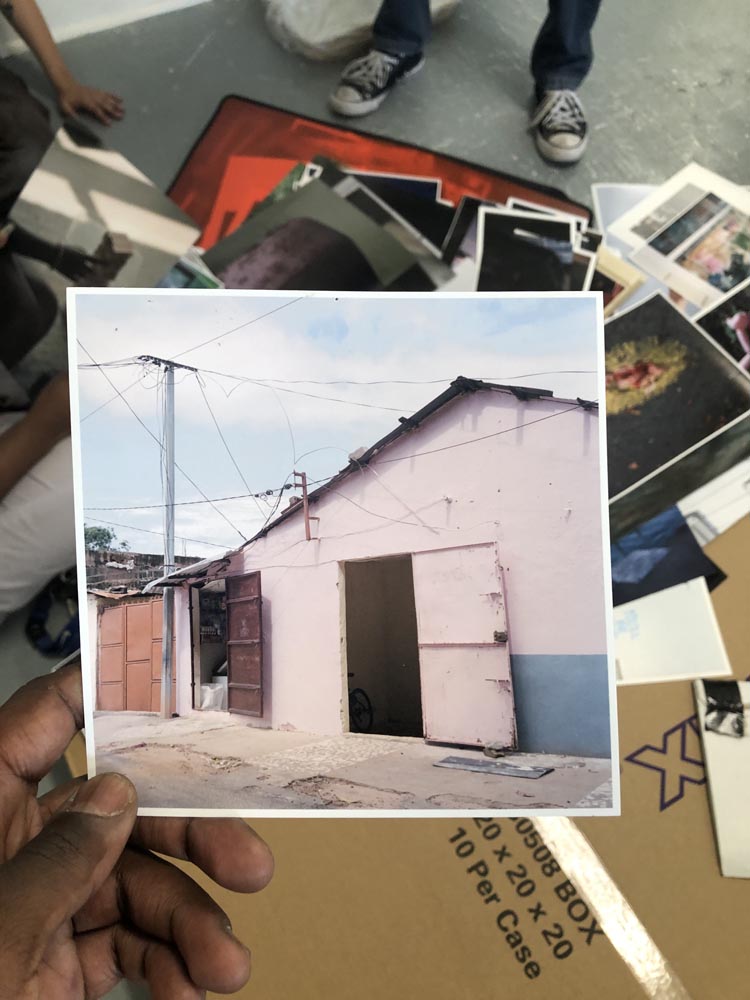
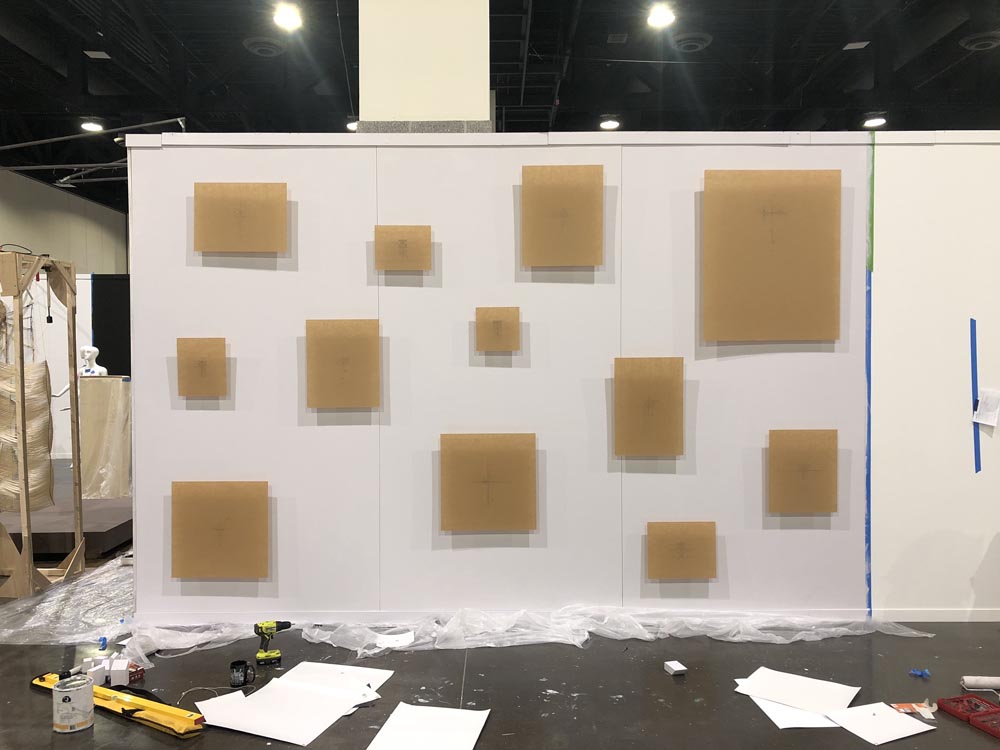
Process views
How will Innovate Grant contribute to your practice?
This Innovate Grant award comes at a really important moment for my practice. It will directly support the production of Songs of Loving Late for my upcoming solo exhibition at Filter Space, by offseting some of the material costs that come with bringing work into physical form: test prints, final prints, mounting and framing, and shipping and installation.
Additionally, the award really is a meaningful form of encouragement. Much of my practice has been built through persistence: making pictures before there was a clear audience, continuing to follow questions that are personally meaningful, and allowing the work to develop according to its own internal logic rather than external expectations. When you are making work that does not always fit neatly within what feels immediately legible, marketable, or easy to place, it can sometimes be difficult to know how it is being received. I make the work because I believe in it and because I love doing it, but it is still deeply encouraging to know that others find value in it.
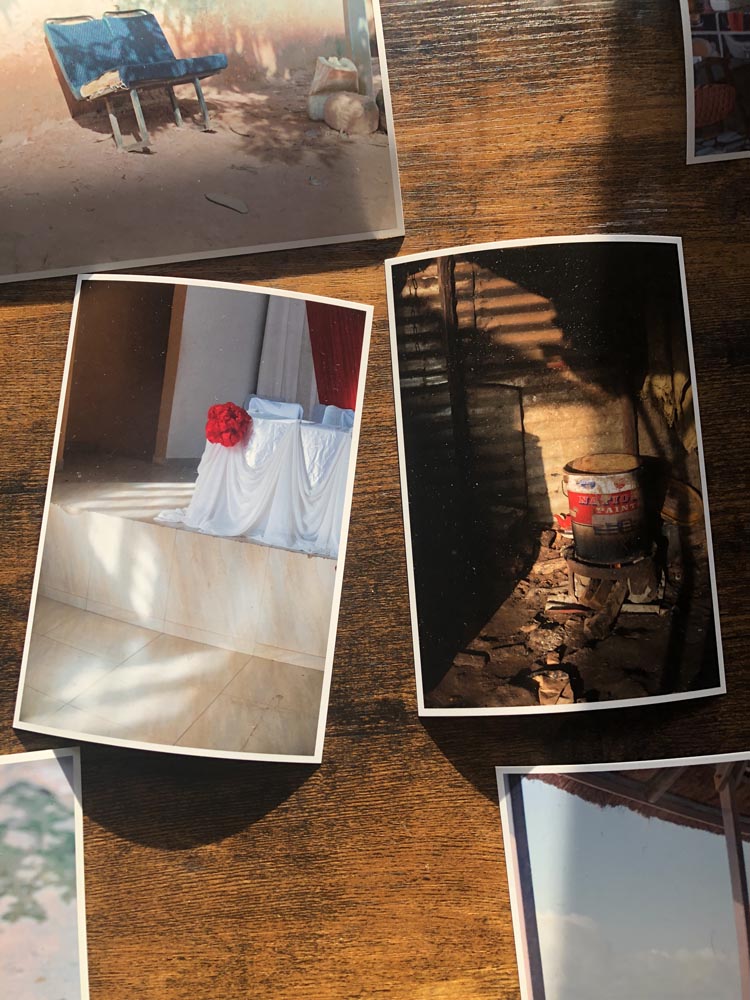
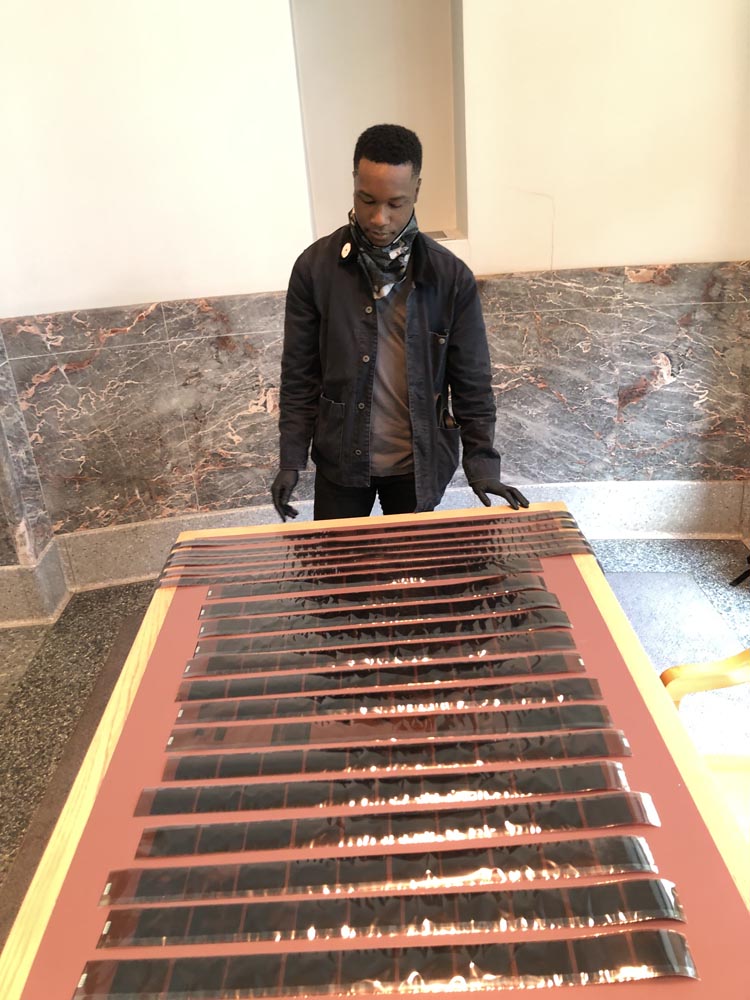
Work in progress, studio views
What is the best advice you would give to other artists?
My advice would be to keep making the work, even before you know exactly where it is going or who it is for. Sometimes a picture, poem, drawing, or idea does not reveal its importance right away. It may sit quietly for years before it becomes part of something larger. I think there is real value in giving yourself permission to make without needing every act of making to immediately justify itself.
I would also say to listen carefully to feedback, but not to let other people’s expectations replace your own relationship to the work. There will always be trends, markets, institutions, and opinions about what art should be or what kind of work is easiest to understand. Those things are real, but they are not the only measure of value. The questions that keep returning to you, the ones you cannot easily put down, are usually worth following.
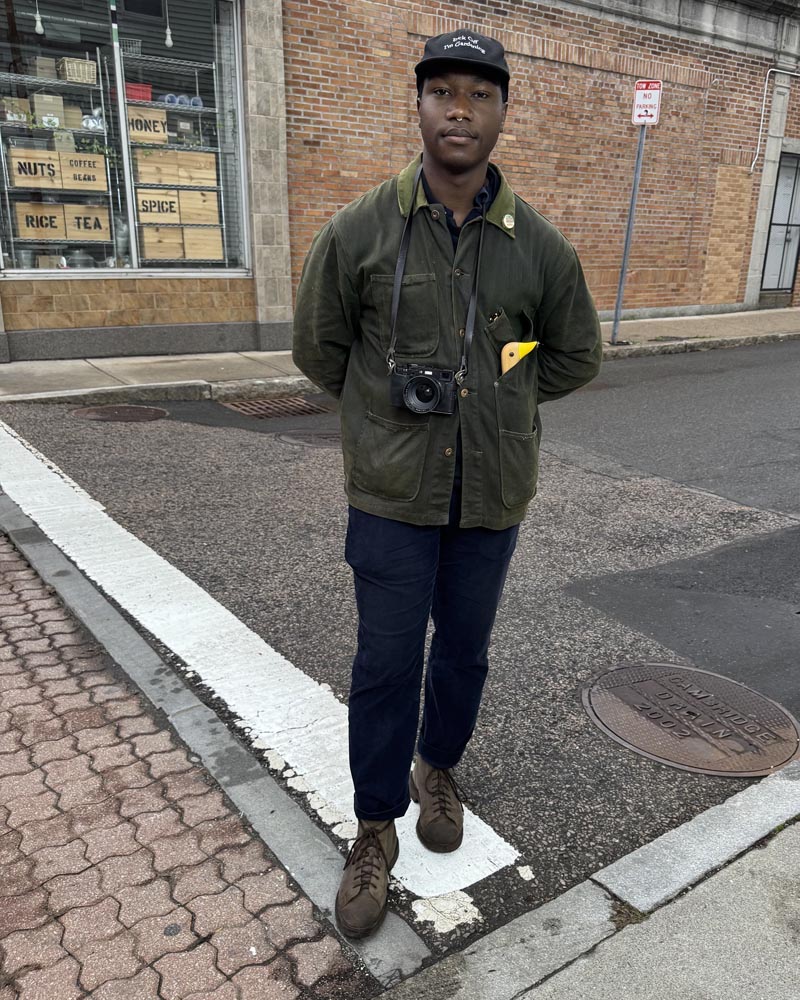
Portrait of Jamil Fatti
Stay up to date with Jamil Fatti
Website jamilfatti.com
Instagram @jamilfatti