Photographer based in Chengdu, Sichuan, China
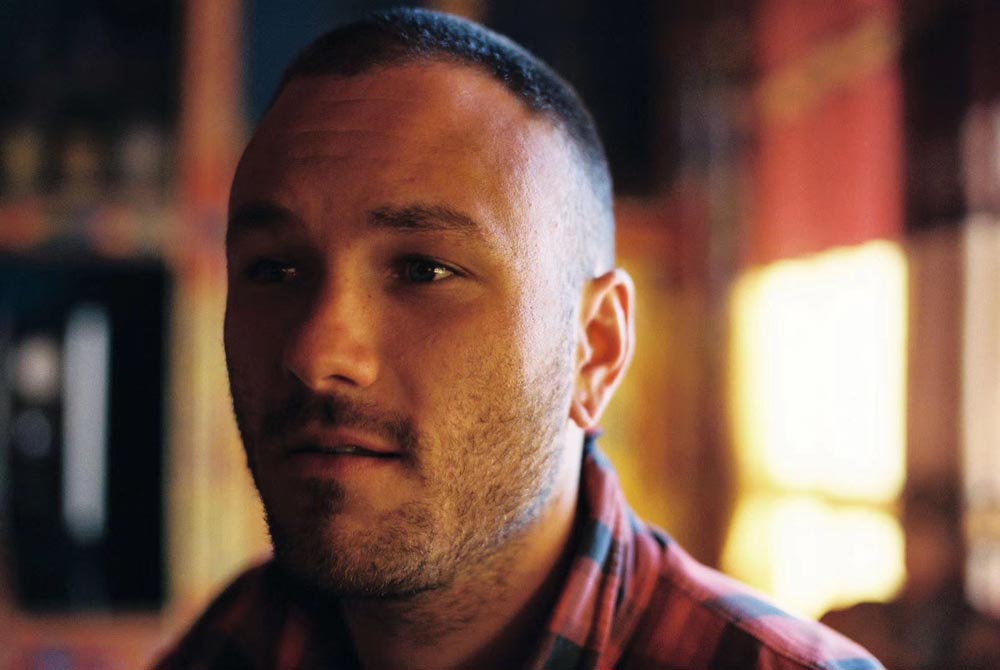
Portrait of the photographer by Joey Schultz
Tell us about yourself, what's your background?
I was born and raised in upstate New York and moved to China after graduating from college in 2011. Music was my first creative outlet. I played in rock bands for most of my life, but around 2015 I began developing tinnitus and realized I needed to find a different creative outlet. About six months after I stopped playing, I went on a weekend trip to the mountains outside of Chengdu, near Dujiangyan, with some friends. On a whim, a friend handed me his Canon Powershot and suggested I take a few photos. It was probably the first time I had ever held a camera with any real intention. Something clicked that weekend. I came back home, bought a camera of my own, and haven’t really put it down since.
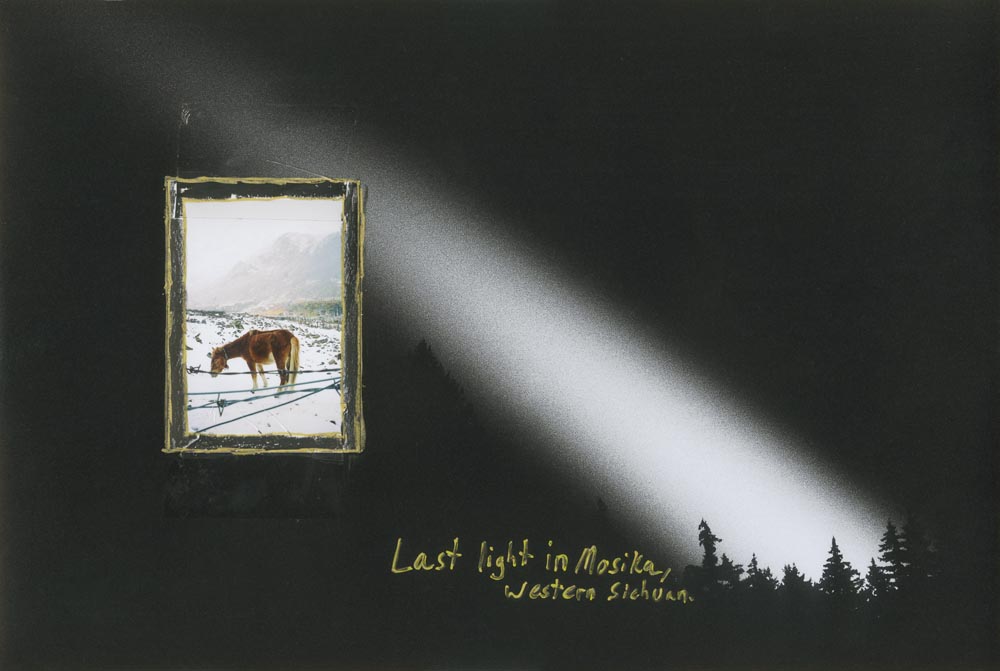
Mosika Collage, 2026.
“I’m interested in how images change over time, and how meaning shifts when photographs are placed in conversation with one another. Rather than treating an image as a finished object, I’ve become increasingly interested in revisiting, altering, and reinterpreting photographs years after they were made . . . these experiments have opened up new ways of thinking about memory, place, and my own relationship to the work.”
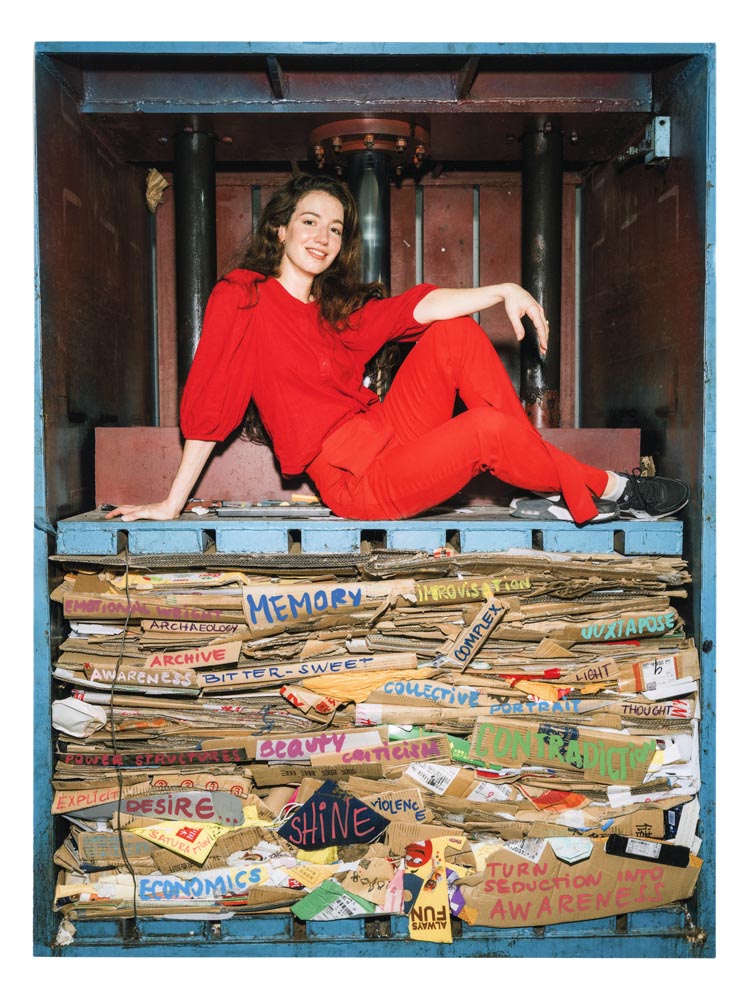
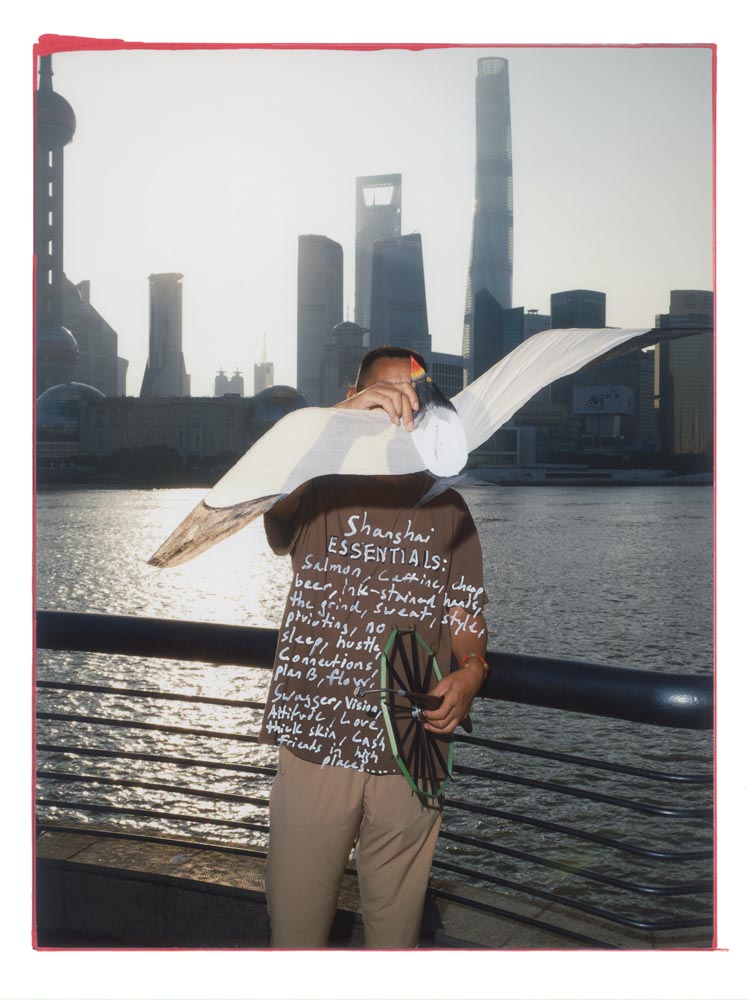
Left: Artist Elisa Insua, from the series In Transit In Translation, 2026. Right: Man on Bund with Bird, from the series In Transit In Translation, 2026.
What are you currently working on and where did the inspiration for it come from?
I’m usually working on three or four bodies of work at the same time. I’ve never been particularly good at finishing projects quickly. Most of the subjects I photograph are things I find myself returning to over and over again, sometimes for years.
For almost eight years now, I’ve been photographing bluestone miners in the Catskills of upstate New York. My father, grandfather, and much of my family worked in the industry, so it’s a story I grew up inside of. Every time I return home, I add another small piece to it. What began as an attempt to understand my own family has gradually expanded into a broader exploration of labor, memory, and the disappearance of working-class communities. At this point, I feel like I could spend the rest of my life working on it and still find something new.
In China, I continue to work with a Tibetan country doctor I first met several years ago. What began as a documentary project has evolved into a genuine collaboration and friendship. We’ve built the work slowly, without deadlines or expectations about when it should end. Both of us enjoy the process as much as the photographs themselves, and that has given the project room to grow in unexpected directions.
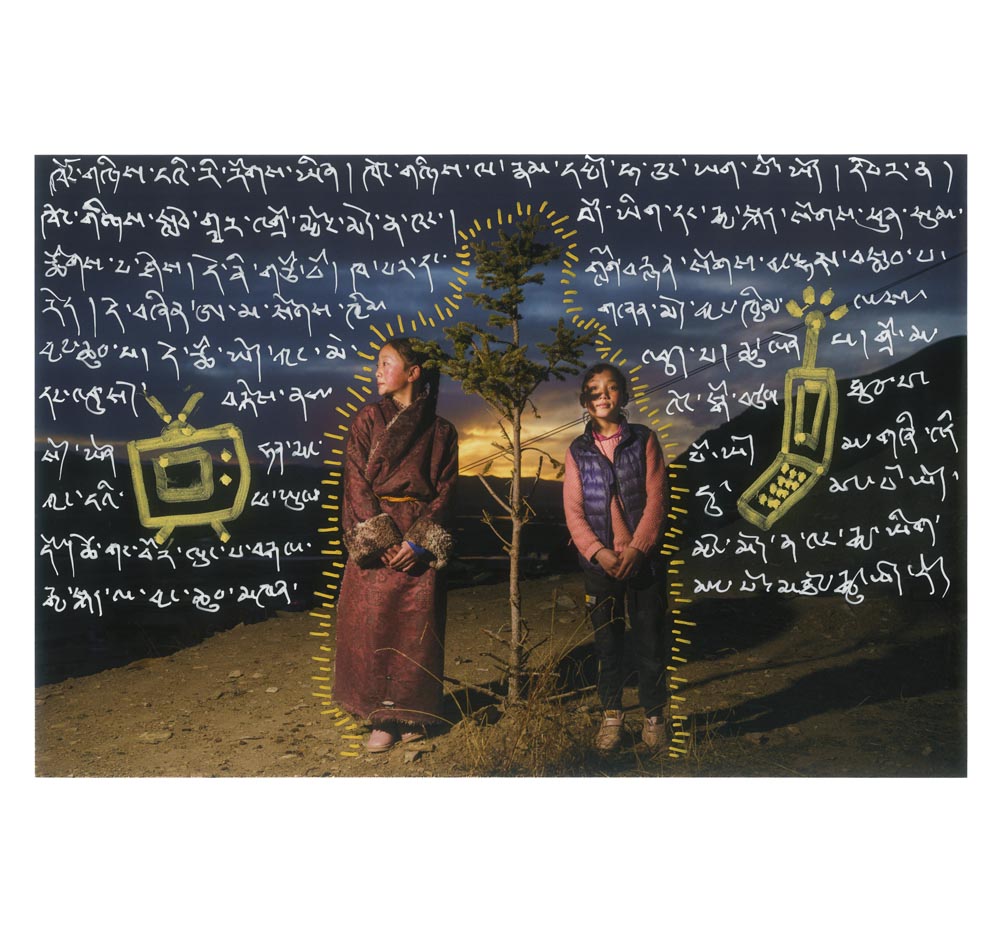
"These two are children from my extended family. They never attended school or traveled far, yet they’re naturally bright—teaching themselves Tibetan and Mandarin through phones and television. Responsible and kind, they take on all the household work, carrying their family with quiet strength. In my hometown, children like this are not uncommon."
Alongside these longer-term projects, I’m constantly photographing everyday life. Street photography has become a way of staying attentive to the world around me. More recently, I’ve begun expanding beyond photography, incorporating collage, painting, archival material, and older photographs into new works. I’m interested in how images change over time, and how meaning shifts when photographs are placed in conversation with one another. Rather than treating an image as a finished object, I’ve become increasingly interested in revisiting, altering, and reinterpreting photographs years after they were made. In many ways, these experiments have opened up new ways of thinking about memory, place, and my own relationship to the work.
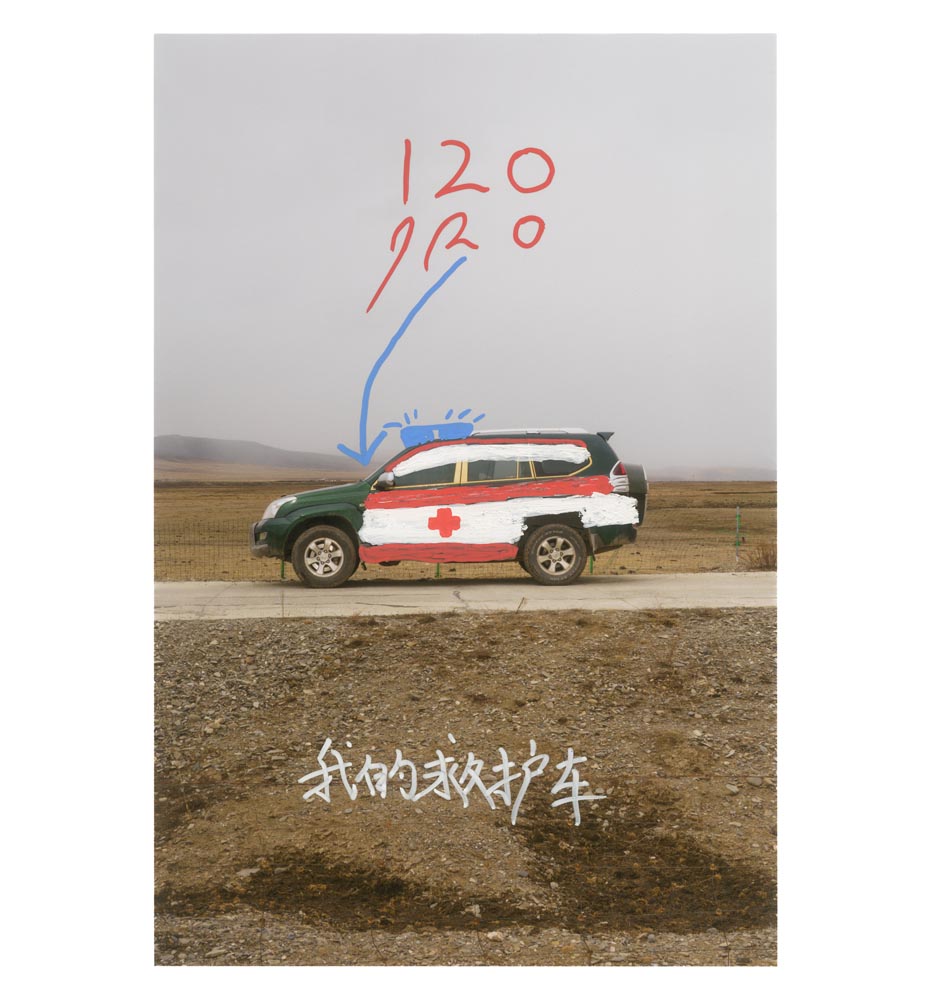
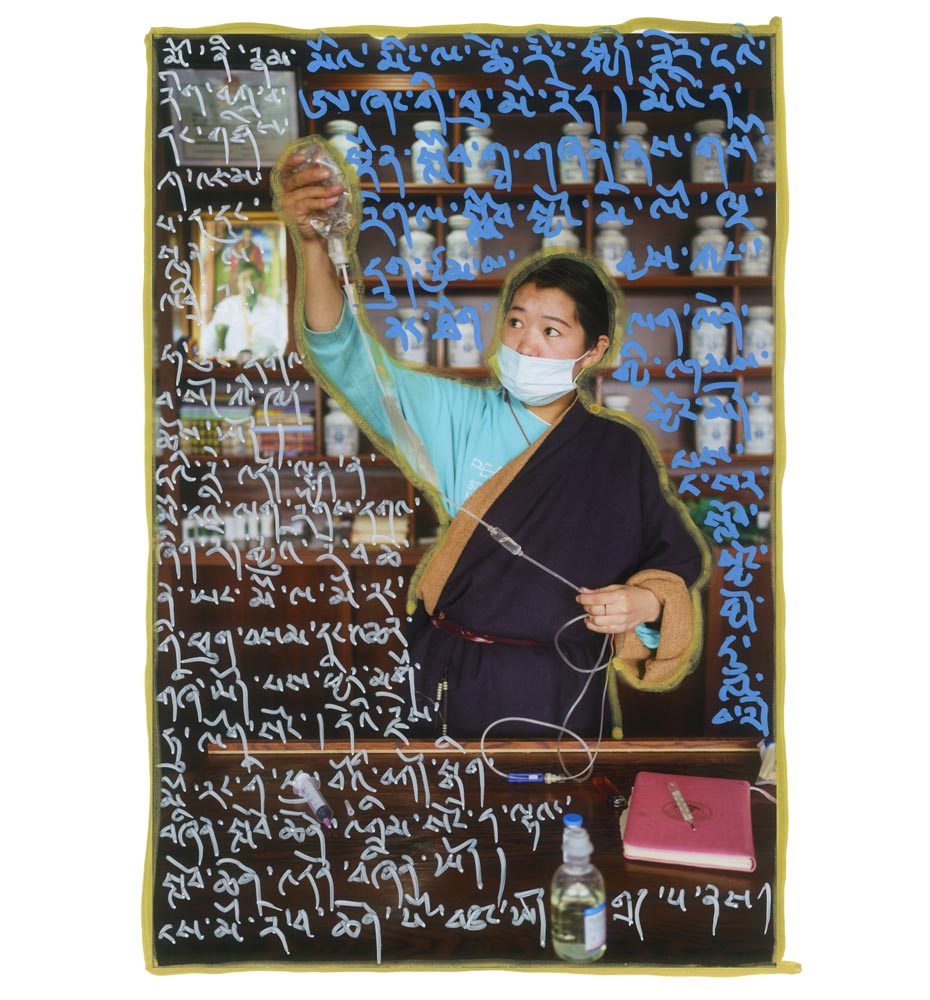
Left: "My ambulance." Right: "Her name is Zerenji. She’s my uncle’s child. She had previously studied Tibetan medical theory for five years at another school, but lacked clinical experience and wasn’t yet skilled at identifying herbs or preparing Tibetan medicine, so she came to stay with me—helping out while learning through hands-on practice. Unfortunately, not long after, she was accepted into university and ultimately chose not to continue on the path of Tibetan medicine, instead studying Tibetan calligraphy. She’s very intelligent, and I’ve always felt a sense of regret that she wasn’t able to continue learning medicine."
Innovation does not only happen in the field of technology, how does it occur within your practice?
I’m inspired by the way people move through the world. My family, my wife, my friends, and the people I meet through my work are a constant source of curiosity for me. I’m interested in how people make meaning out of their lives, how they express themselves and their culture, and how they navigate joy, grief, work, love, and uncertainty.
More than anything, photography taught me how to pay attention. Before I picked up a camera, I don't think I was particularly observant. I wasn't good at focusing on one thing for too long. Photography gave me a reason to slow down and look. It taught me to remain open to the world, to approach everyday life with curiosity rather than assumption. I try to hold onto that mindset as much as possible. There is something powerful about approaching life with the attention of a child—being surprised by things, asking questions, accepting contradictions, and remaining open to experiences rather than immediately categorizing them. For me, that state of curiosity is closely tied to gratitude. The more attention I pay, the more interesting the world becomes.
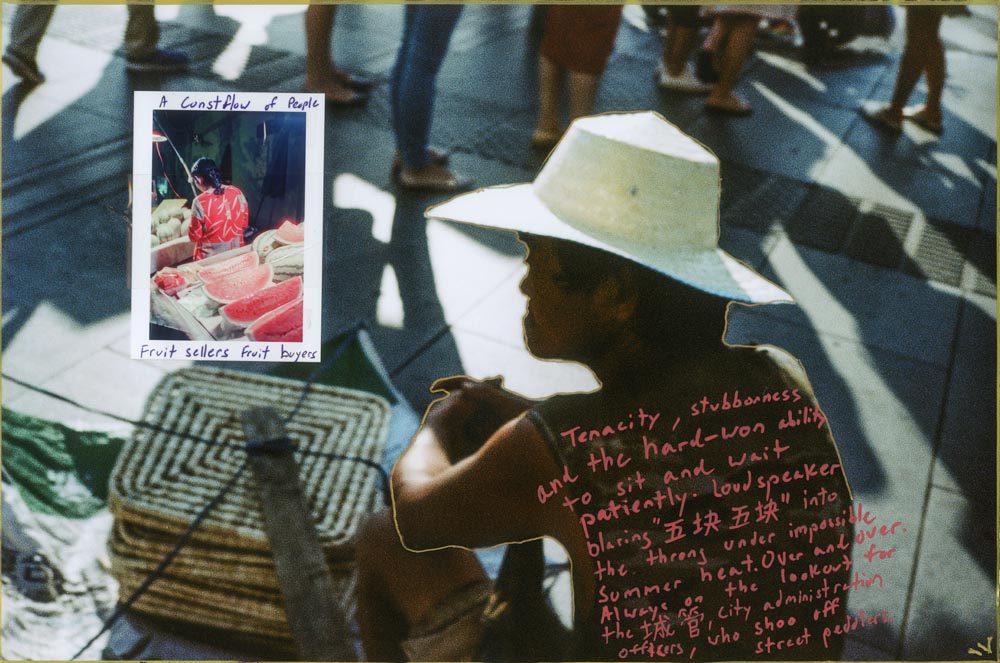
Street Vendor Collage, 2026.
I'm also deeply inspired by communities and cultures, and the countless ways they manifest themselves in everyday life. Much of my work begins with observing small things—a ritual, a gesture, a way of speaking, the way people gather around food, religion, labor, or celebration. These details may seem ordinary, but they often reveal something much larger about how people understand themselves and their place in the world.
Of course, I'm also inspired by other artists. I spend a lot of time looking at the work of photographers, filmmakers, painters, and writers. Artists like Raymond Pettibon, Kanrapee Chokpaiboon, David Lynch, Feng Li, Rafał Milach, and Ben Mullinkosson have all influenced the way I think about image-making recently. I probably consume more books, exhibitions, films, and photobooks than is healthy. But I think inspiration rarely arrives as a single moment or idea. More often, it comes from paying attention to the people around you and remaining open long enough for something unexpected to happen.
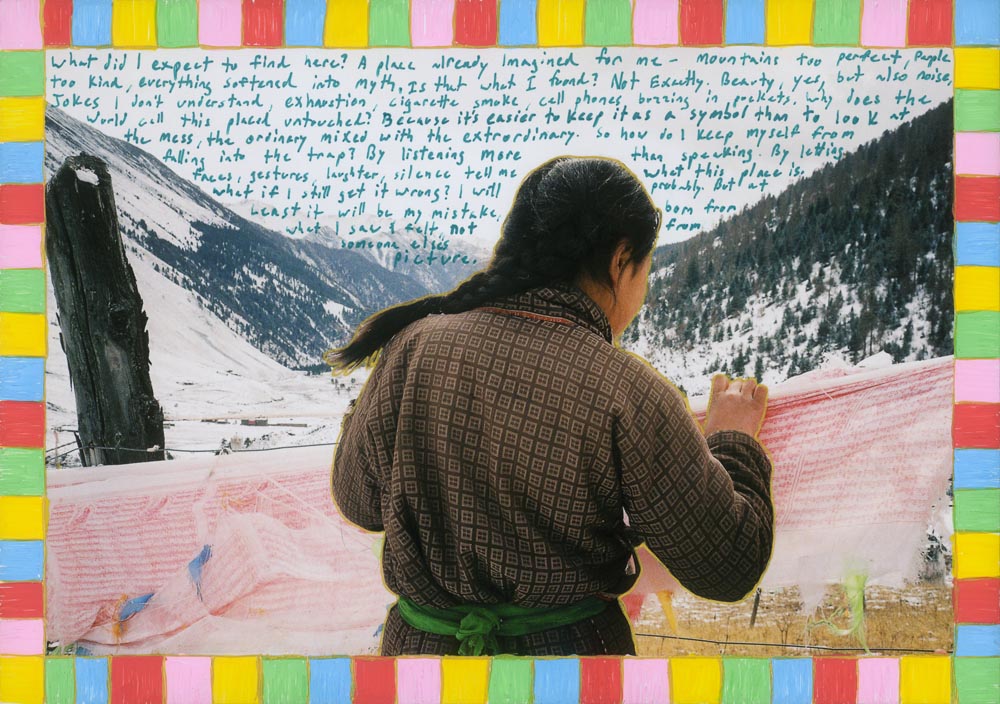
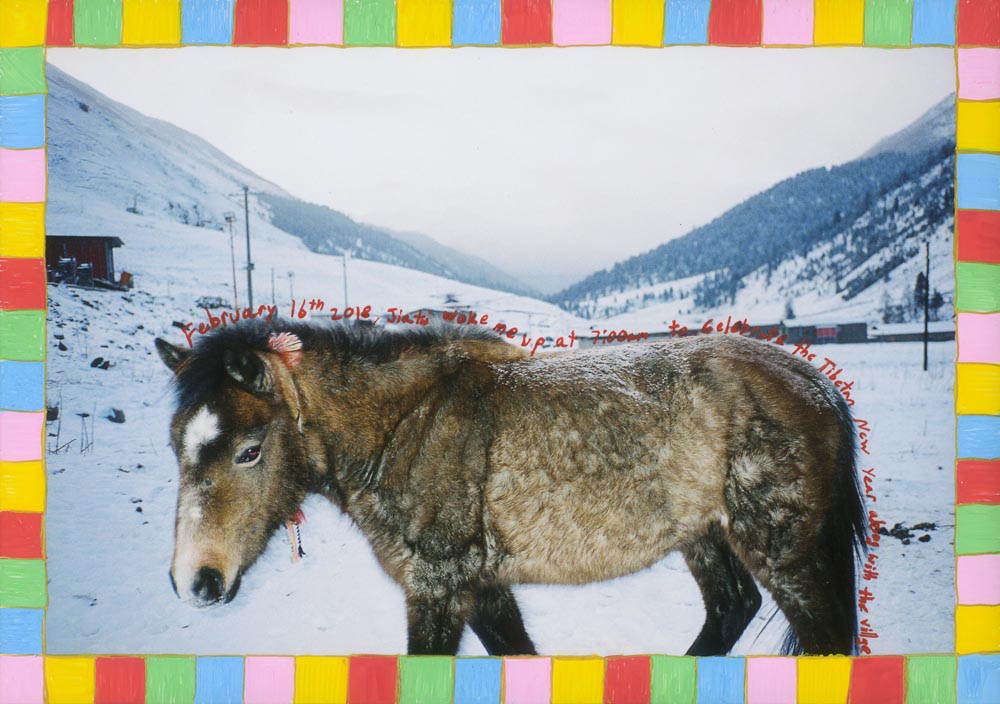
Top: Girl on Mountain, 2026. Bottom: Horse on Mountain, 2026
Where do ideas start for you?
A lot of my ideas come from being physically present somewhere and responding to what is happening around me. I rarely start with a fully formed idea. More often, I become interested in a person, a place, or a community and keep returning until story begins to reveal itself. The camera is usually the last thing I'm thinking about at first. I'm more interested in the idea, understanding how people live, how relationships are formed, and how larger social, cultural, and historical forces shape everyday life. The photographs tend to emerge from that process rather than the other way around.

Papacton Reservoir After Storm, from the series Heart of Stone, 2015 - ongoing.
A lot of my work comes from the fact that I am a foreigner living in a country and culture that is not my own. That is something I am constantly trying to reckon with. There is a long history of foreigners with cameras entering other places, taking photographs, and producing one-sided stories about people they may not fully understand. I don’t think that problem disappears just because someone is aware of it, but I do think awareness can change the way you work. For me, the question is not only what I am photographing, but why I am photographing it, what position I am speaking from, and who gets to participate in the meaning of the work.
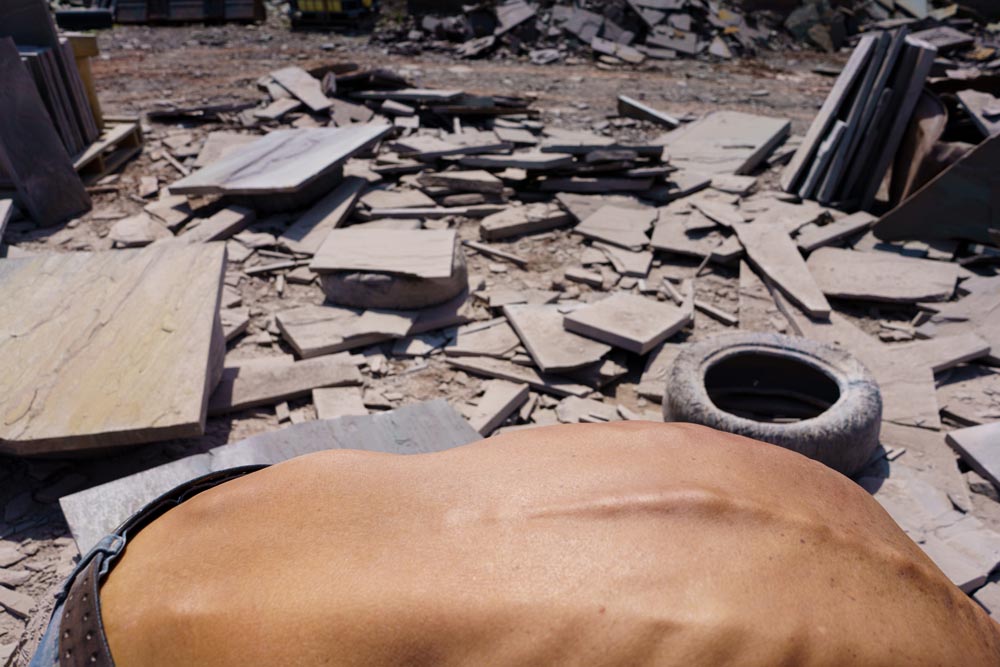
Stonecutter's Back, from the serie Heart of Stone, 2015 - ongoing.
Because of that, my practice has become increasingly collaborative. I’m interested in creating situations where the subject is not simply observed, but is able to shape the work itself. That might happen through interviews, handwritten notes, shared edits, archival material, or simply through years of conversation and trust. I want the work to contain my perspective, but not only my perspective. I’m less interested in photography as a definitive record and more interested in photography as a space where multiple voices can exist at once.
“The studio” enters later. That is where I begin to understand what I’ve made. Editing, sequencing, writing, painting, and collage become ways of thinking through the images. Sometimes a photograph doesn't fully reveal itself until years later, when it is placed beside another image, a text, or a fragment of archive. The work begins in the world, but it evolves through reflection. Much of my process is simply trying to understand what I have experienced and what responsibility comes with turning those experiences into photographs.
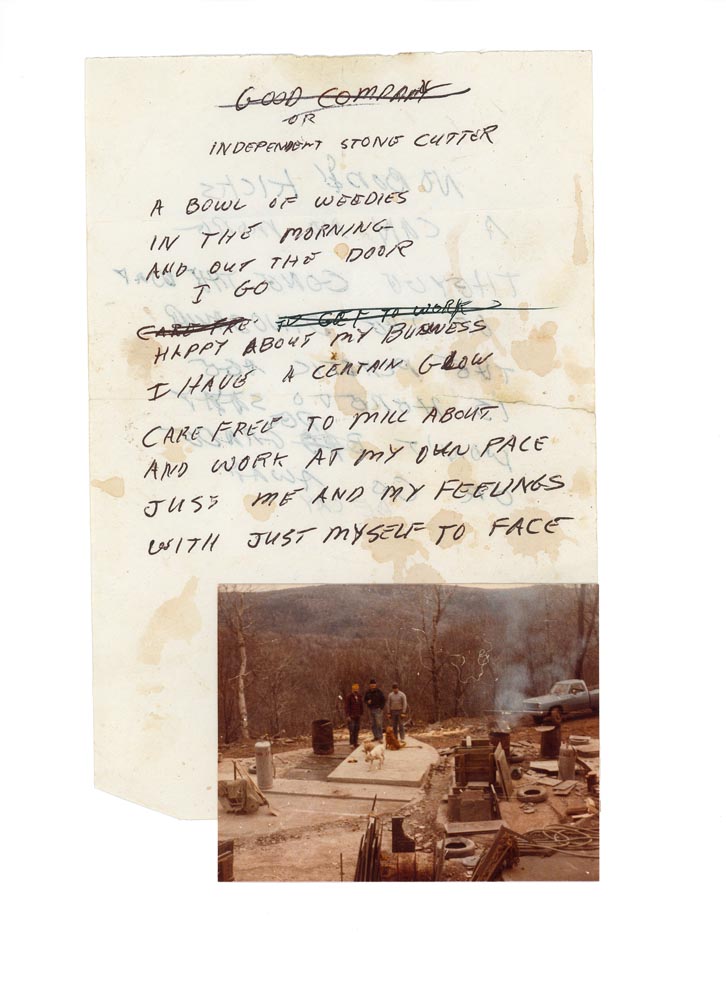
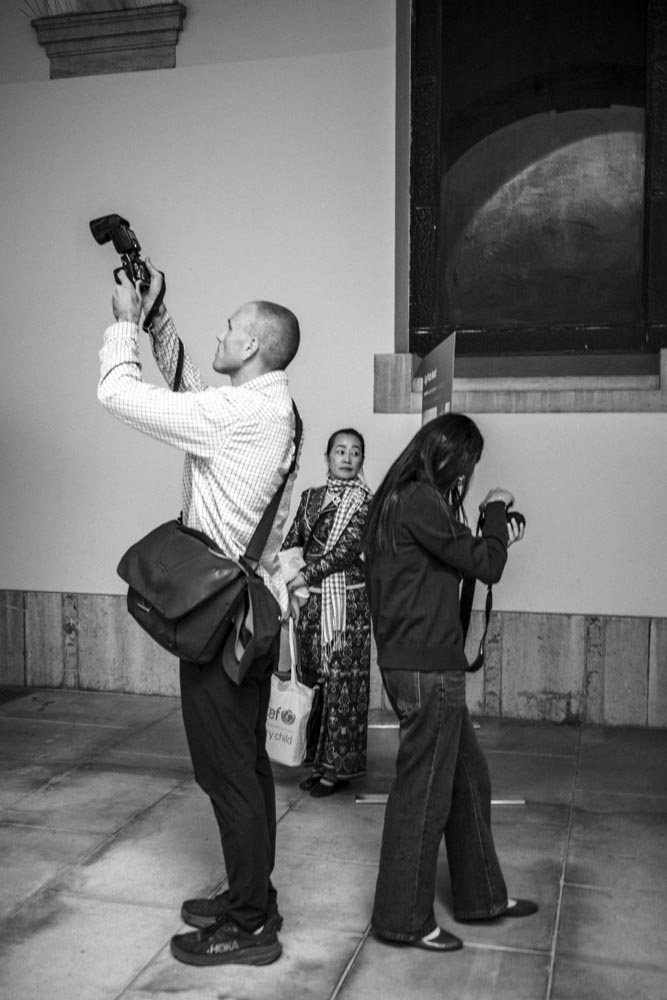
Left: Poem by Bluestone Miner, Downsville, New York, 2024. Right: Portrait of photographer by Antti Yrjönen
How do you make your work, does it start with a sketch?
Most of my work starts with research, conversations, wandering, reading, and spending time with people. Sometimes I'll have a rough idea of what an idea could become, but more often I'm discovering the work as I go. I tend to think-through-making rather than planning. The act of photographing, editing, writing, printing, and revisiting images is how I figure out what I actually think.
As for style, I've always been a little suspicious of it. I think photographers can become trapped by their own visual language. Once you find something that works, there is a temptation to repeat it. I'm much more interested in experimentation. Photography is such a broad medium that I don't see any reason to approach every project in the same way. Some projects require collaboration, others require observation. Some become books, some become installations, some evolve into collage, painting, writing, or something else entirely.
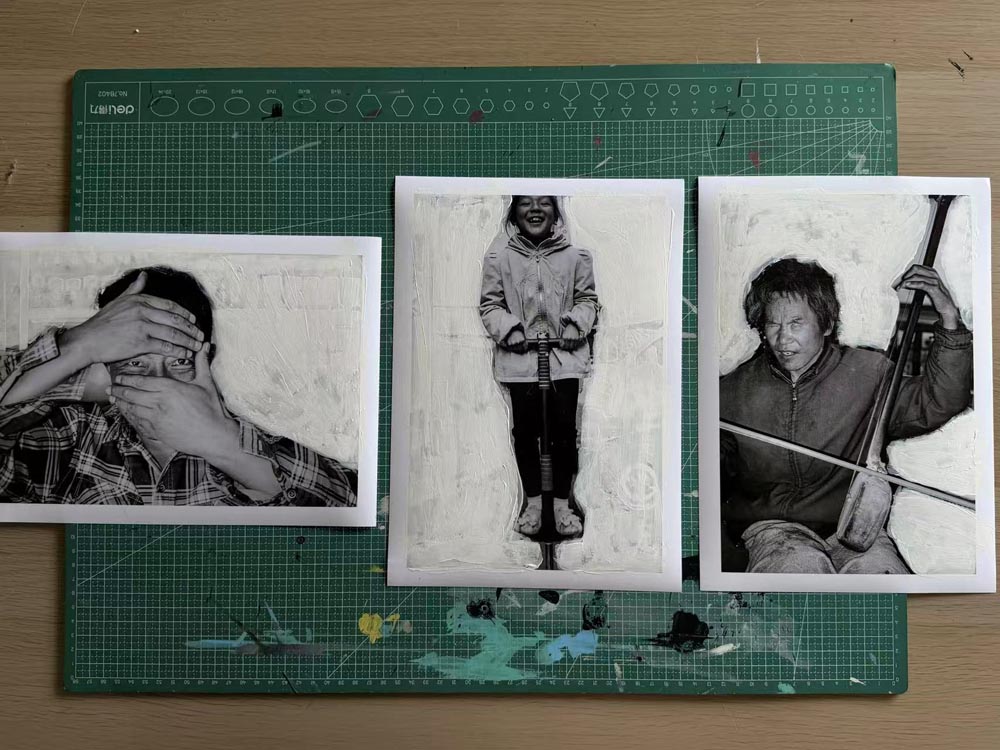
Home Studio, 2026.
I try to stay as far away from a fixed style as possible. I'm constantly looking for new approaches, applying creative constraints, collaborating with other artists, and placing myself in situations where I'm not entirely sure what I'm doing. That uncertainty is important to me. It's where growth happens. I would rather make mistakes while trying something new than spend years repeating a formula that has already become comfortable. It keeps my practice fresh and enjoyable that way.
At the same time, I don't think it's possible to completely escape yourself. The longer I make work, the more I believe that the "you" in the photographs emerges naturally through continuous practice. Your interests, obsessions, experiences, and questions inevitably leave their mark on the work. So rather than searching for a style, I try to stay curious. If you keep looking, experimenting, and making things, voice will reveal itself on its own.
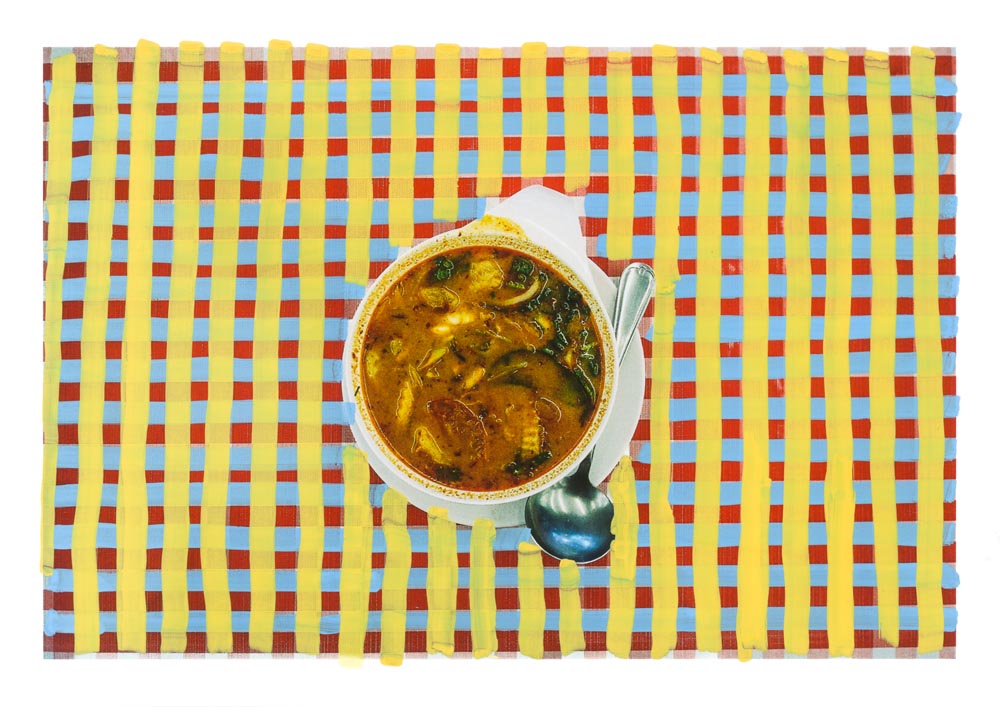
Tom Yum soup, 2026
Many artists live by their routines and rituals, what does yours look like?
I don't really have a strict studio, or work, ritual. My life tends to move in cycles. There are periods of intense work where I'm traveling, living somewhere unfamiliar, and photographing every day for weeks or months at a time. Then there are quieter periods where life feels much more ordinary. But even during those moments, creativity never really disappears. I'm still paying attention, collecting ideas, making notes, reading, editing, or simply observing the world around me.
One of the things documentary photography has taught me is the importance of flexibility. Life is unpredictable, and many of the best opportunities arrive unannounced. A project may reveal itself through a chance encounter, an invitation, a relationship, or simply being in the right place long enough for something meaningful to happen. You have to be ready to chase that spark once you recognize it.
Who are your biggest influences?
Andy Morris, my high school English teacher. He convinced me that the world was much bigger than the one I knew.
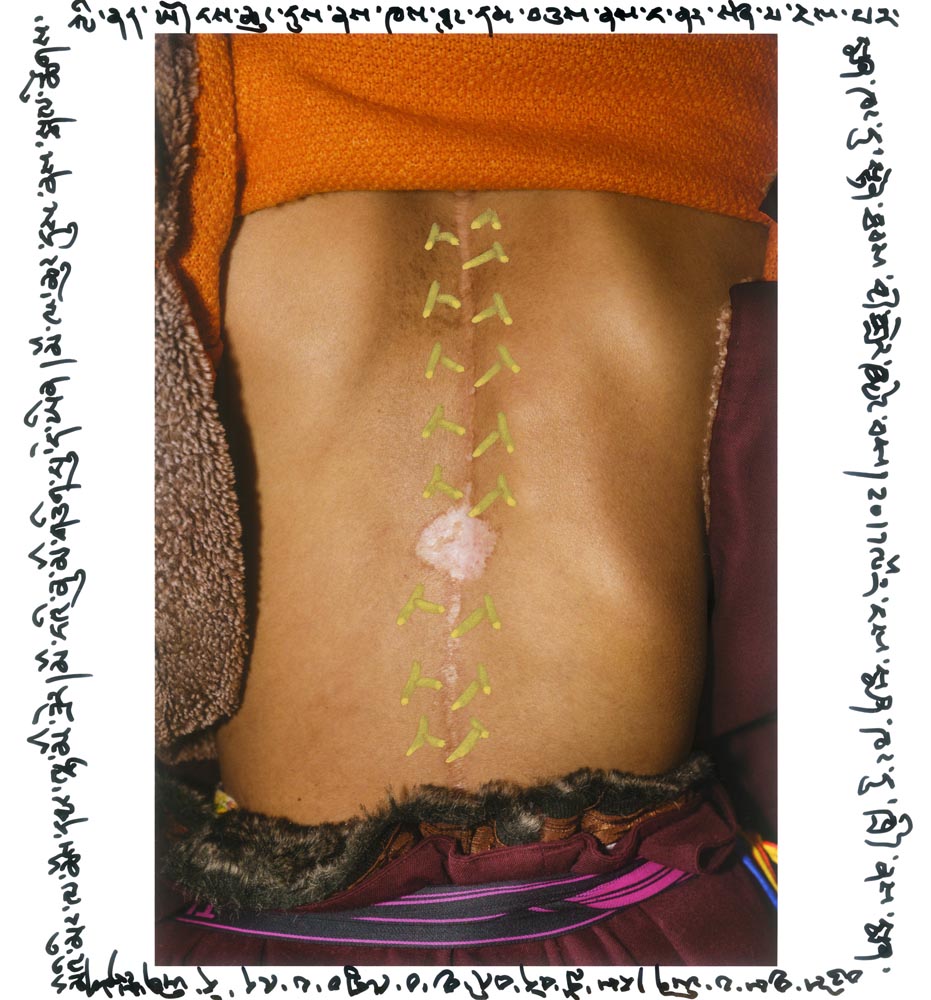
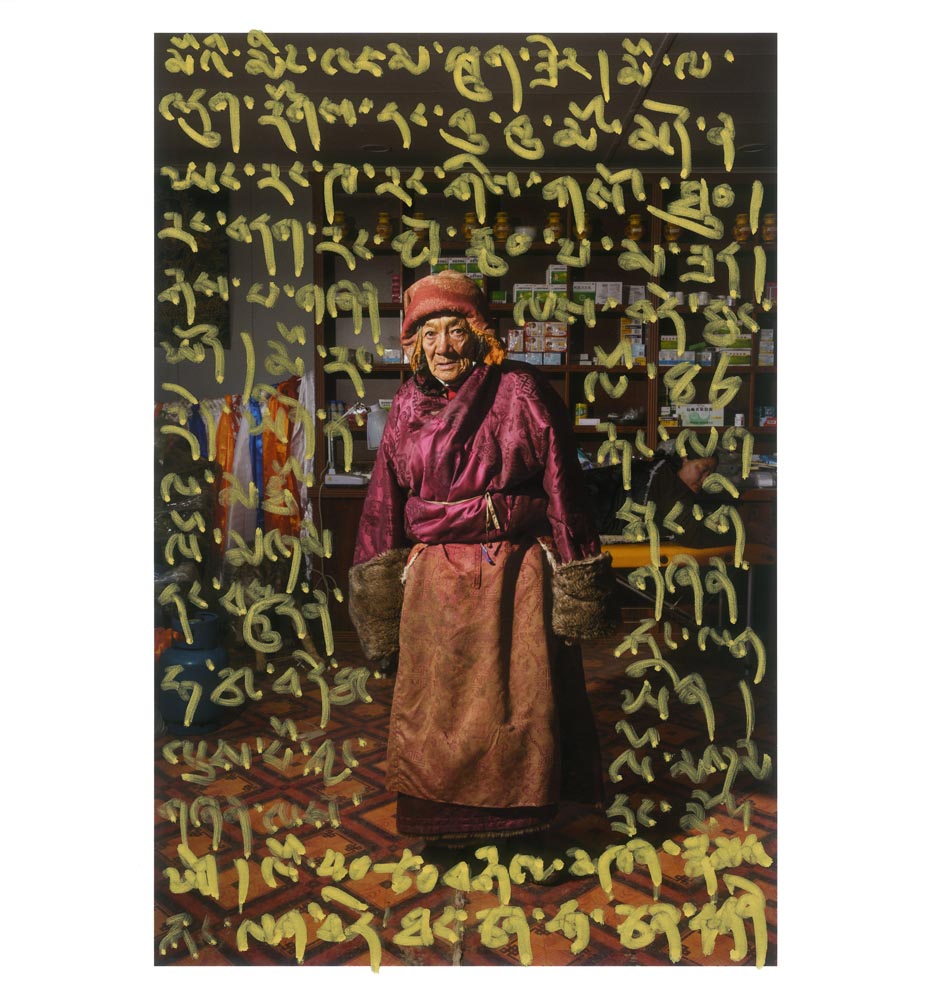
Left: "Her name is Choeyang Lhamo, my one and only sister, who has had spinal problems since she was a child. I promised that once I grew up, I would take her to a city hospital for treatment. In 2017, I brought her to the hospital and she received treatment. This, too, is something I fulfilled with a sense of contentment." Right: "She is 86 years old and has no children. Fortunately, she is in remarkably good health—fully independent, walking faster than many others, and even stronger than some people much younger than her. Having no children yet enjoying such vitality feels like a kind of blessing bestowed by fate."
Are there books or films that are an important source of inspiration?
Reading and writing have always been important parts of my practice, although these days I probably write more than I read. I keep a journal and record observations, ideas, fragments of conversations. It's a habit I picked up while studying at the Salt Institute for Documentary Studies in Maine, and I've never really stopped. When I first began journaling, it felt like a way of untangling the confusion in my head. Now it's become a way of making sense of the world. Photography helps me pay attention, but writing helps me understand what I'm paying attention to.
One of the books I've read recently is South and West by Joan Didion. I've always admired the way she observes. Her writing feels incredibly precise—simultaneously detached and deeply personal. She has a way of noticing small details and allowing them to reveal something much larger about a place, a culture, or a moment in history. There is an emotional accuracy to her work that I find inspiring. Reading her reminds me that observation is not passive. It requires patience, attention, and a willingness to sit with uncertainty.
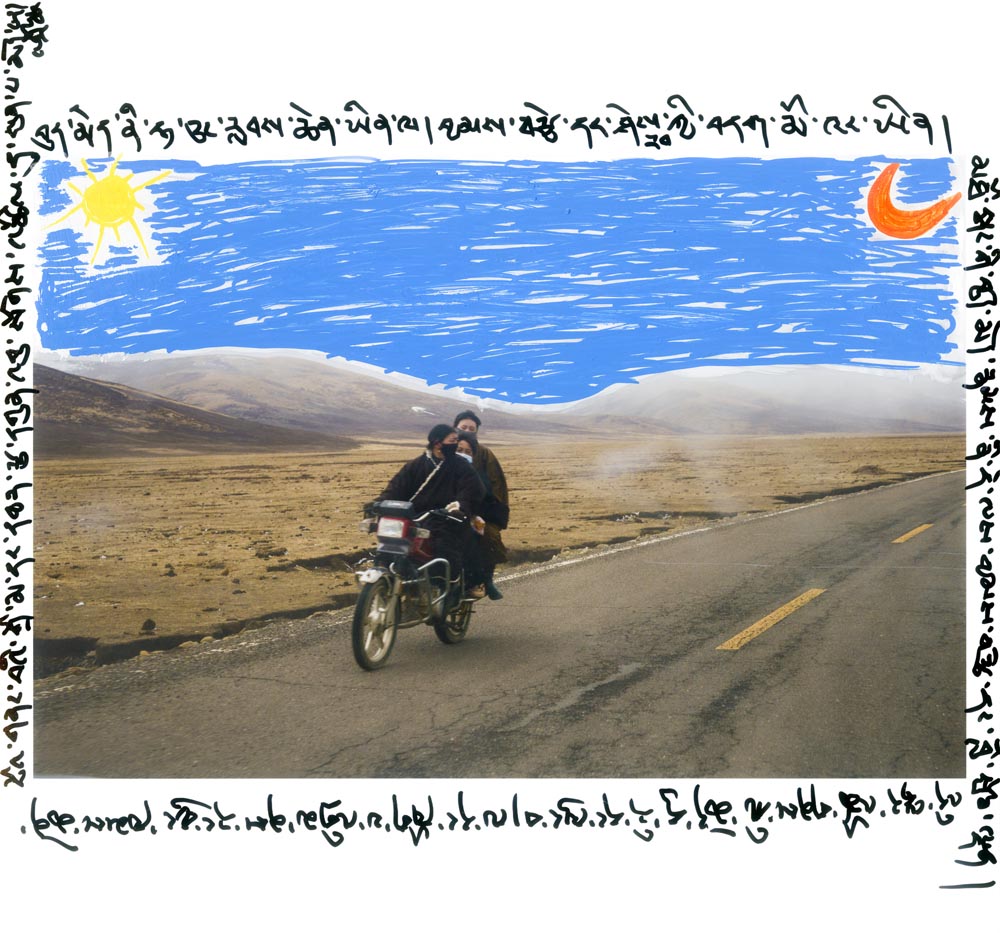
"Women are extraordinary—especially women on the plateau. They care for their children, take on all the household work, and still ride motorcycles into the mountains to dig for caterpillar fungus, fritillaria, rhodiola, and other precious medicinal plants. Inside the home and out, everything rests on their shoulders. They are truly remarkable."
What’s the best piece of advice you’ve been given?
"Don't ever give up." It's just something that everyone says to each other, but I like it. I know it's corny, but It's a mantra that has seen me through a lot of dark times in my life.
What is the best advice you would give to other artists?
Don't ever give up! Just don't do it. If you love something, let it take you over completely and forever. Drink Water! Wear good shoes! Get good sleep!
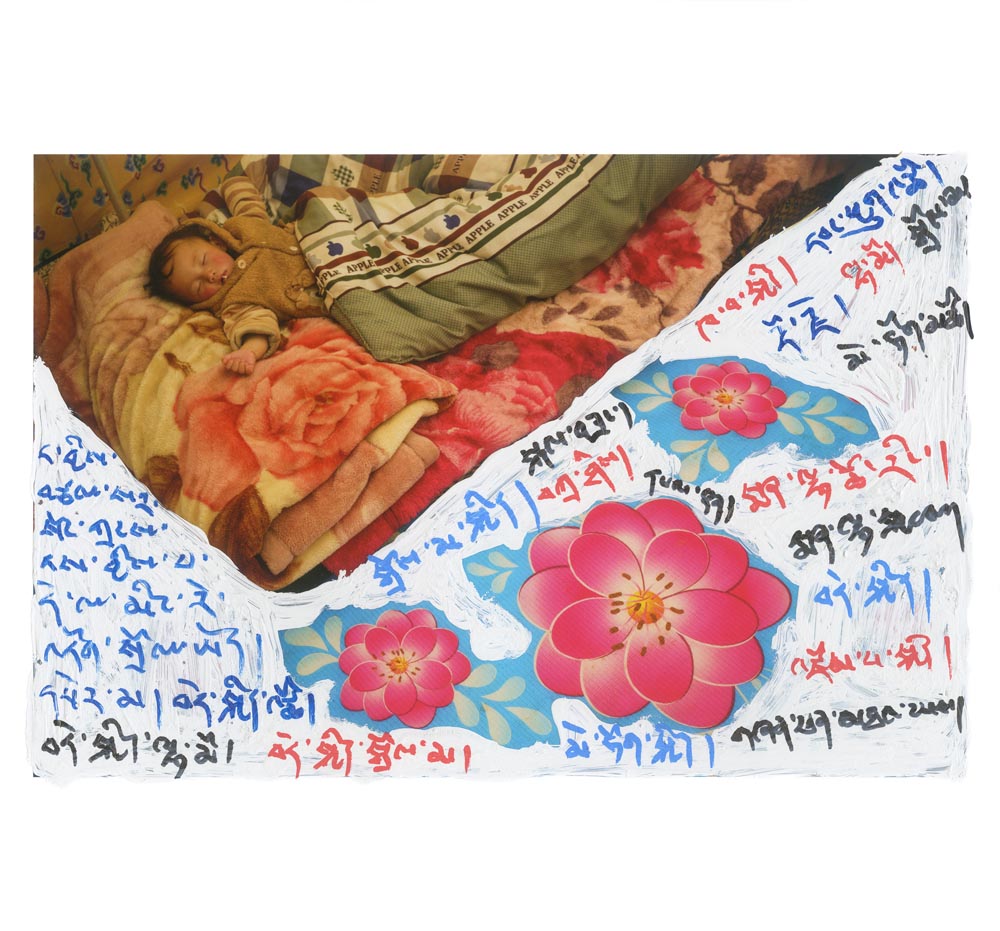
"Every time I help deliver a child, I give them a name. All of the names begin with “Deji.” Deji means happiness, and I truly hope these children will grow up happy and joyful. The names written on this image are ones I’ve given in the past—though they are far from all of them."
Stay up to date with Jake Homovich
Website jakehomovich.com