Jake Homovich
Spring 2026 Cycle – Photography
Chengdu, Sichuan, China jakehomovich.com
Tibetan Country doctor
Photography / Mixed Media
Photo Credit: Jake Homovich
Tibetan Country Doctor is a long-term documentary project developed through sustained collaboration with Zhaba Gyatso, a rural Tibetan doctor practicing in western Sichuan’s Garzê Tibetan Autonomous Prefecture. Working far from county hospitals and formal medical infrastructure, Gyatso moves daily between villages, monasteries, and pastoral settlements, providing primary care across disciplines—internal medicine, pediatrics, gynecology, and emergency treatment. His practice operates at the intersection of necessity, trust, and endurance, shaped by geographic isolation, limited resources, and the lived realities of contemporary rural China. The project focuses on medicine not as crisis or spectacle, but as repetition; thirty to forty patients a day, long journeys on mountain roads, delayed treatments, and decisions made without access to advanced facilities. It situates Gyatso’s work within broader structural pressures—distance from state hospitals, economic hardship, uneven implementation of national healthcare systems, and gaps in medical education—while also attending to the social fabric that sustains care: familiarity, patience, and long-term responsibility to a community. Through this lens, the project examines what healthcare looks like when it is embedded in place rather than institution. The photographs are layered with handwritten annotations made directly on the prints by Gyatso himself. Combining contextual accounts and personal reflections with medical notes, these material interventions create space for the agency of the subject in representation and narrativization — documenting in a collaborative, non-extractive mode and positioning authorship as shared rather than singular. The resulting work asks what happens when care providers like Gyatso quietly disappear, and what is lost when local medical knowledge erodes under the pressures of modernization. Tibetan Country Doctor functions as both record and intervention: a portrait of medical practice as lived labor, and a testimony to forms of care that remain essential yet increasingly fragile in contemporary China.
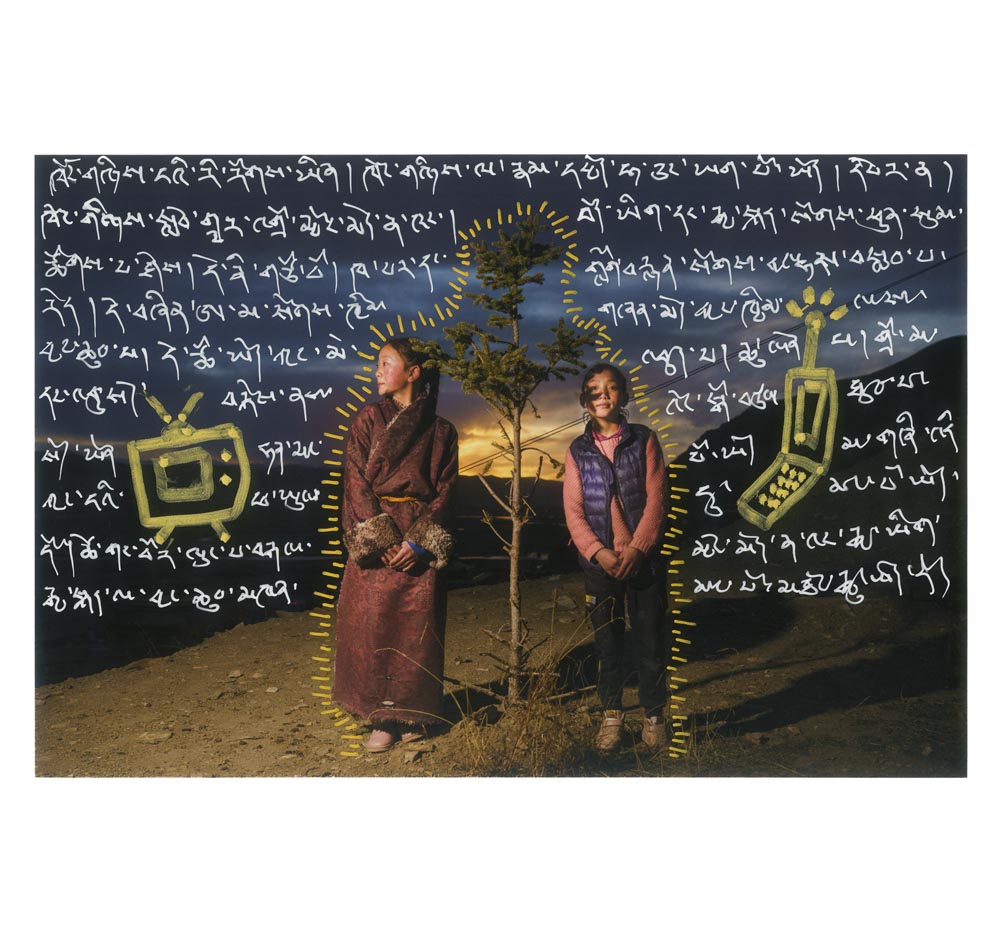
"These two are children from my extended family. They never attended school or traveled far, yet they’re naturally bright—teaching themselves Tibetan and Mandarin through phones and television. Responsible and kind, they take on all the household work, carrying their family with quiet strength. In my hometown, children like this are not uncommon."

"Her name is Zerenji. She’s my uncle’s child. She had previously studied Tibetan medical theory for five years at another school, but lacked clinical experience and wasn’t yet skilled at identifying herbs or preparing Tibetan medicine, so she came to stay with me—helping out while learning through hands-on practice. Unfortunately, not long after, she was accepted into university and ultimately chose not to continue on the path of Tibetan medicine, instead studying Tibetan calligraphy. She’s very intelligent, and I’ve always felt a sense of regret that she wasn’t able to continue learning medicine."
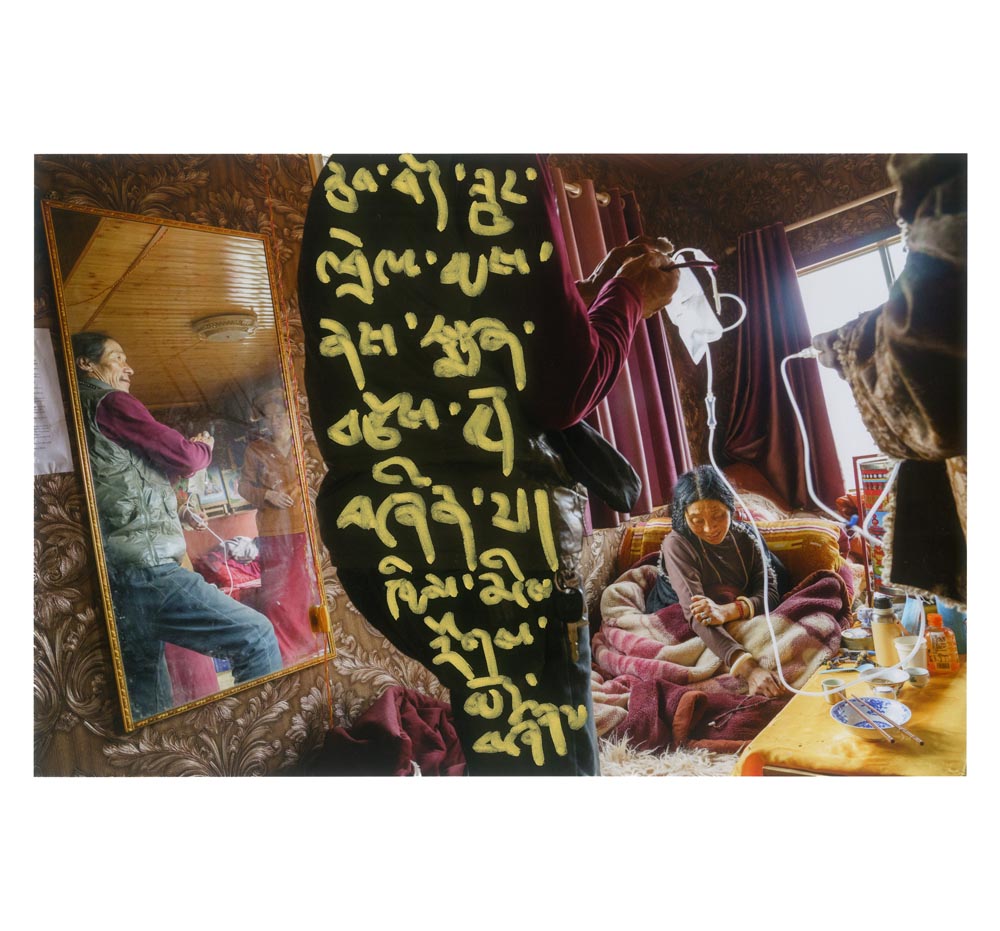
"I will combine traditional Chinese medicine with Tibetan medicine, as well as Western medicine with Tibetan medicine. I will try my best to apply all the knowledge and skills I learn outside to clinical treatment, and truly help patients solve their problems."
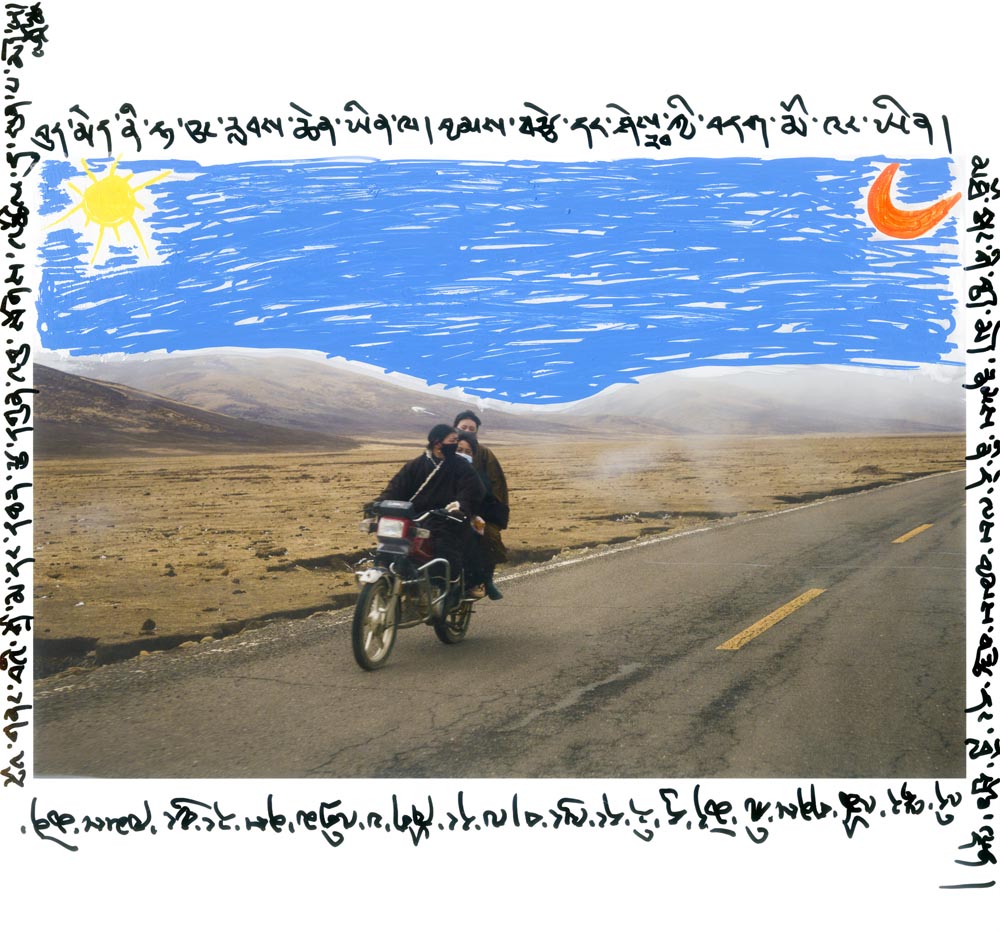
"Women are extraordinary—especially women on the plateau. They care for their children, take on all the household work, and still ride motorcycles into the mountains to dig for caterpillar fungus, fritillaria, rhodiola, and other precious medicinal plants. Inside the home and out, everything rests on their shoulders. They are truly remarkable."
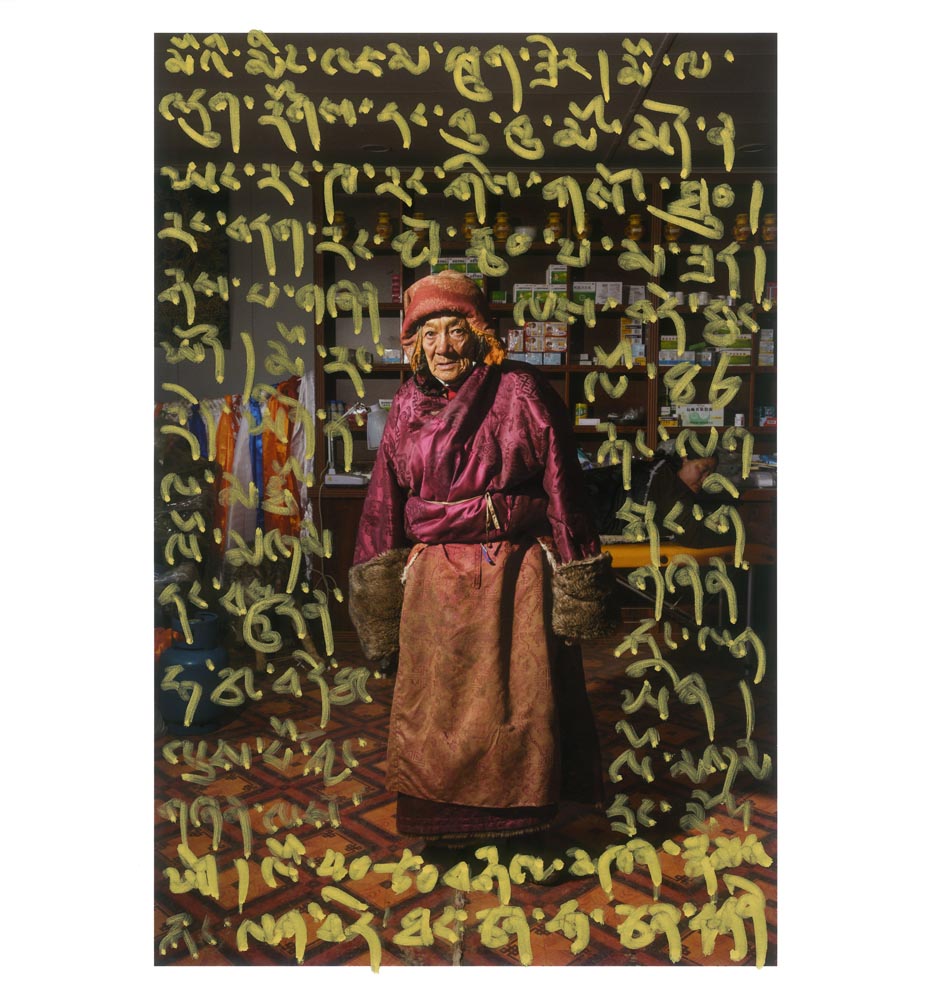
"She is 86 years old and has no children. Fortunately, she is in remarkably good health—fully independent, walking faster than many others, and even stronger than some people much younger than her. Having no children yet enjoying such vitality feels like a kind of blessing bestowed by fate."
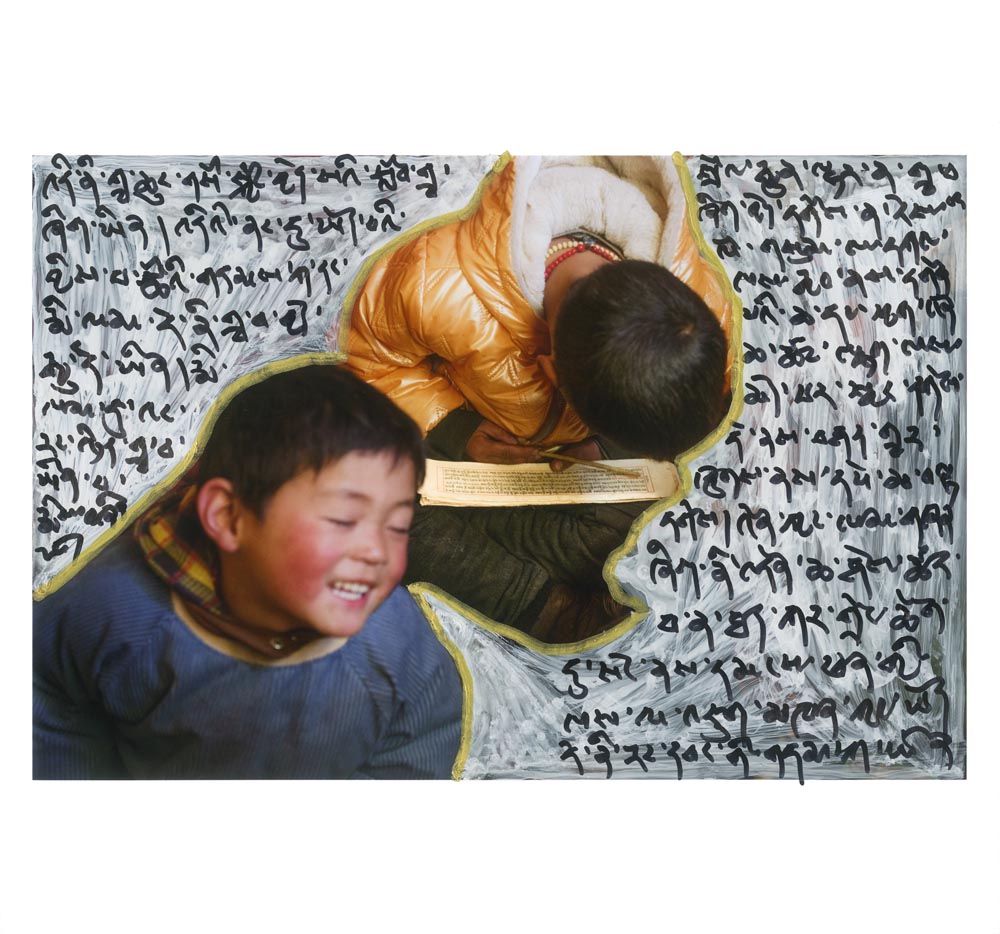
"They are studying the rituals of Tibetan Buddhism, and becoming a lama is their dream. To achieve this, they must first complete at least three solid years of studying Tibetan language and ritual practices; only after passing examinations are they allowed to wear monastic robes. After that, they must enter a Buddhist academy to systematically study the Five Great Treatises and other classical texts—no step in the process can be skipped."
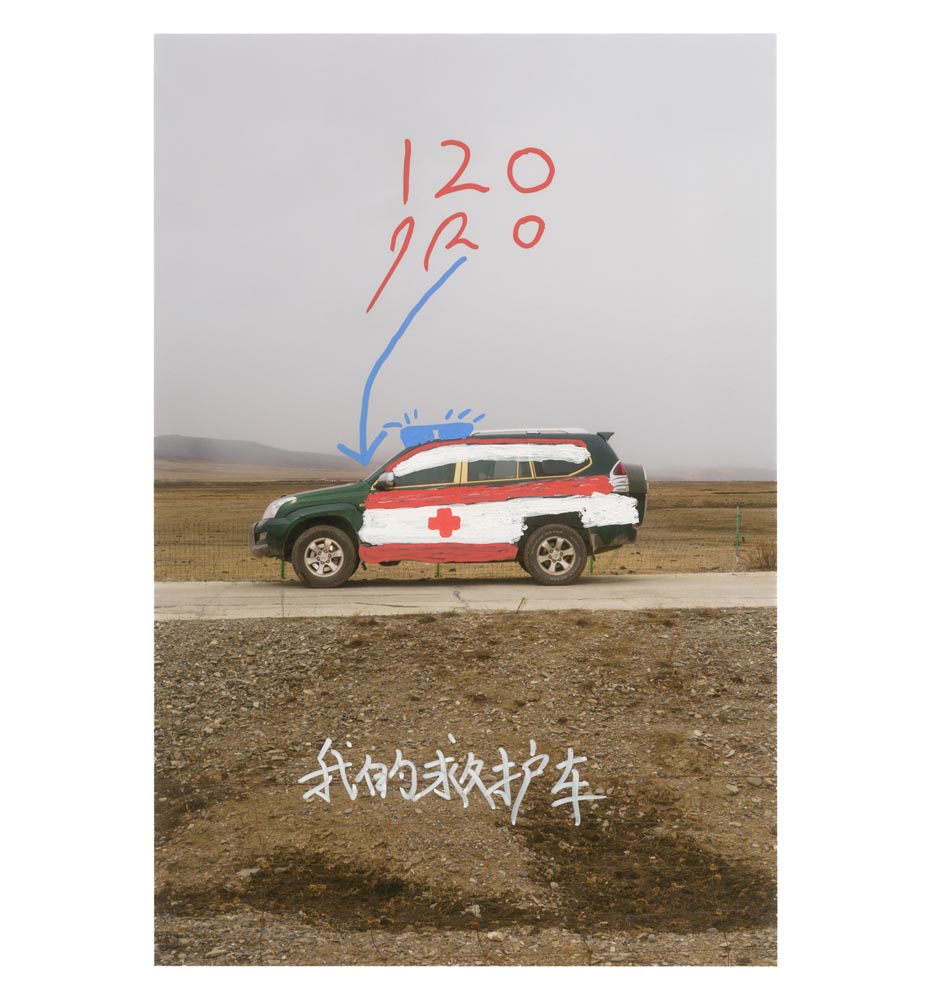
"My ambulance."
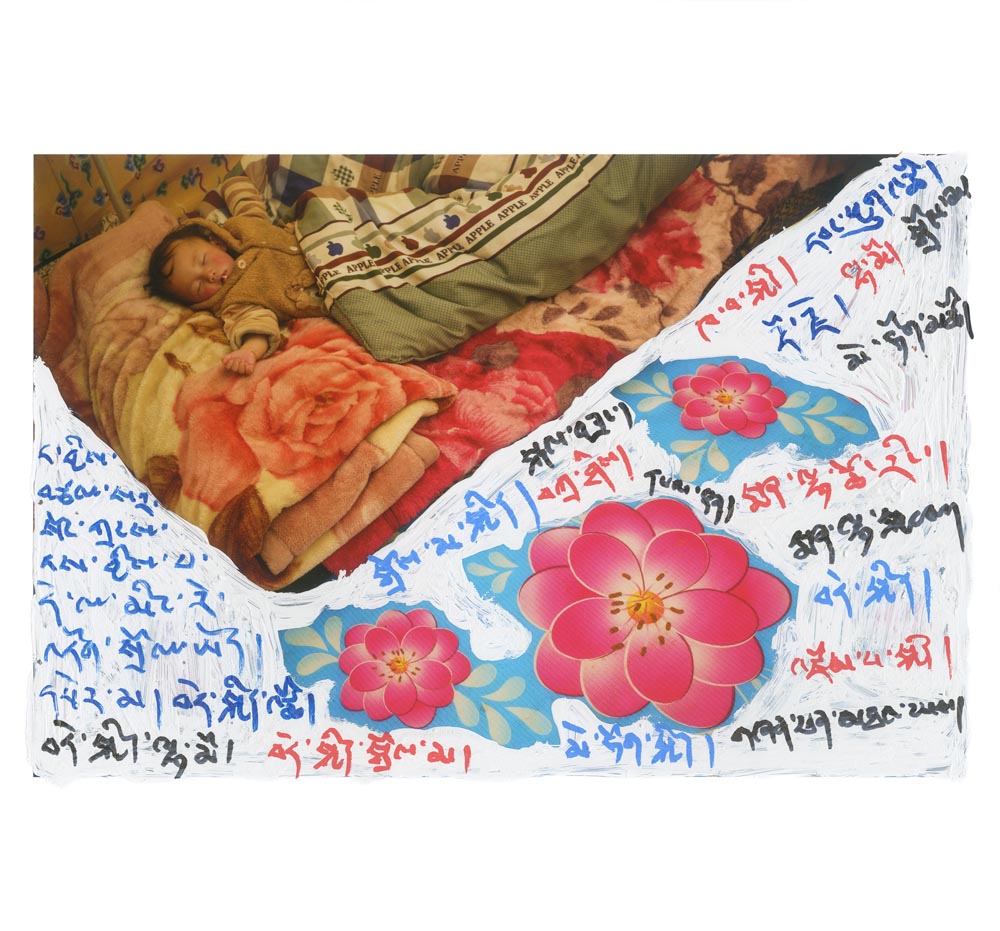
"Every time I help deliver a child, I give them a name. All of the names begin with “Deji.” Deji means happiness, and I truly hope these children will grow up happy and joyful. The names written on this image are ones I’ve given in the past—though they are far from all of them."
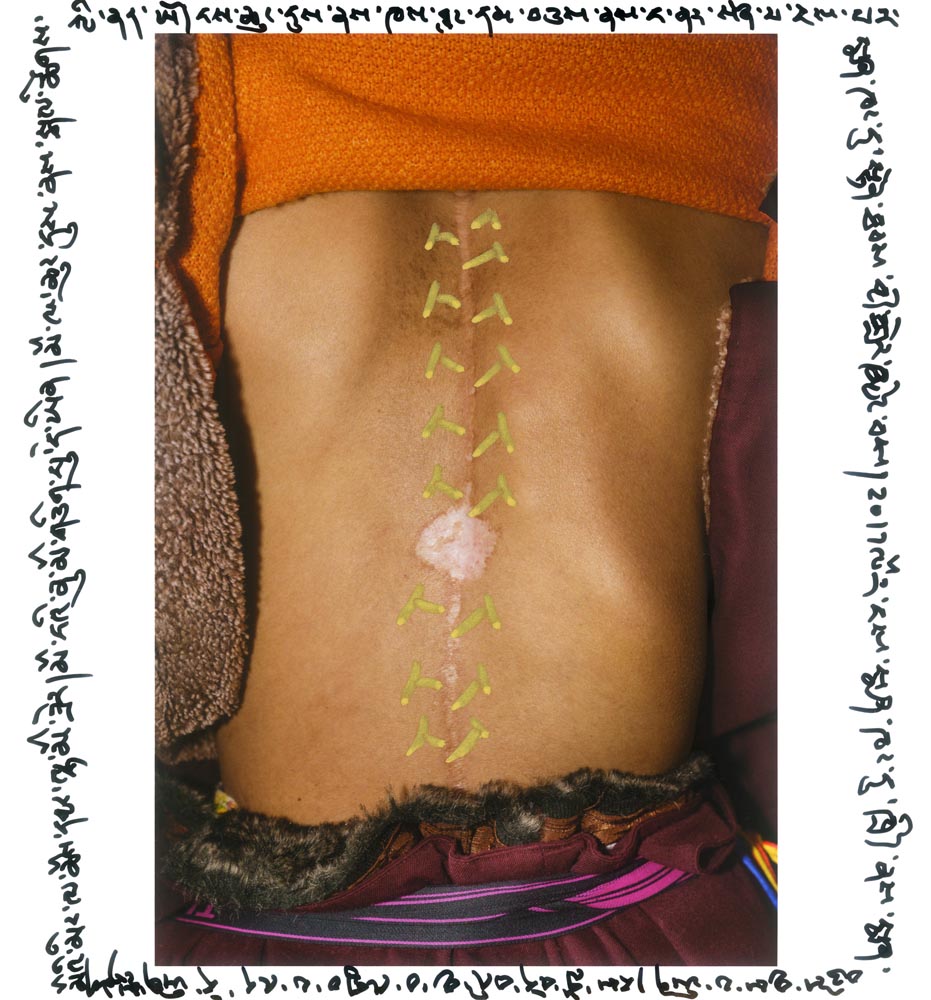
"Her name is Choeyang Lhamo, my one and only sister, who has had spinal problems since she was a child. I promised that once I grew up, I would take her to a city hospital for treatment. In 2017, I brought her to the hospital and she received treatment. This, too, is something I fulfilled with a sense of contentment."
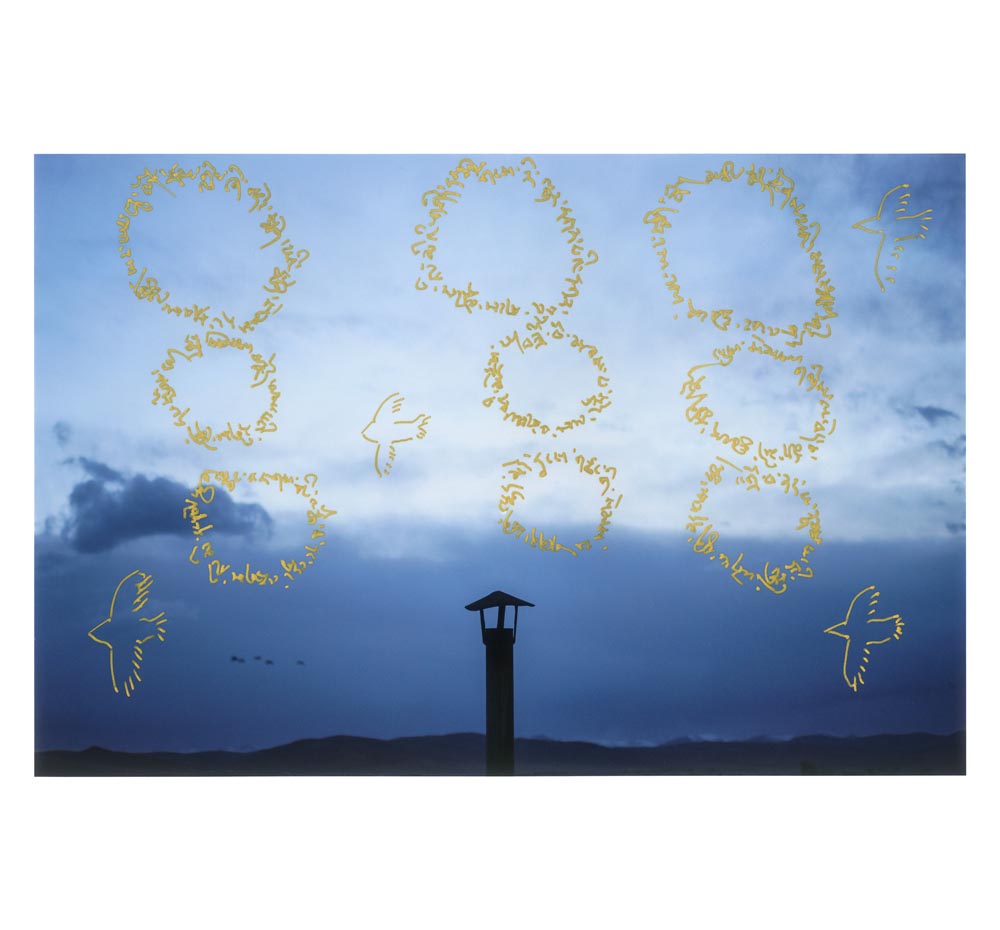
"All my good wishes and sincere blessings are written here. All my good wishes and sincere belssings are written here. Ect. Ect."
Artist Statement Biography
I am interested in photography as a space of negotiation rather than description. Images are not treated as evidence or conclusions, but as starting points for conversation, interpretation, and doubt. My work often embraces ambiguity, allowing multiple perspectives to coexist without resolution. Through accumulation, repetition, and juxtaposition, I seek to create pictures that function less as documents and more as encounters—places where memory, imagination, and observation fold into one another.
I am interested in photography as a space of negotiation rather than description. Images are not treated as evidence or conclusions, but as starting points for conversation, interpretation, and doubt. My work often embraces ambiguity, allowing multiple perspectives to coexist without resolution. Through accumulation, repetition, and juxtaposition, I seek to create pictures that function less as documents and more as encounters—places where memory, imagination, and observation fold into one another.
Meet the Artist
Jake Homovich's
Unexpected Directions
jakehomovich.com
@jake.homovich
Sign Up for Our Mailing List
Sign Up for Our Mailing List
To Receive Grant Cycle Deadlines and Winner Announcements
To Receive Grant Cycle Deadlines and Winner Announcements