Photographer based in Palma de Mallorca, Balearic Islands
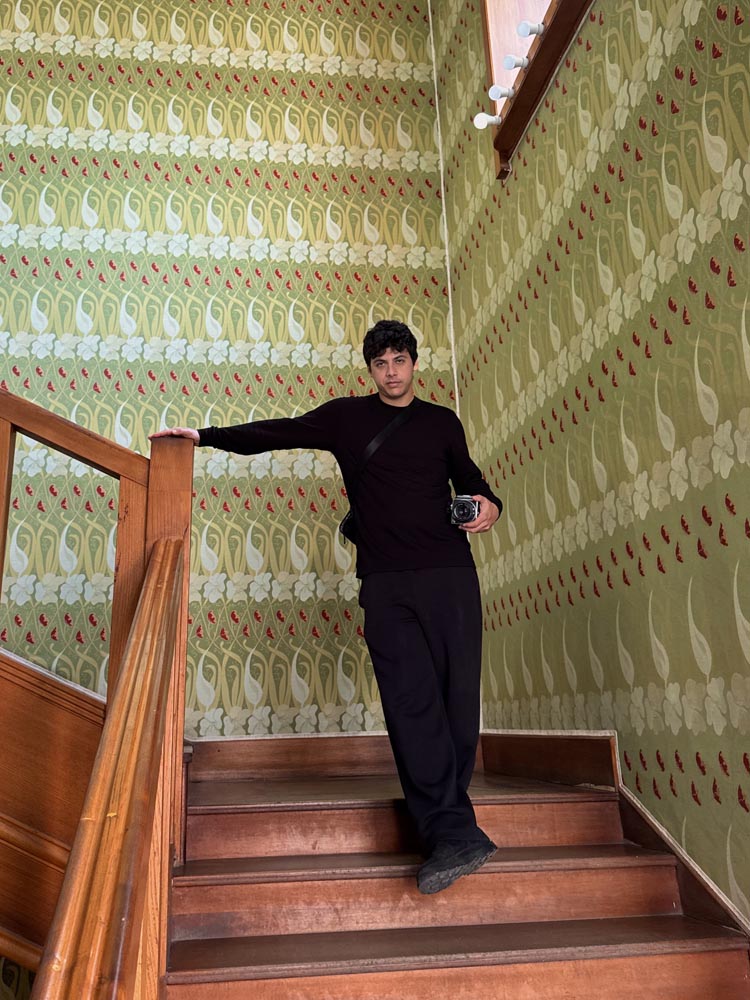
Yago Soria, Portrait of the Photographer
Tell us about yourself, what's your background?
I've been drawn to the visual world for as long as I can remember. Growing up, I was obsessed with Japanese manga, specifically Dragon Ball. My parents would read it to me so many times that I eventually memorized the whole thing, and would then pretend to read it out loud to their friends before I even knew how to read.
My favourite place in the neighbourhood was the print shop. Something about ink on paper just got me.
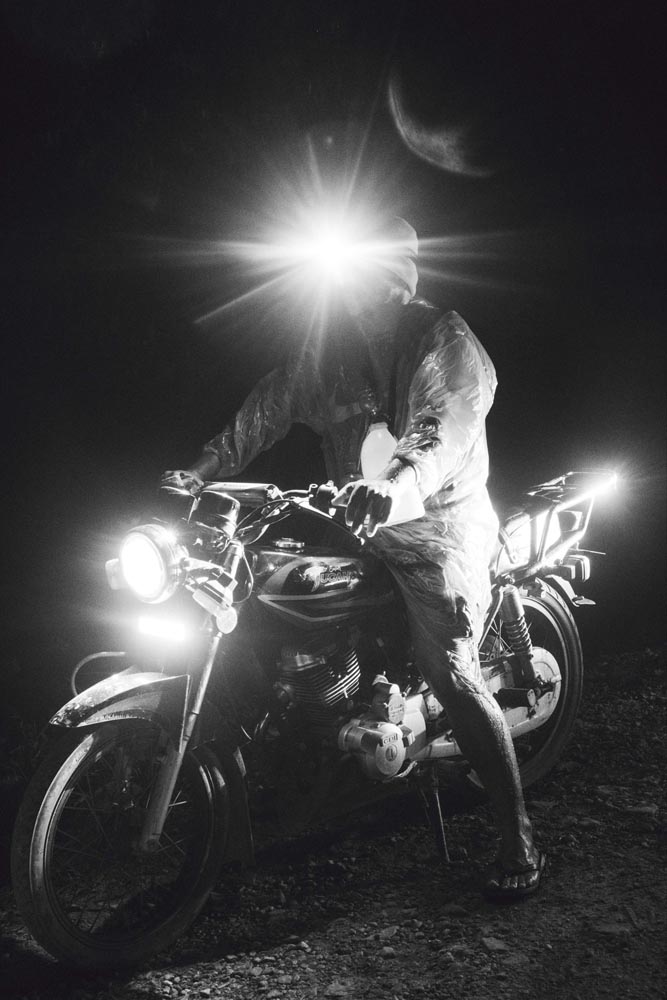
From the series, Fukú no Unagi
My dad was also one of those people who never let a family moment go undocumented, and he made sure my brother and I always had one of those early 2000s compact digital cameras to play with. That combination; manga, print, and a camera always within reach; was the breeding ground.
I always wanted to draw. I tried, really tried, but it never clicked for me the way I hoped. Photography did. It gave me everything I was chasing in those comic panels: composition, light, narrative, a single frame that tells a whole story.
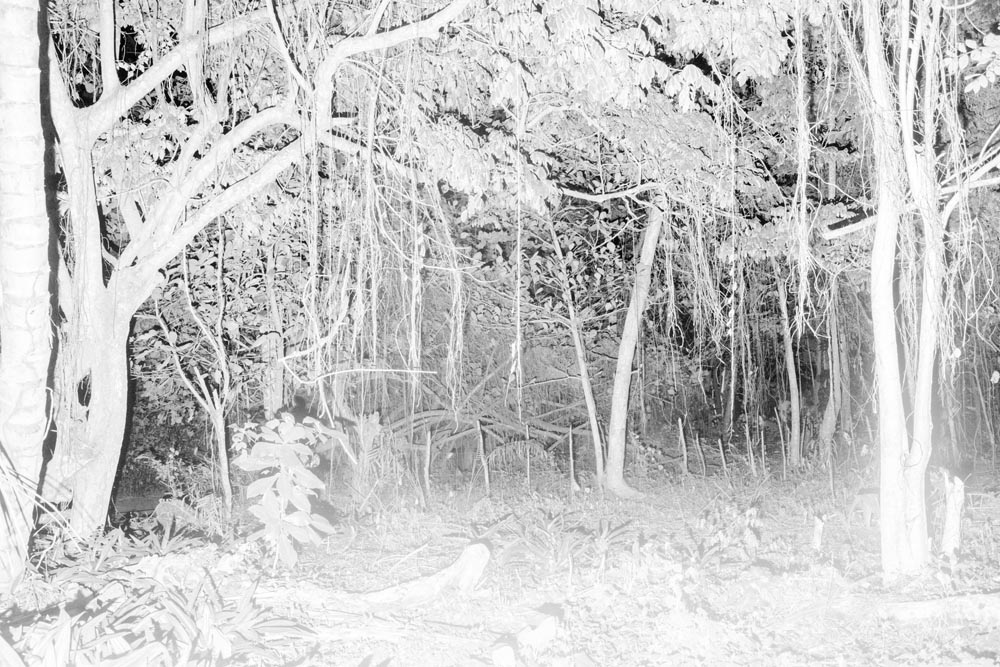
From the series, Fukú no Unagi
“With Fukú no Unagi, it was the slow process of building relationships, staying curious, and just being there that eventually led me to the subject. It wasn't planned. I had no particular interest in eel fishing. I was interested in my neighbours. They were the ones who would call me: "Yago, come and photograph this, come and see that." One night they said: come to the beach, we're going eel fishing. And that's where I stumbled into this mysterious universe.“
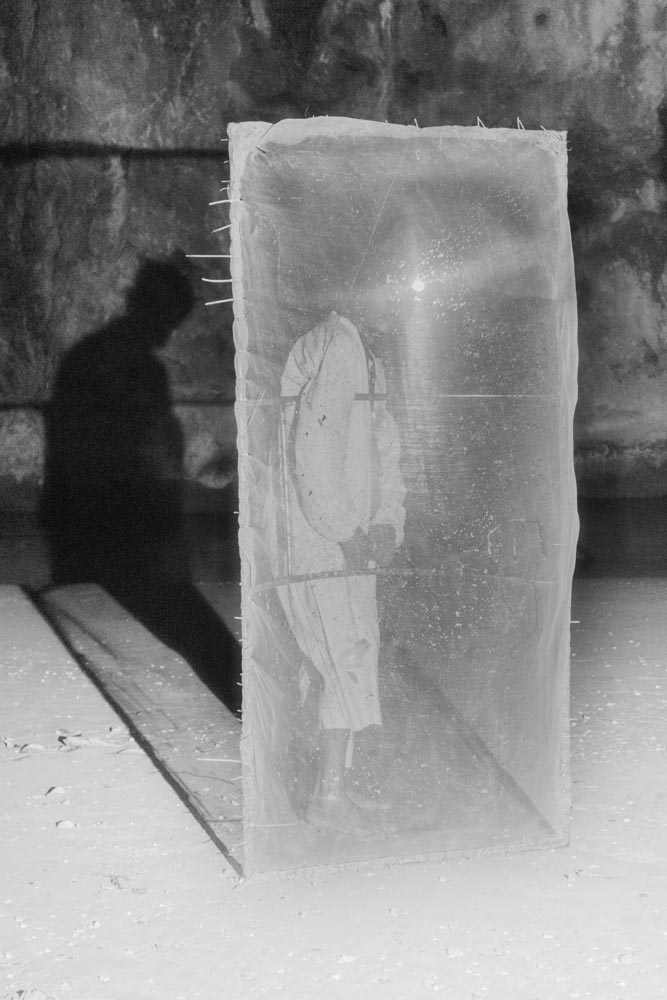
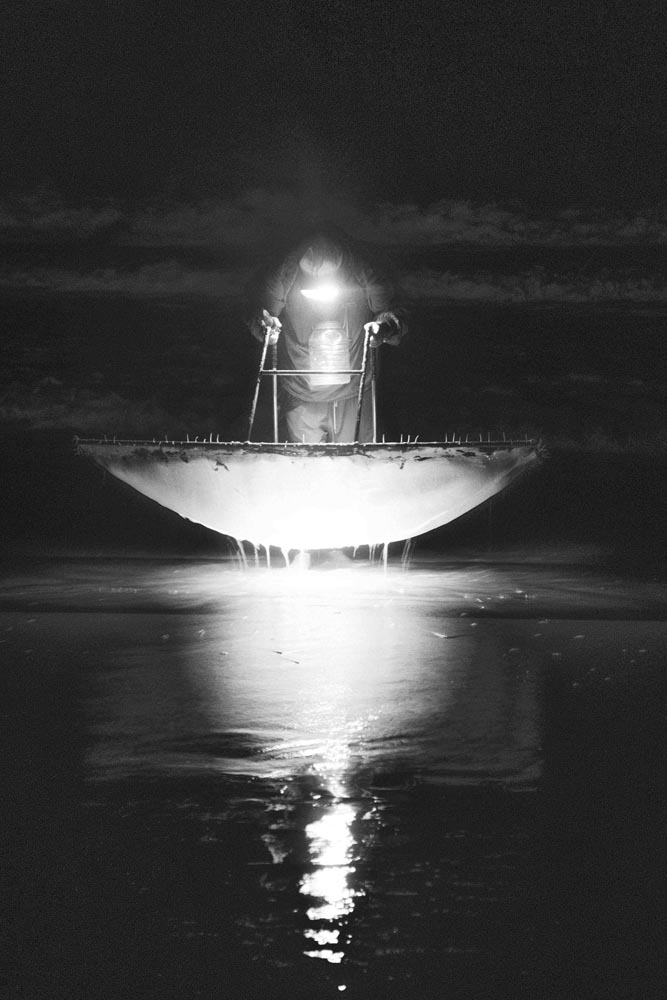
From the series, Fukú no Unagi
What are you currently working on and where did the inspiration for it come from?
Right now I'm working on the final format of this project: the photobook. It's a format I've always had a deep love for, and I've finally been able to hold the first dummy in my hands. I'm really happy with how it's come together, seeing it as a physical object changes everything. Now that it's real, the hard work begins: getting it published.
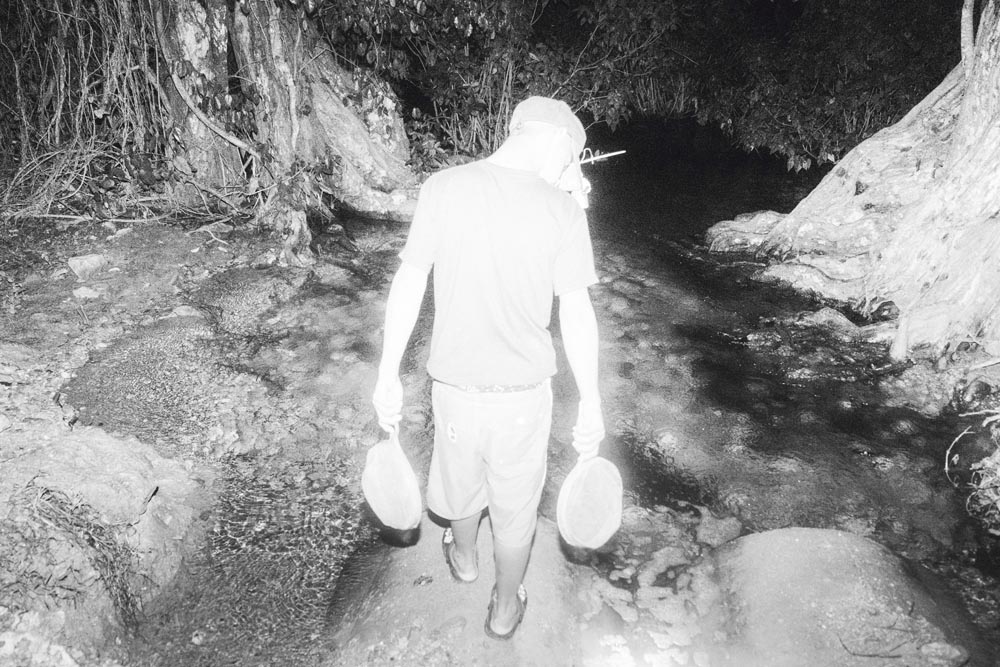
From the series, Fukú no Unagi
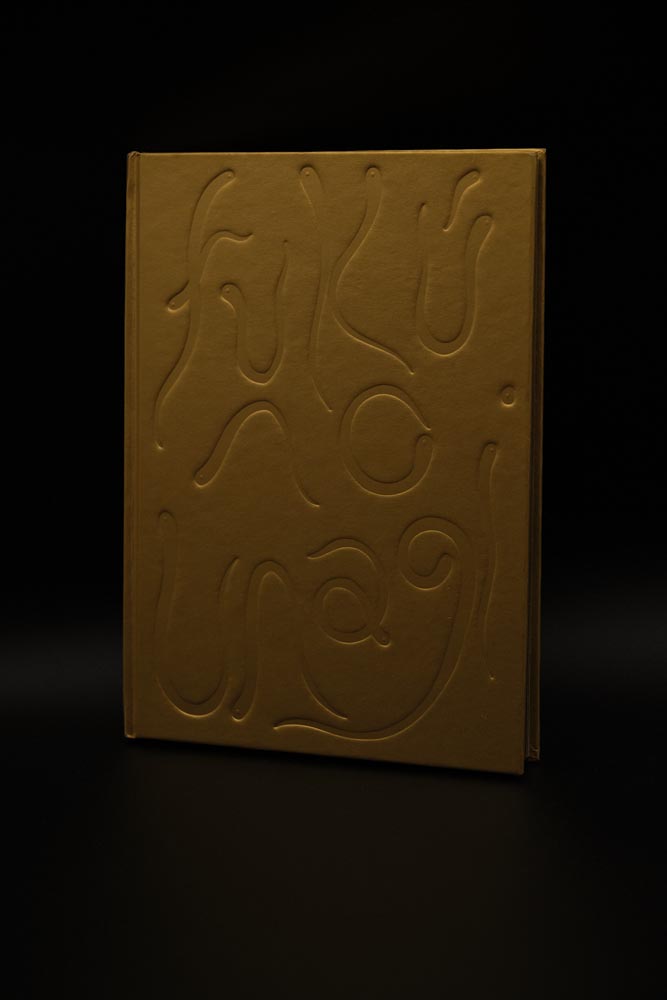
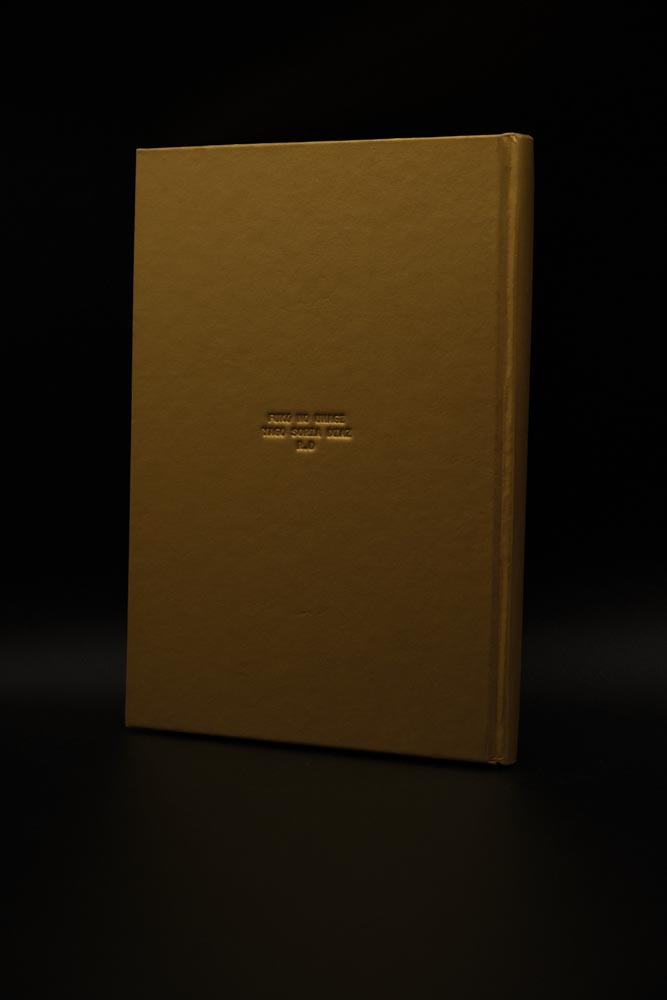
Photobook dummy of Fukú no Unagi
Innovation does not only happen in the field of technology — it occurs everyday in a creative practice. What do you do for inspiration?
One of the most important things I've learned from the photographers I admire is to look for inspiration outside of photography. Of course, when you're in love with the image, your mind is naturally flooded with visual references, that's unavoidable. But you have to push yourself out of that bubble. For me, literature and manga are constant sources.
But above all, there's a phrase my parents repeated to me growing up that has become a real pillar of how I work: make sure inspiration finds you working. Don't wait for it.
From the series, Fukú no Unagi
Describe your practice and process. Where do ideas start for you? In the studio or being in the world?
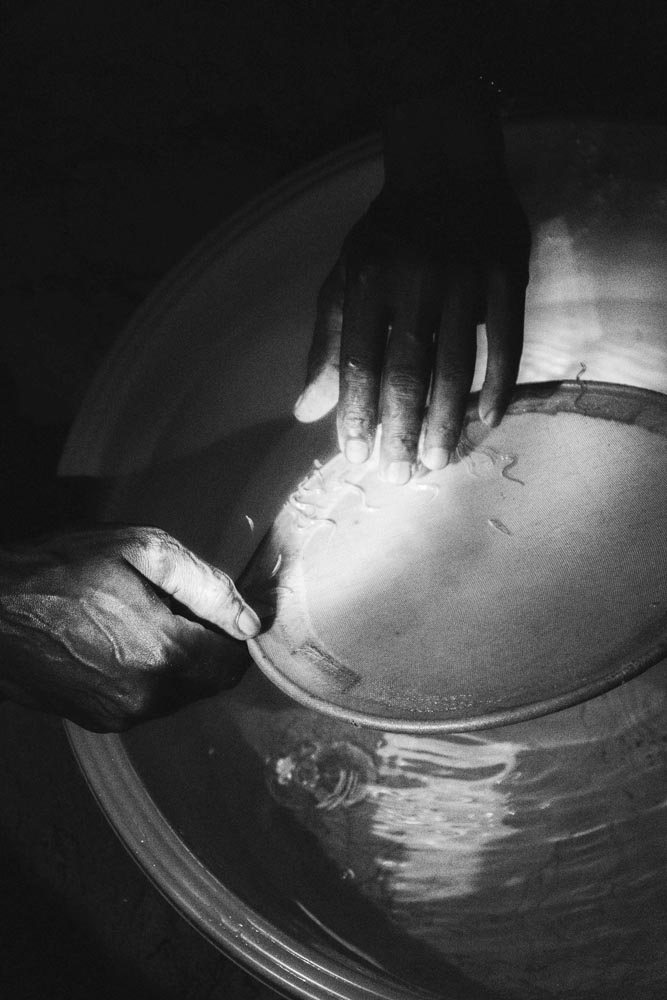
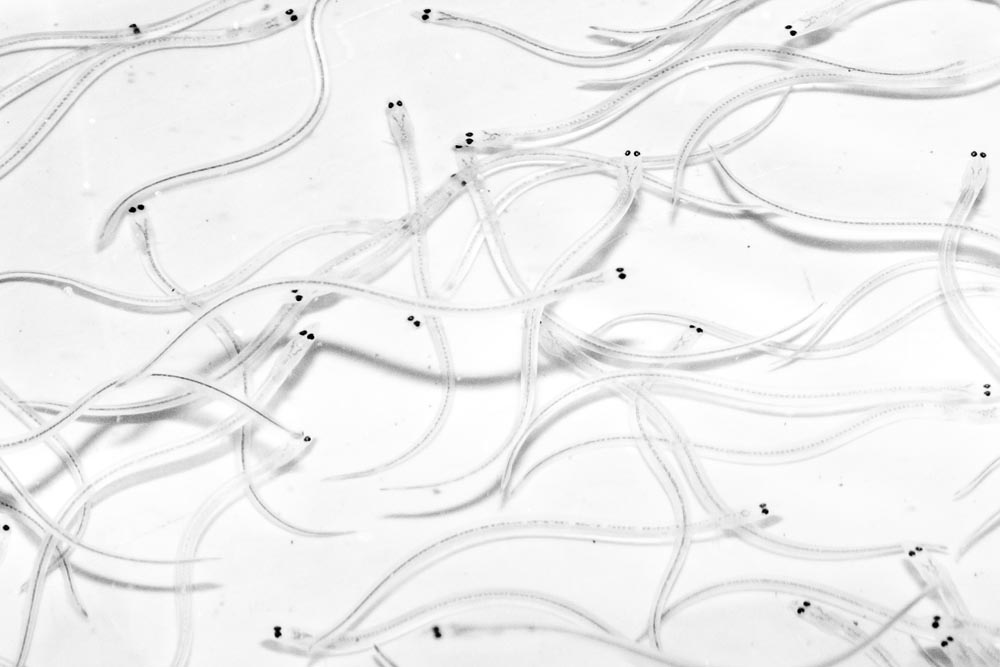
With Fukú no Unagi, the project I've been photographing from 2022 to 2025, what you don't see are the years before. I had been living in this small region of the Dominican Republic for much longer, and it was the slow process of building relationships, staying curious, and just being there that eventually led me to the subject. It wasn't planned. I had no particular interest in eel fishing. I was interested in my neighbours.
They were the ones who would call me: "Yago, come and photograph this, come and see that." One night they said: come to the beach, we're going eel fishing. And that's where I stumbled into this mysterious universe.
Once you're inside, things start to move on their own. My work is built on consistency and repetition, showing up, being there, and seeing what happens.
From the series, Fukú no Unagi
How do you make your work, does it start with a sketch?
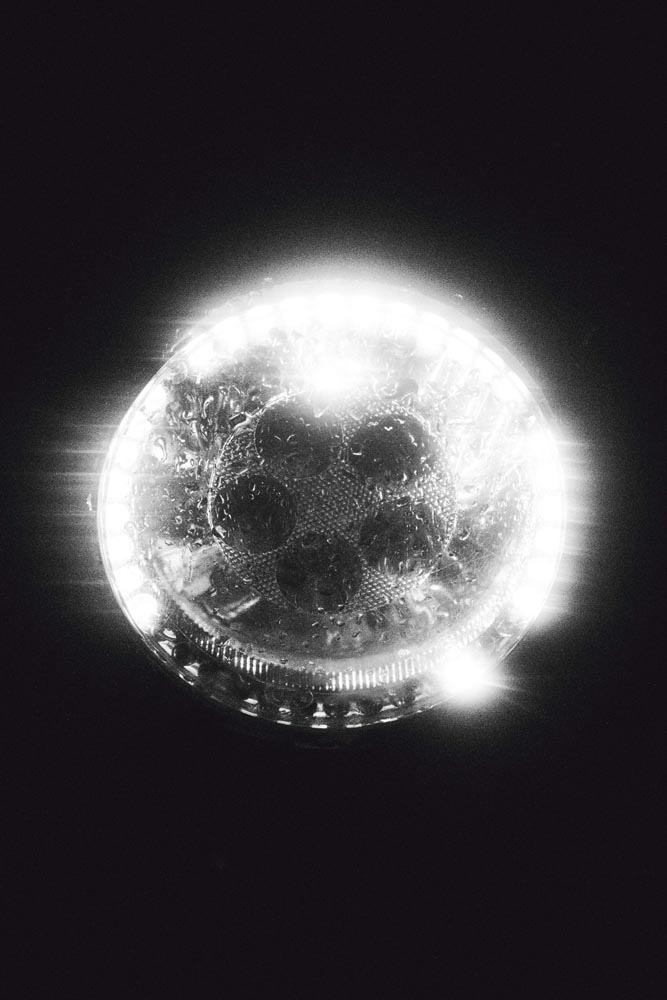
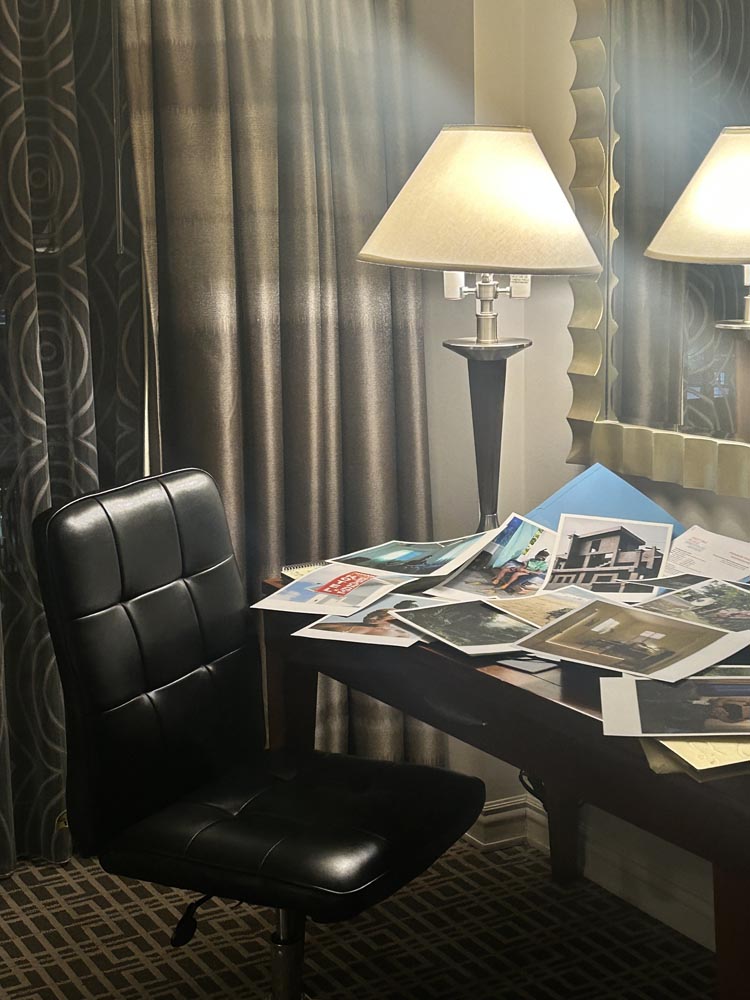
Eel fishing only happens a few months a year, in complete darkness. The only light sources are the headlamps of the fishermen scanning the water. When I first looked at those images, I realised the constraints were actually the language: the beams of light made everything shimmer like gold. The whole scene looked like a modern gold rush, people wading through the night, searching, driven by something almost feverish.
That became the conceptual thread. I stopped fighting the darkness and started working with it. I pushed the ISO to its limits and then introduced my own flash as a kind of personal headlamp, a burst of light that makes both the subjects and certain surfaces gleam.
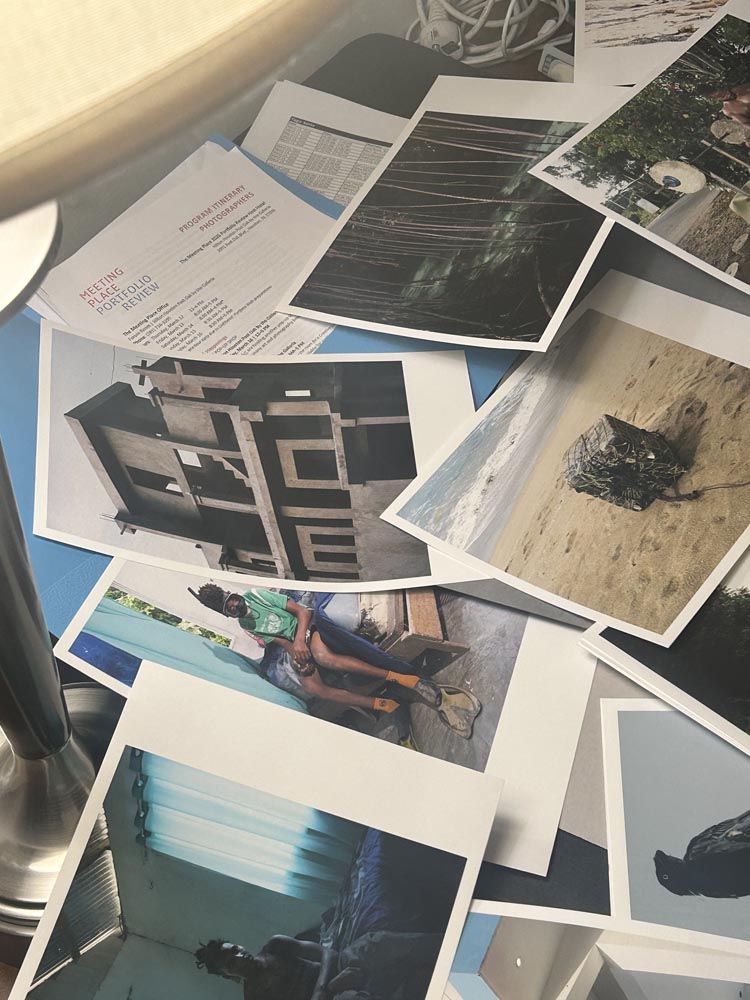
Process
Who are your biggest influences?
My influences come from two worlds that might seem unrelated but, for me, have always been speaking the same language.
In photography, I keep coming back to the Japanese post-war photographers — the Provoke movement, and Daido Moriyama in particular, who I was obsessed with for a long time. Among contemporaries, photographers like Ricardo Cases, Oscar Monzón, Lua Ribeira, and Felipe Romero Beltrán…
And then there's manga. Naruto, Death Note, Vagabond, Pluto, Fullmetal Alchemist…
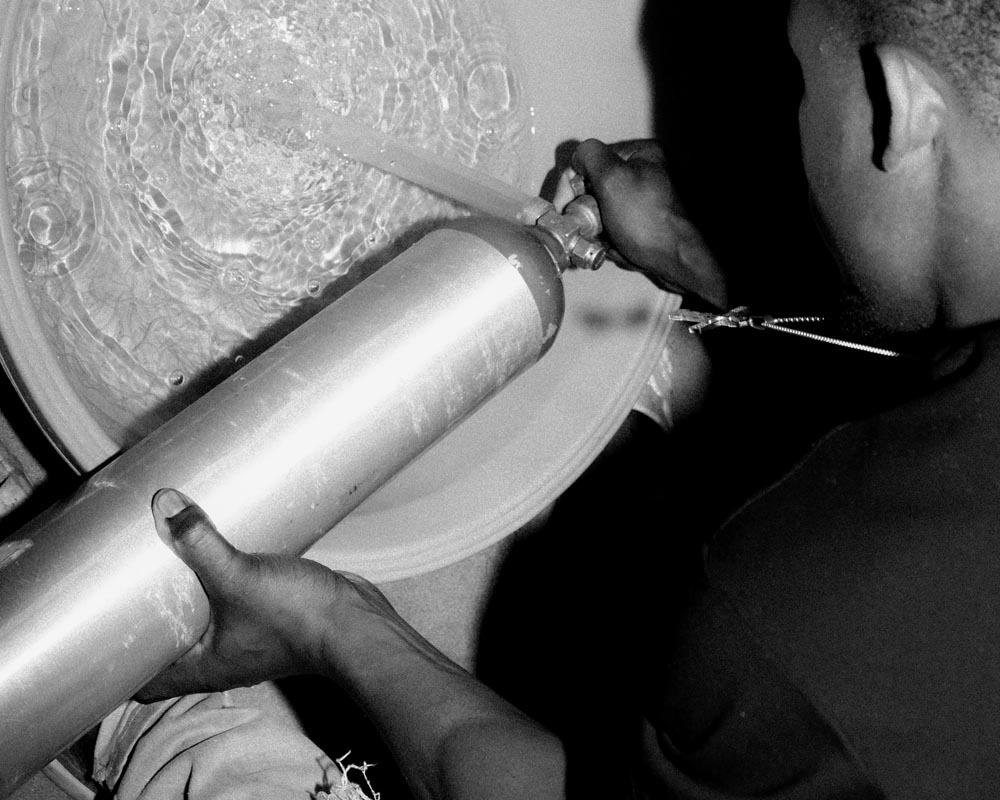
From the series, Fukú no Unagi
How will Innovate Grant contribute to your practice?
Publishing a photobook is a long and expensive road. The Innovate Grant would help cover a significant part of that journey, and for that I'm genuinely grateful.
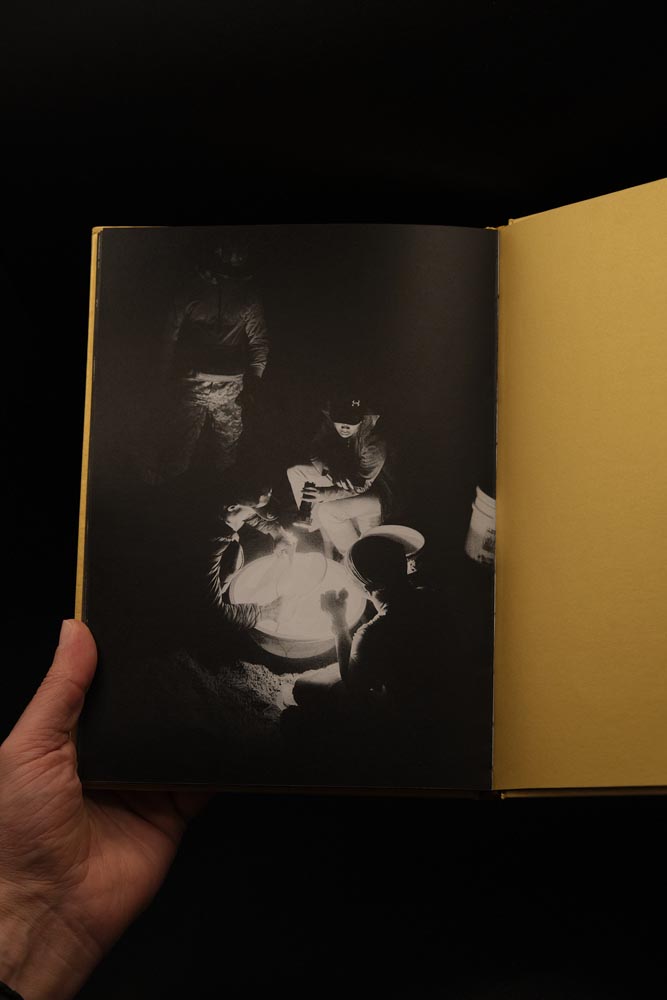
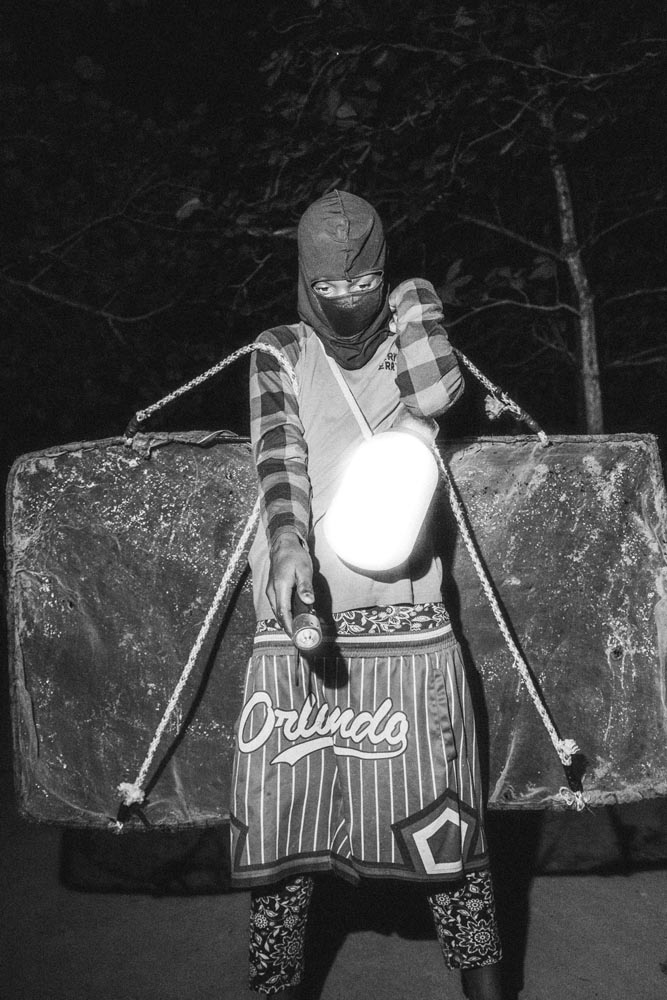
Photobook dummy of Fukú no Unagi
What is the best piece of advice you’ve been given?
Make sure inspiration finds you working.
What is the best advice you would give to other artists?
Make sure inspiration finds you working.
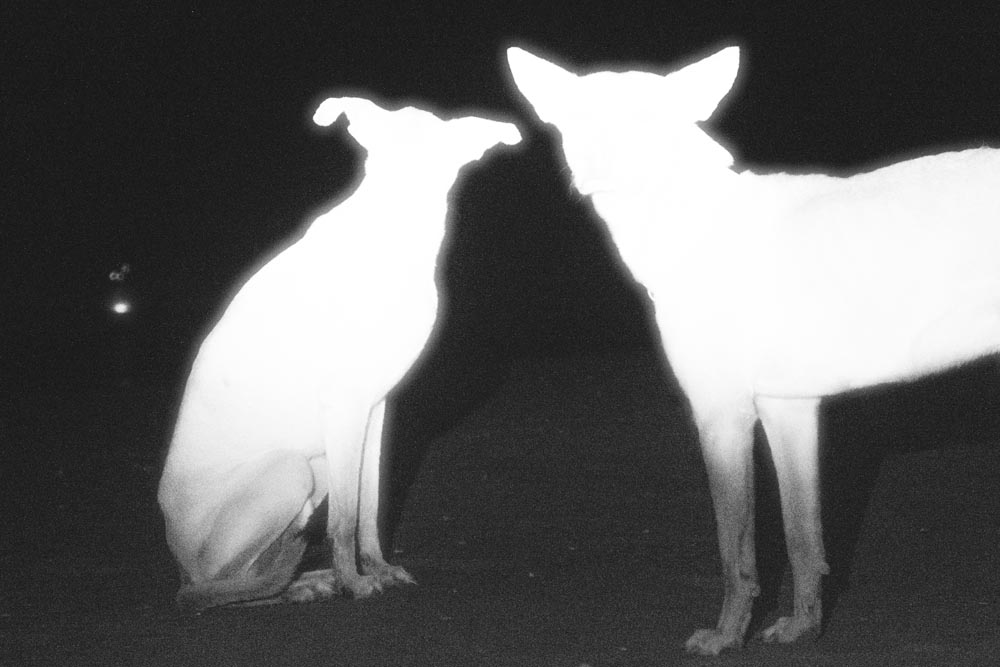
From the series, Fukú no Unagi
Stay up to date with Yago Soria
Website yagosoria.com
Instagram @yagosodizz