Jingqi Wang Steinhiser
Winter 2026 Cycle – Art
Aomori, Japan jingqisteinhiser.com
Winter 2026 Cycle – Art
Aomori, Japan jingqisteinhiser.com
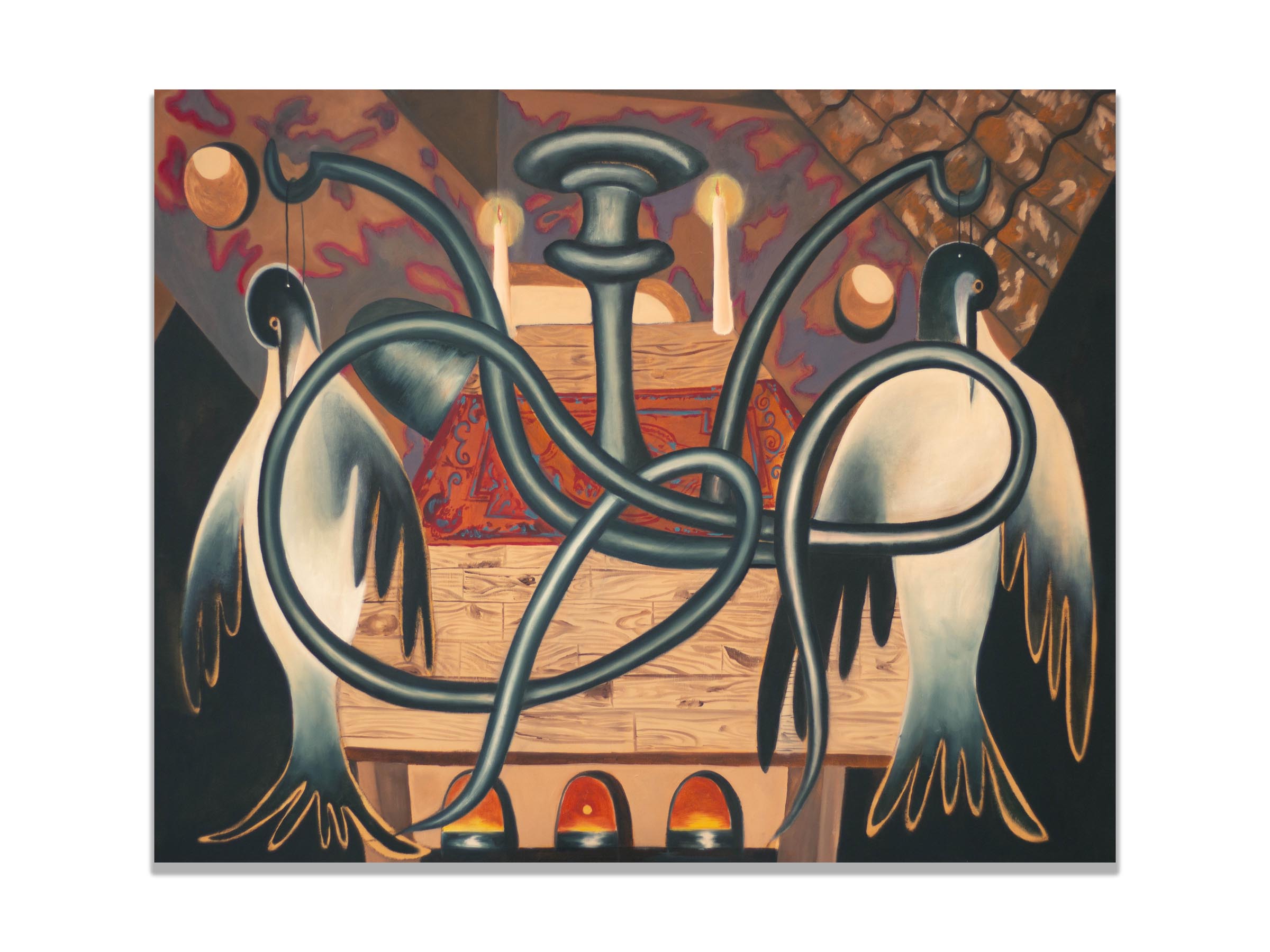
Neither Sight Nor Sound, oil on linen, 40 × 30 inches, 2026
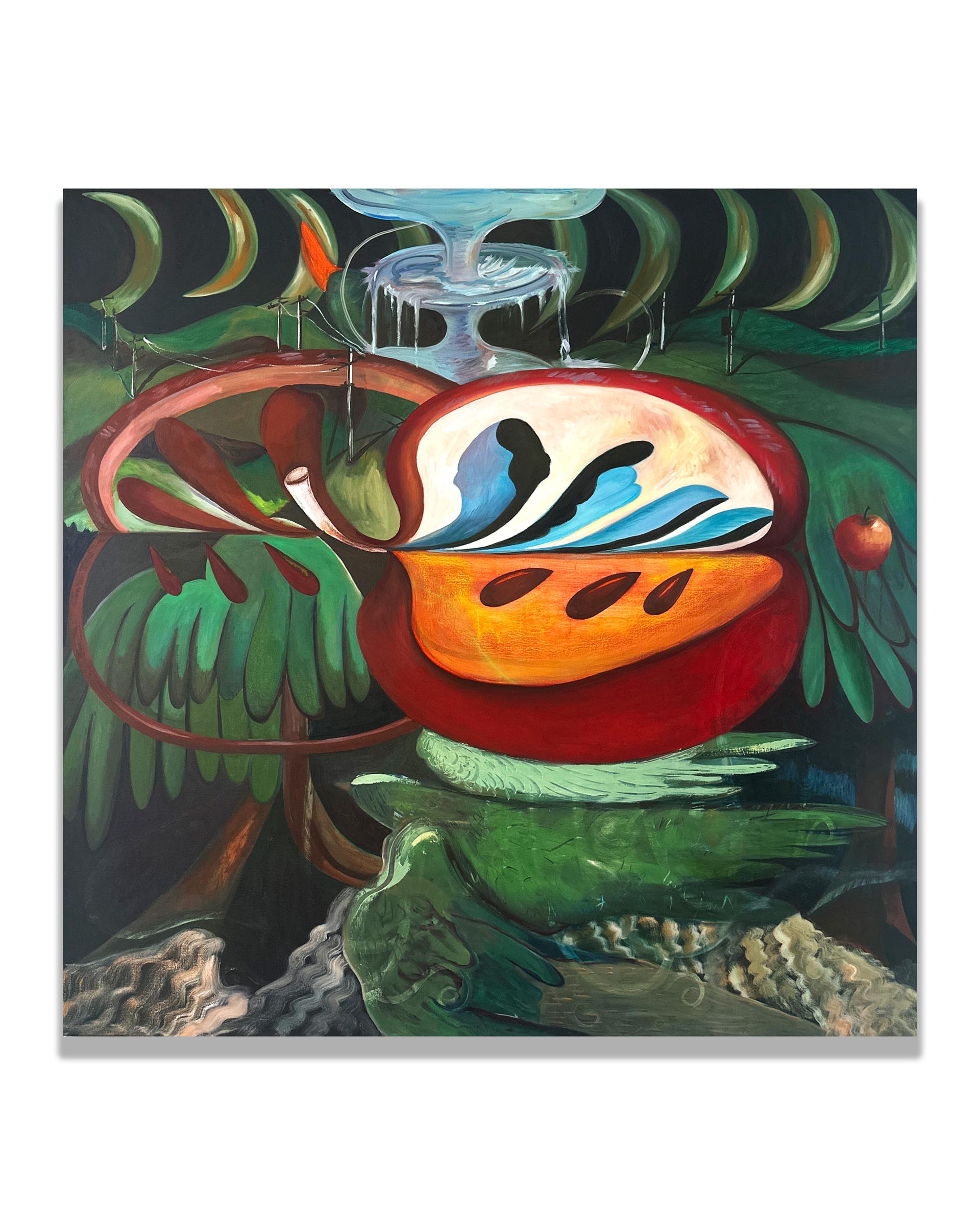
Apple of Aomori, acrylic and oil on canvas, 66 × 66 inches, 2025
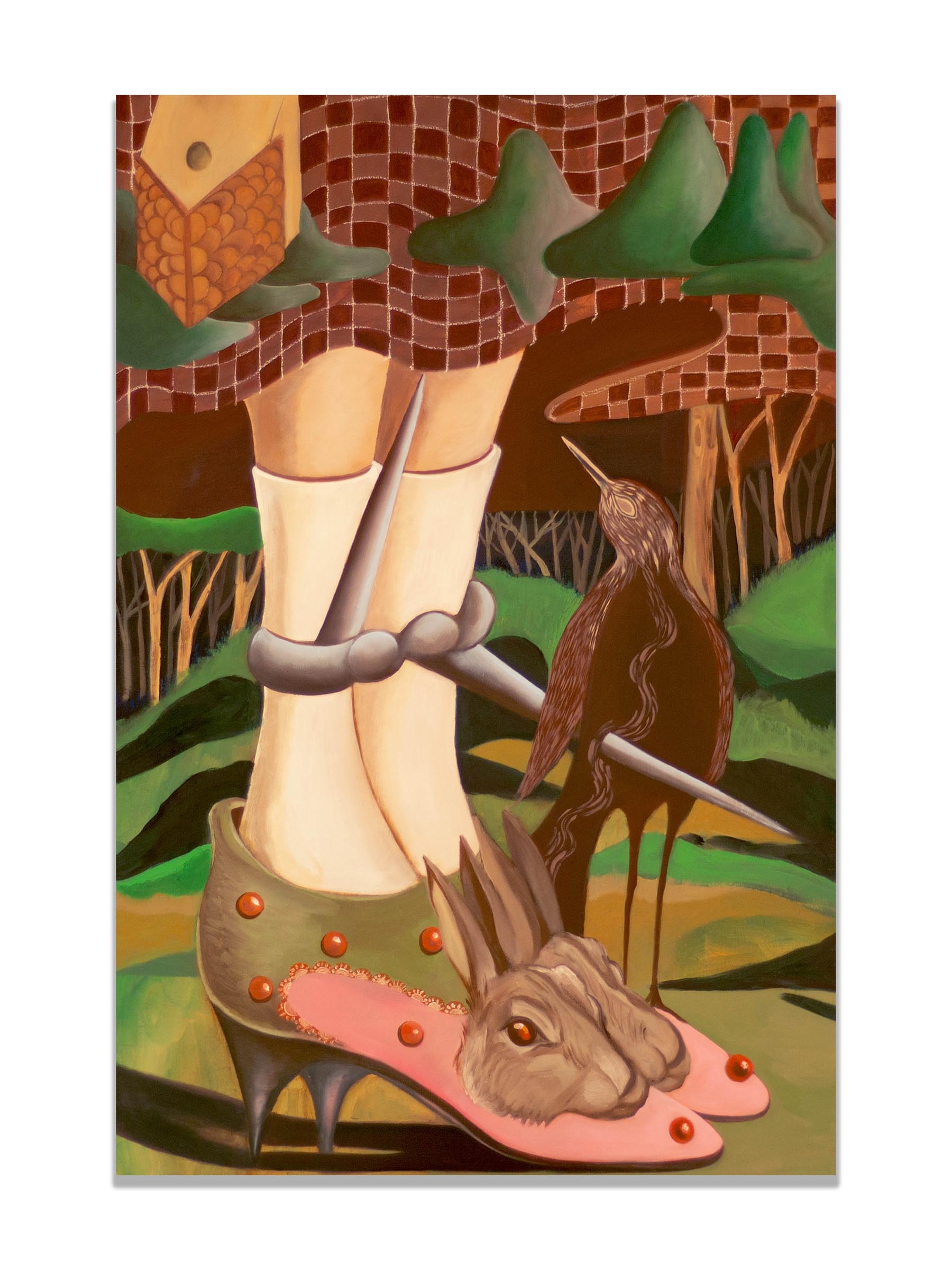
If You'll Excuse Me, oil on linen, 30 × 40 inches, 2026
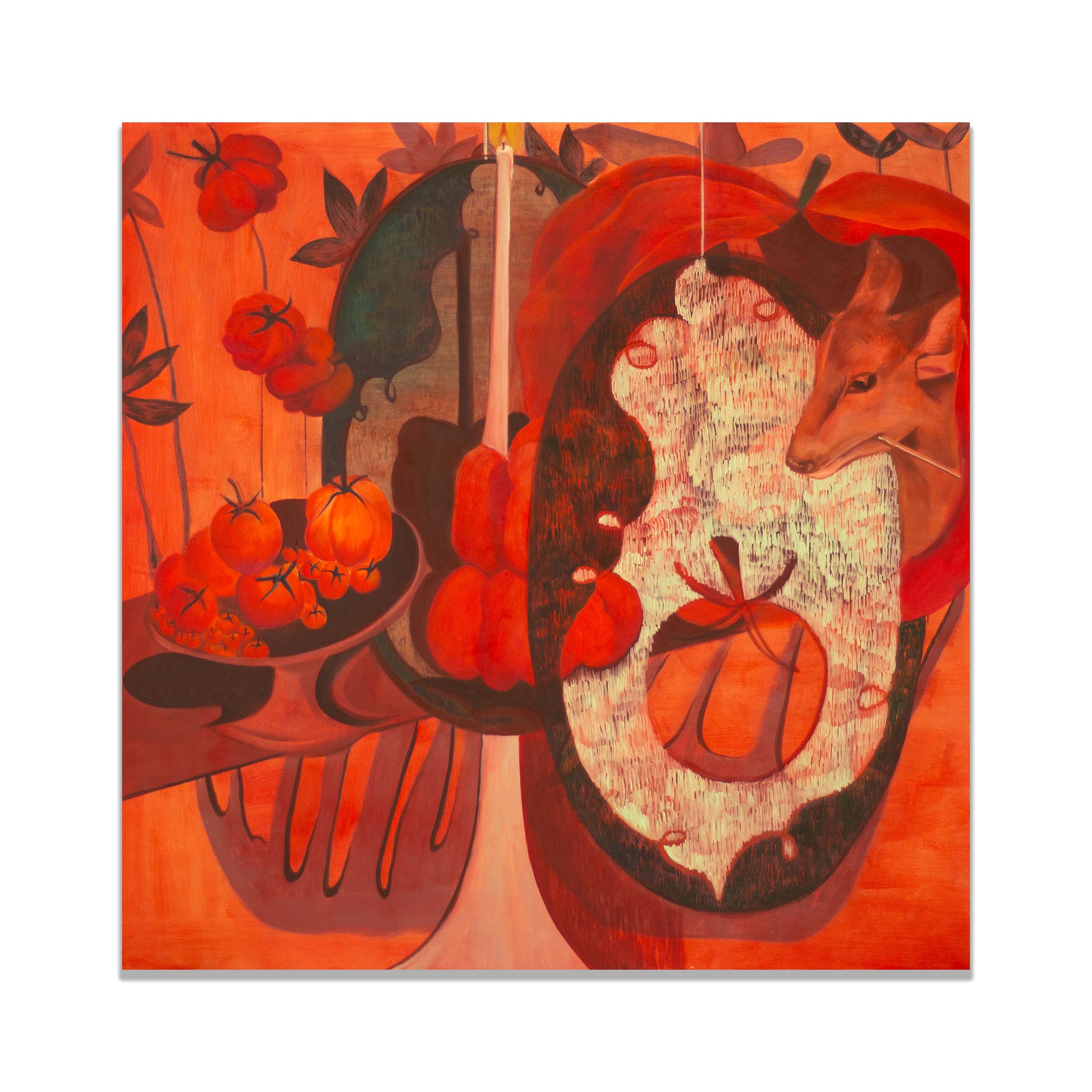
Mirror, Mirror on the Wall, acrylic and oil on linen, 40 × 40 inches, 2026
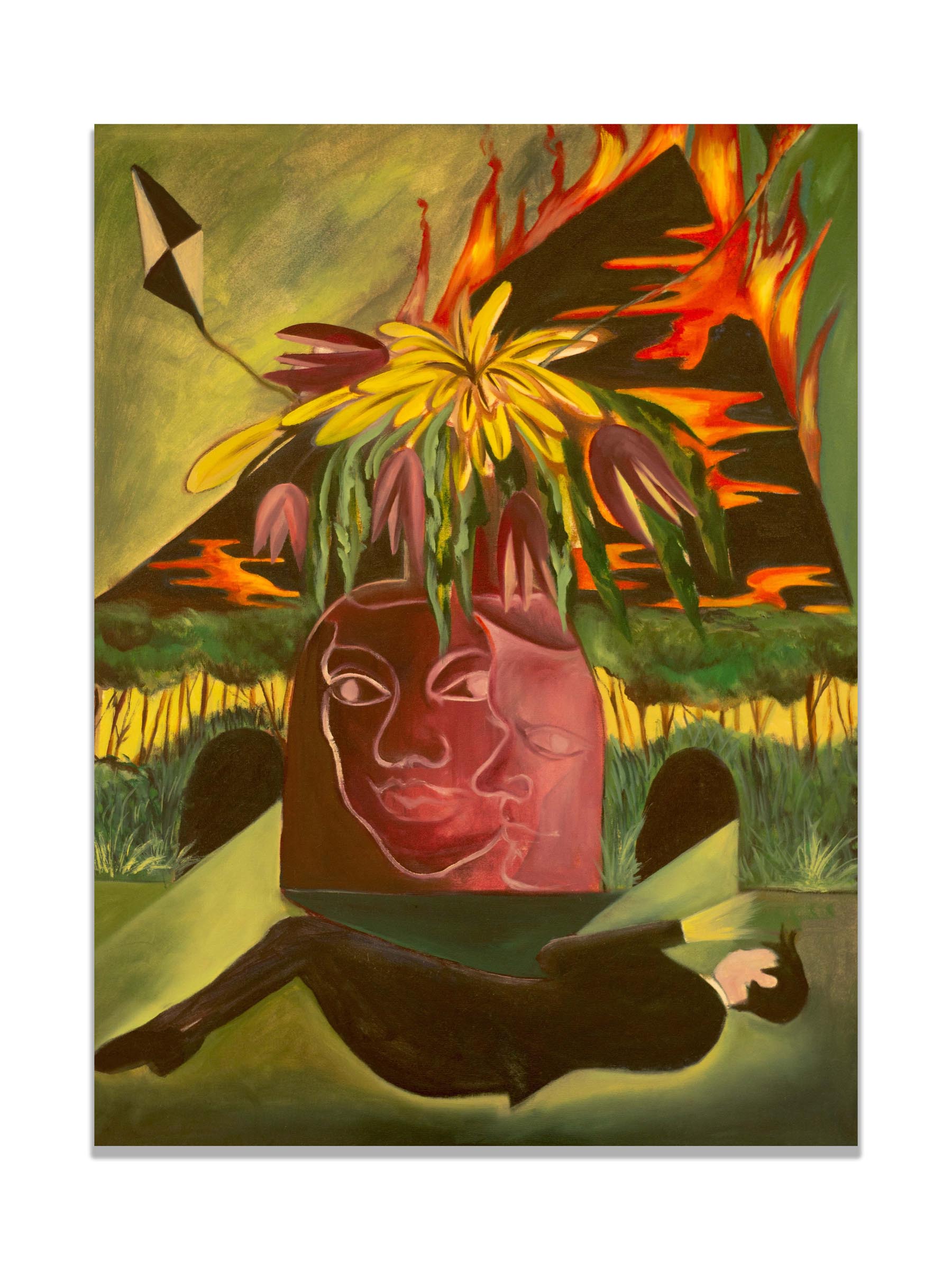
A Serious Murder, acrylic and oil on linen, 30 × 40 inches, 2026
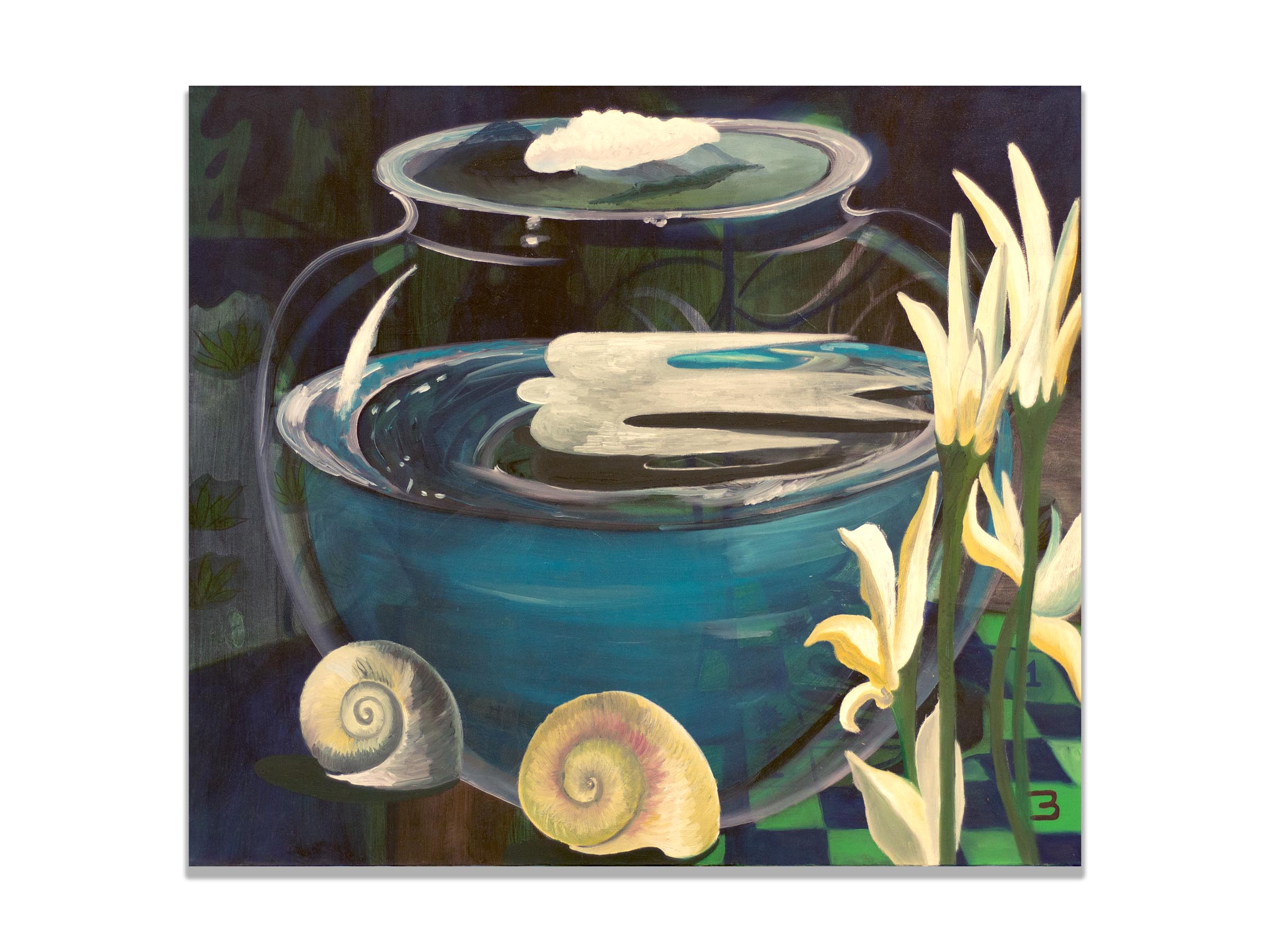
After Rain, 2026, acrylic and oil on canvas, 40 x 44 inches
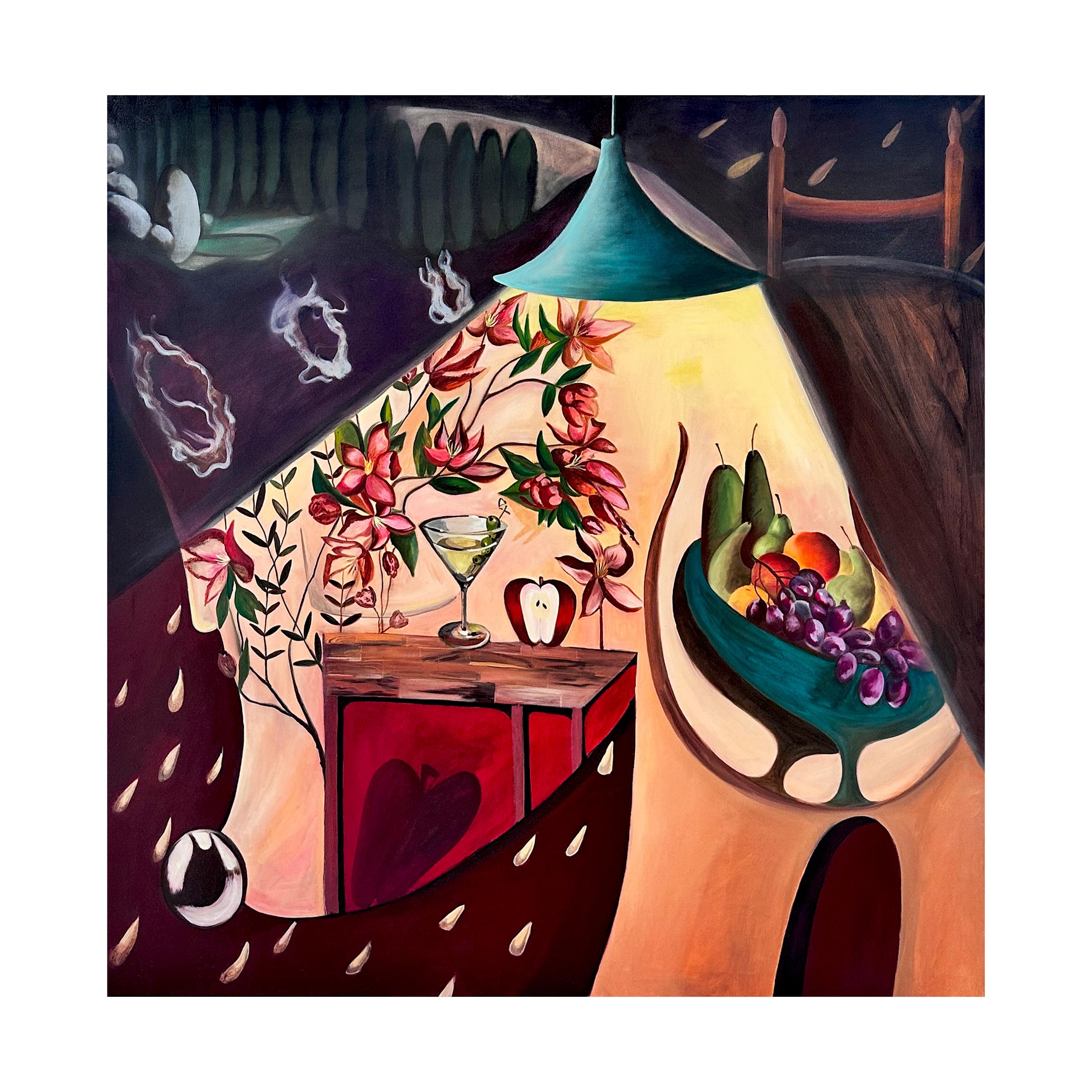
Aomori Dog, acrylic and oil on canvas, 66 × 66 inches, 2025
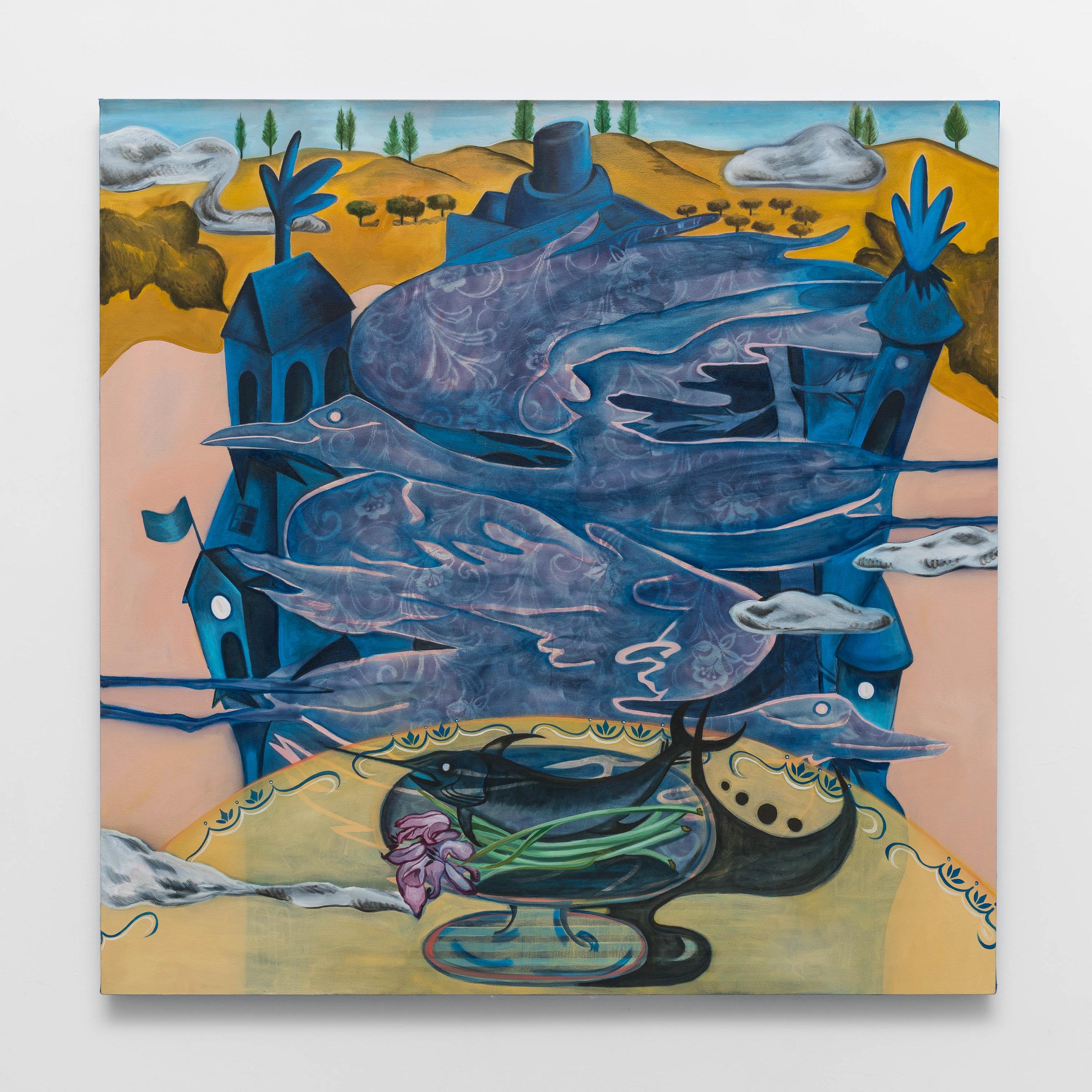
Blue Bird, Flying Fish ,acrylic and oil on canvas, 60 x 60 inches, 2024
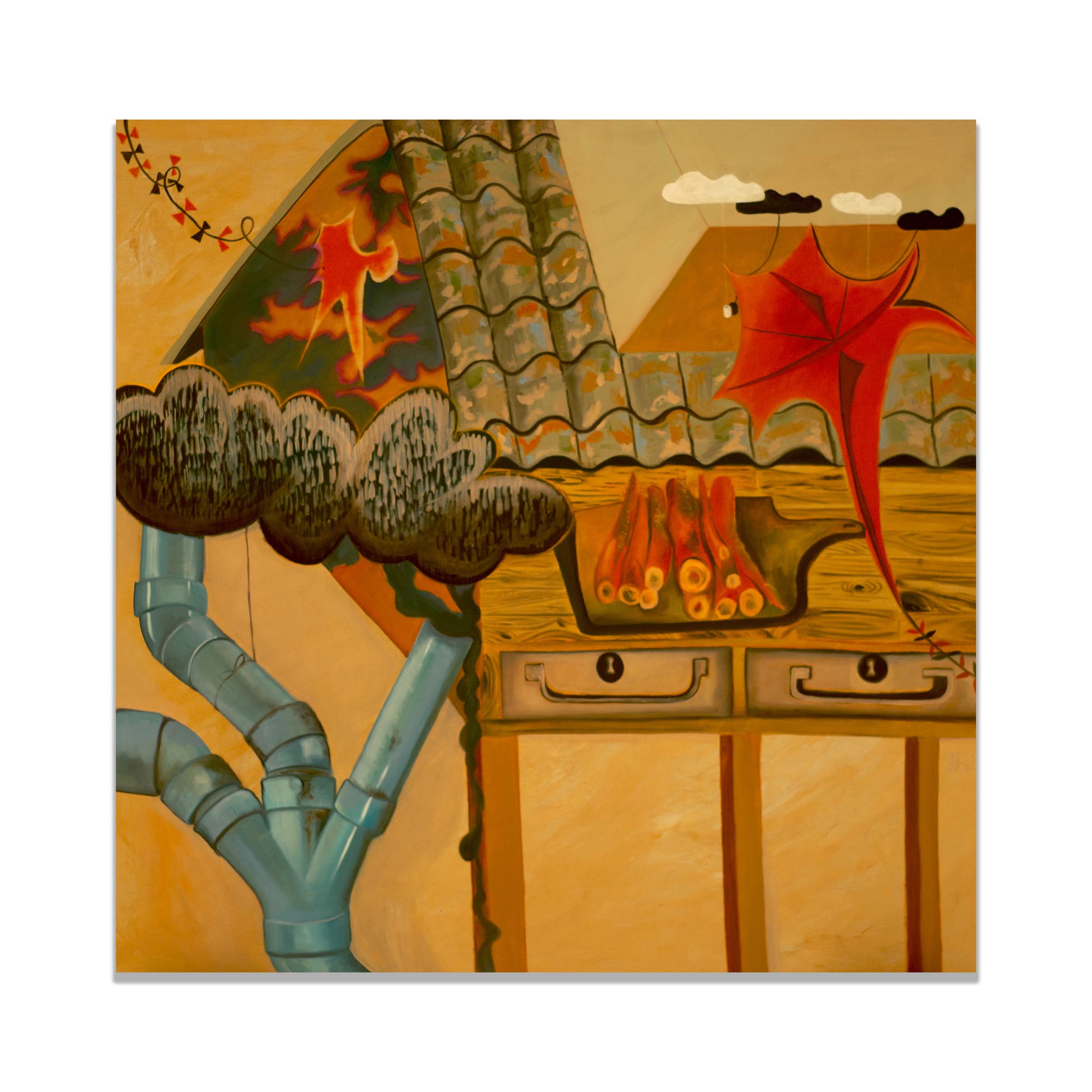
Cloud of Suspicion, 2026, acrylic and oil on linen, 50 x 50 inches
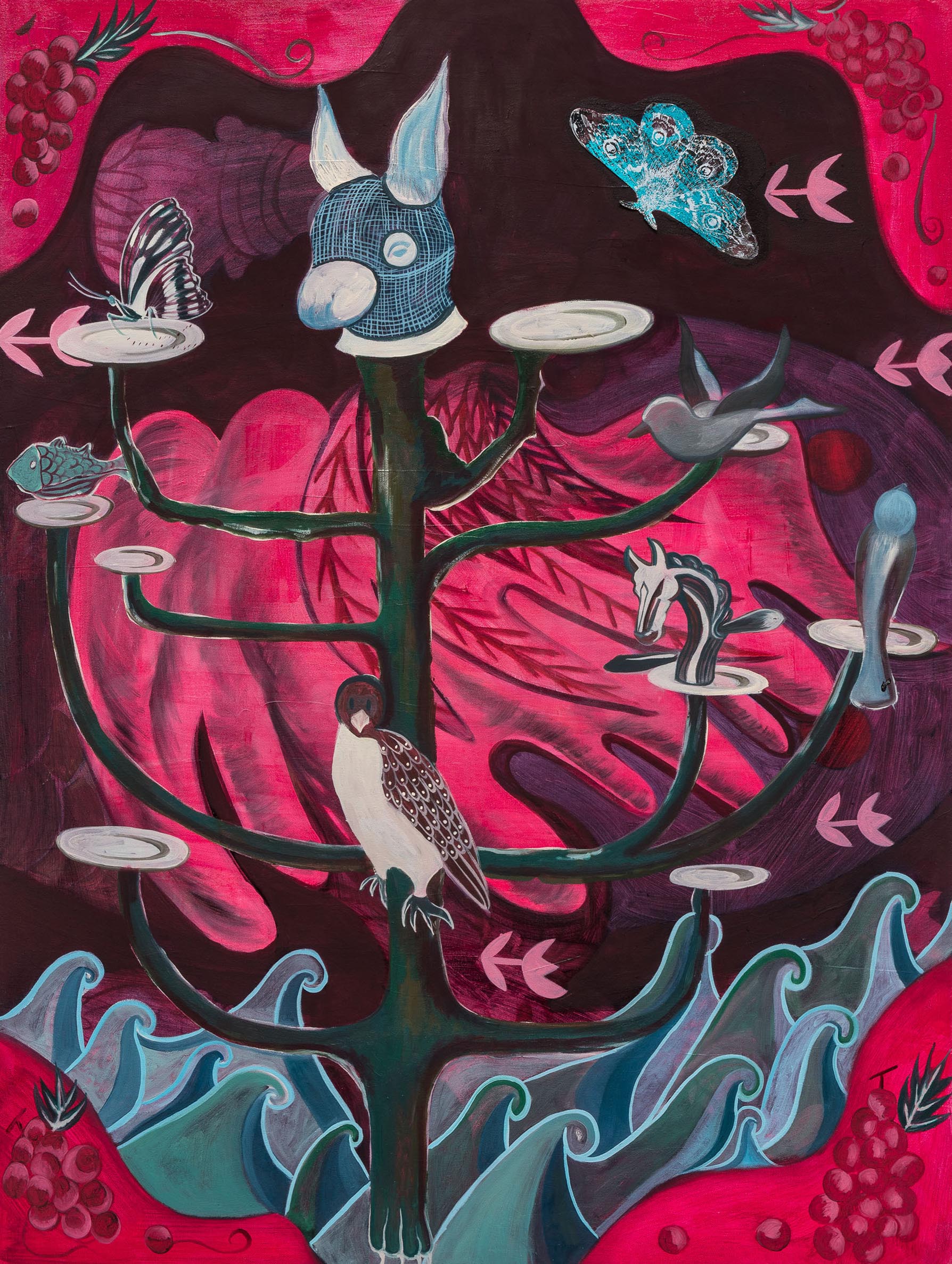
Dusk at Dawn, acrylic, oil and mixed media on canvas, 30 x 40 inches, 2024
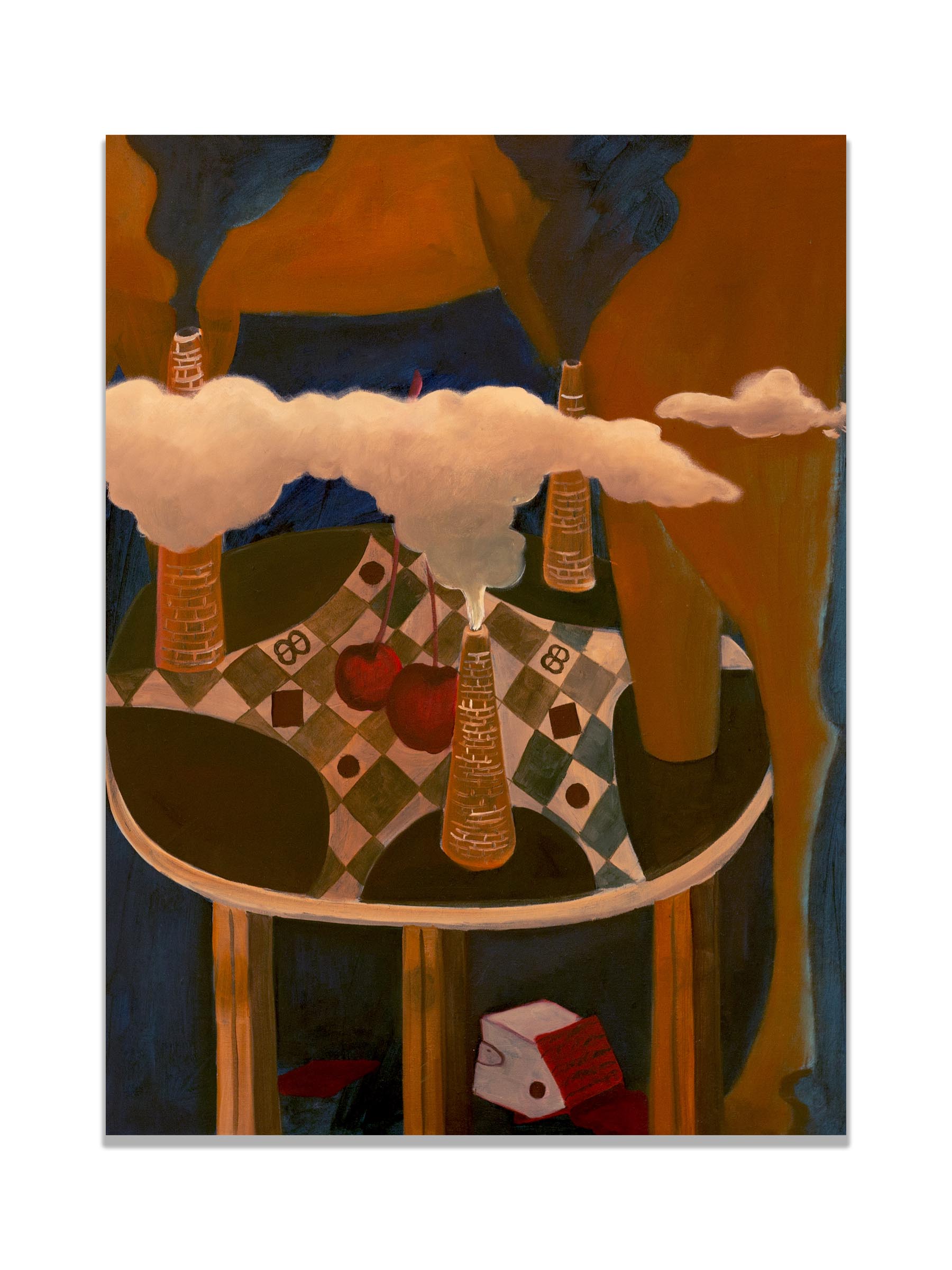
He Tipped It Over, 2026, acrylic and oil on linen, 18 x 24 inches
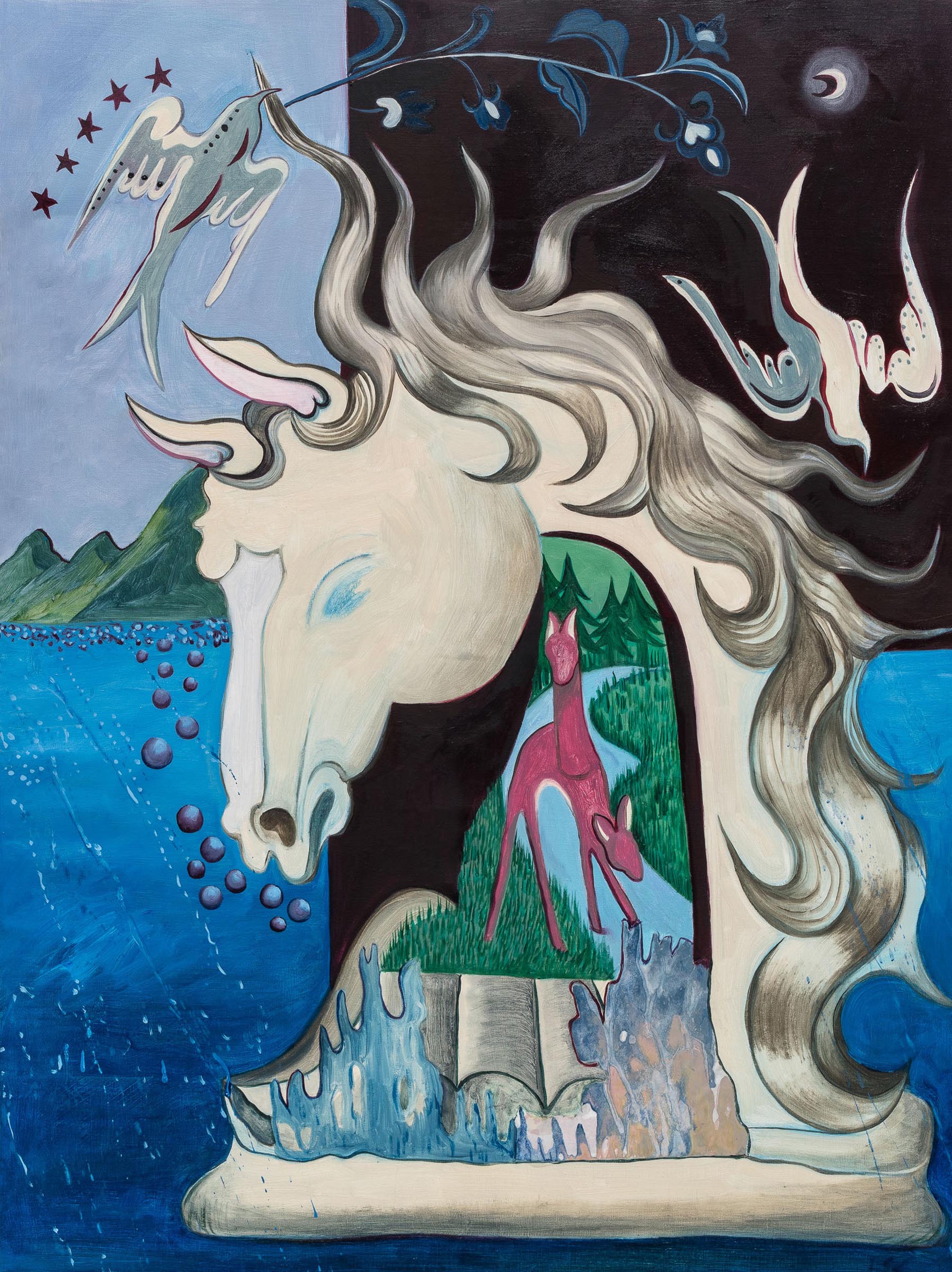
Horse Sinking To Their Death, acrylic, oil and collage on canvas, 30 x 40 inches, 2024
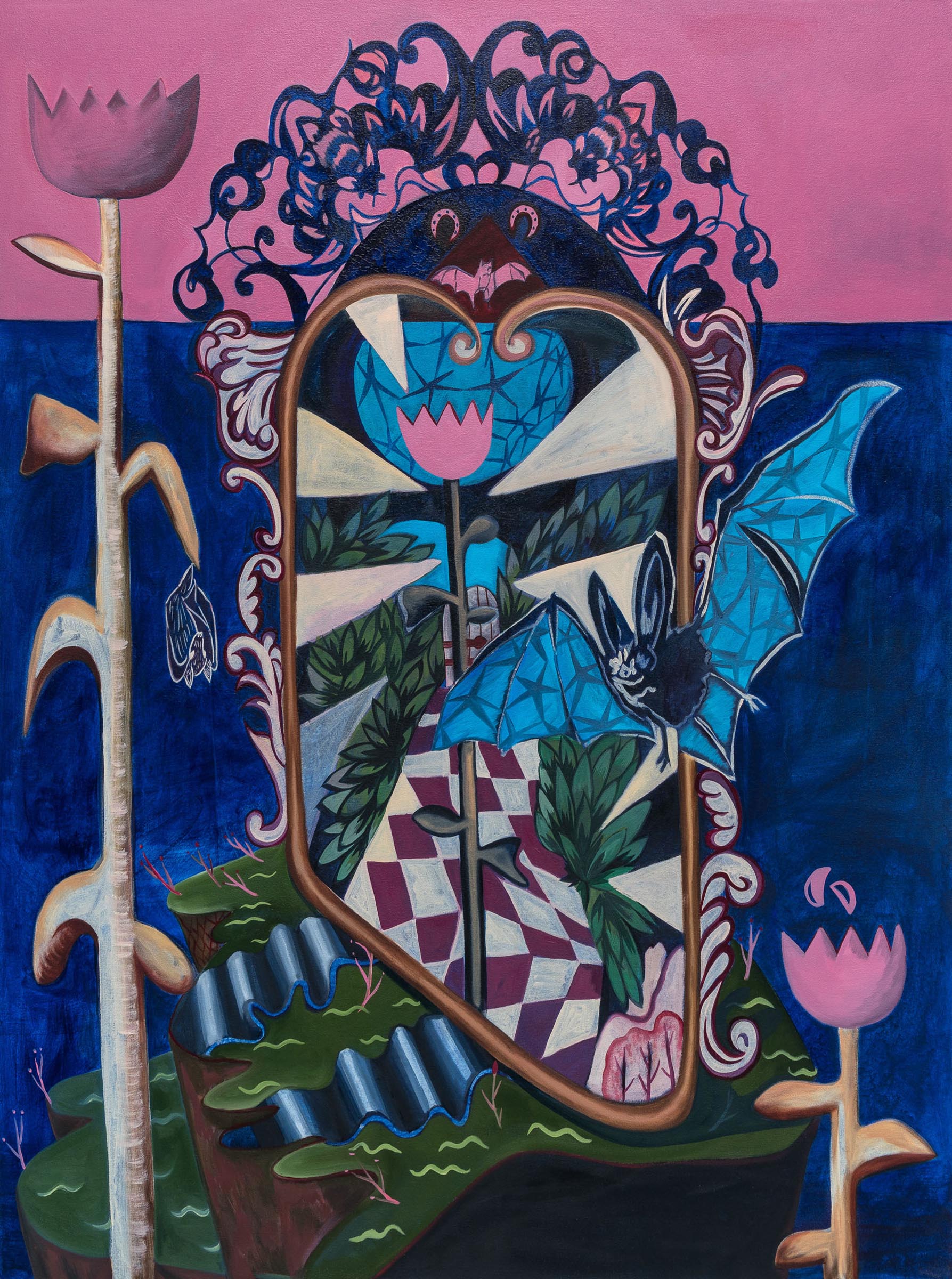
Reflection of Five Bats, acrylic and oil on canvas, 50 x 60 inches, 2024
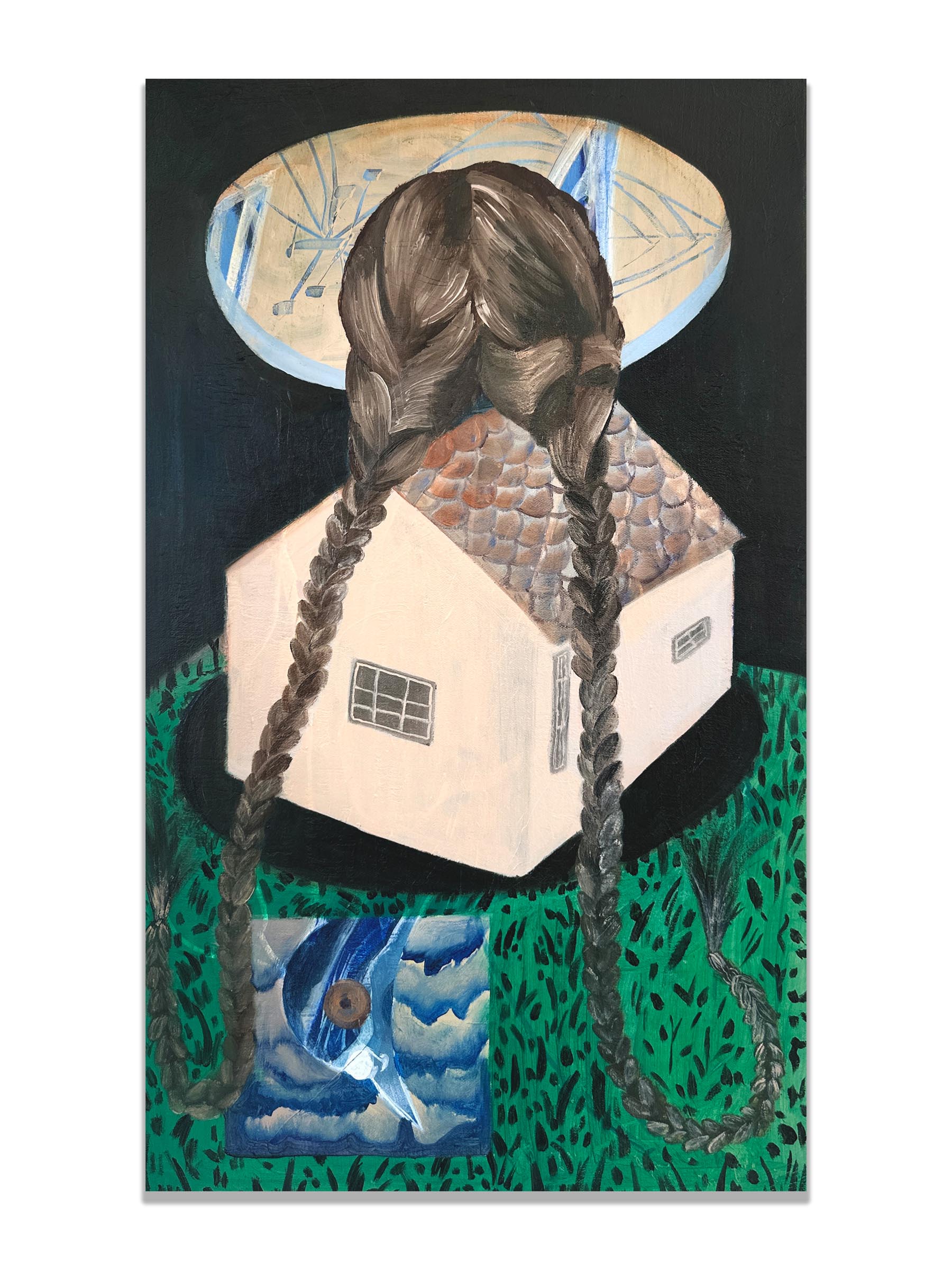
Tell Me Your Story, 2026, acrylic and oil on linen, 13 x 22 inches
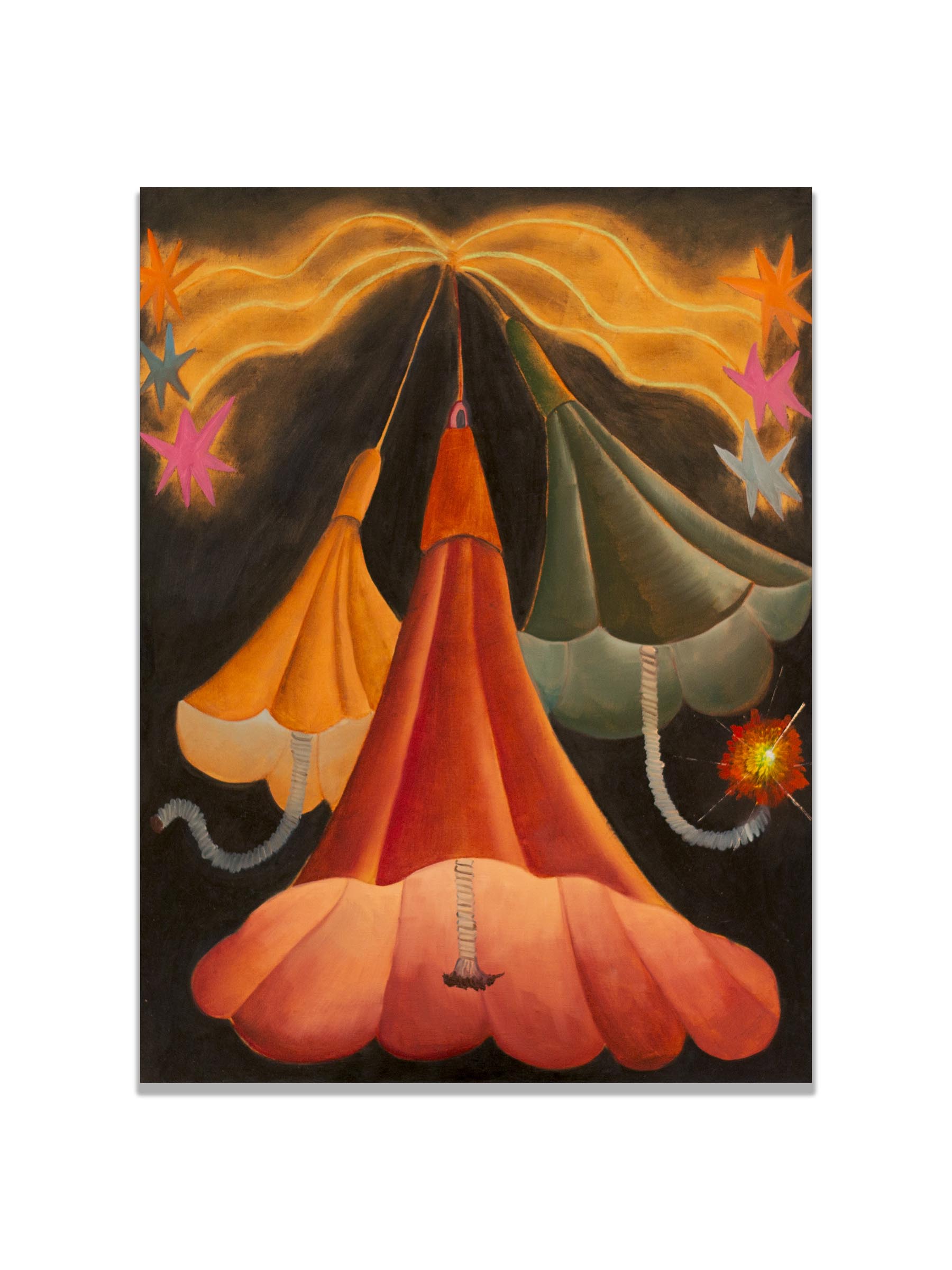
Watching the Flames Shoot Up and Roar, 2026, acrylic and oil on linen, 18 x 24 inches
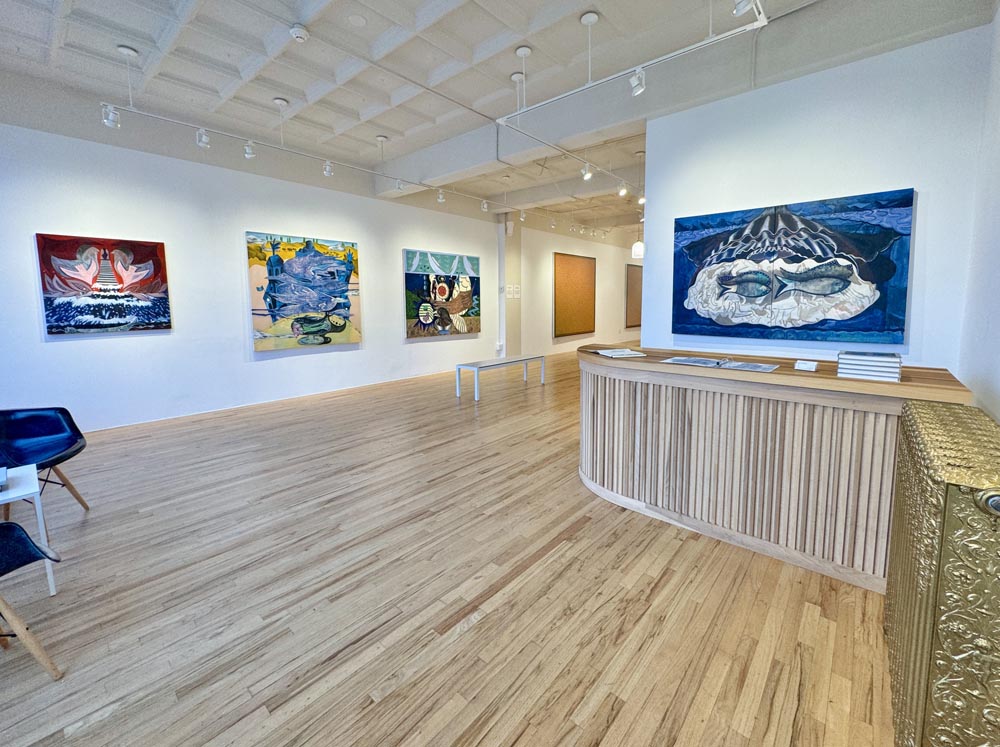
Hollow Castle, Care of Gallery, Chicago, IL, photo credit: artist
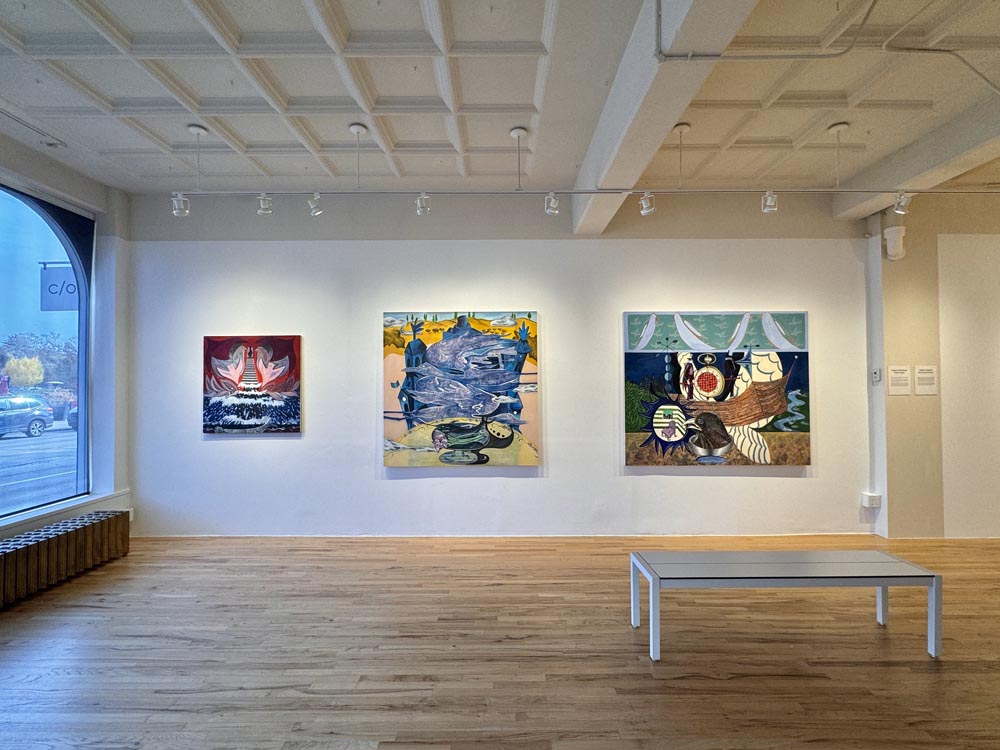
Hollow Castle, Care of Gallery, Chicago, IL, photo credit: artist
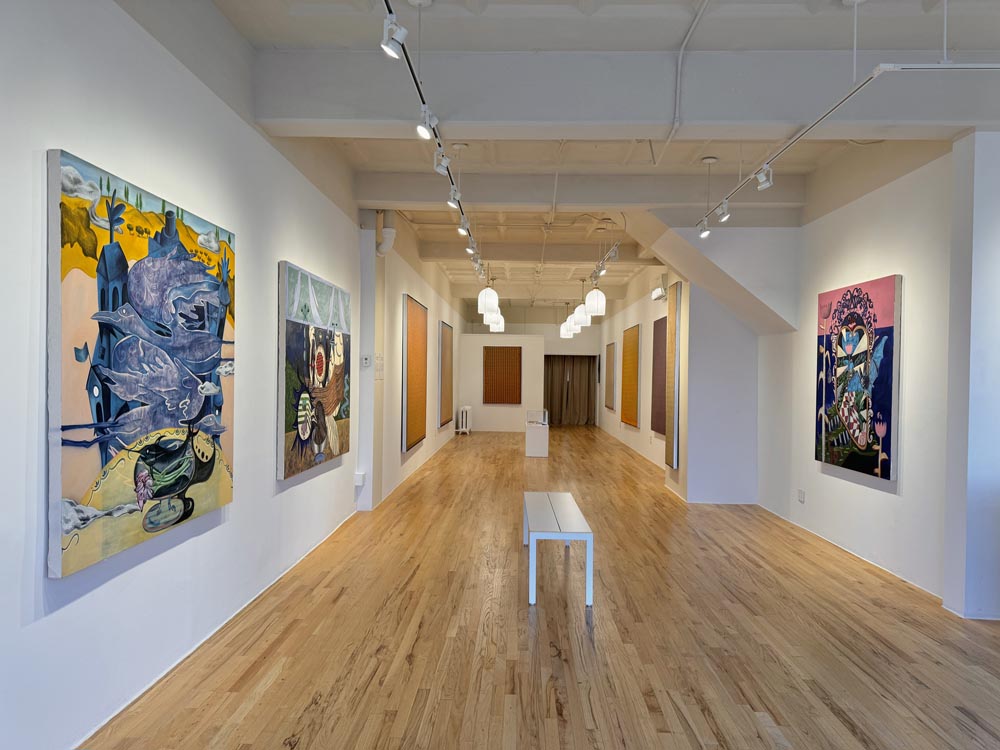
Hollow Castle, Care of Gallery, Chicago, IL, photo credit: artist
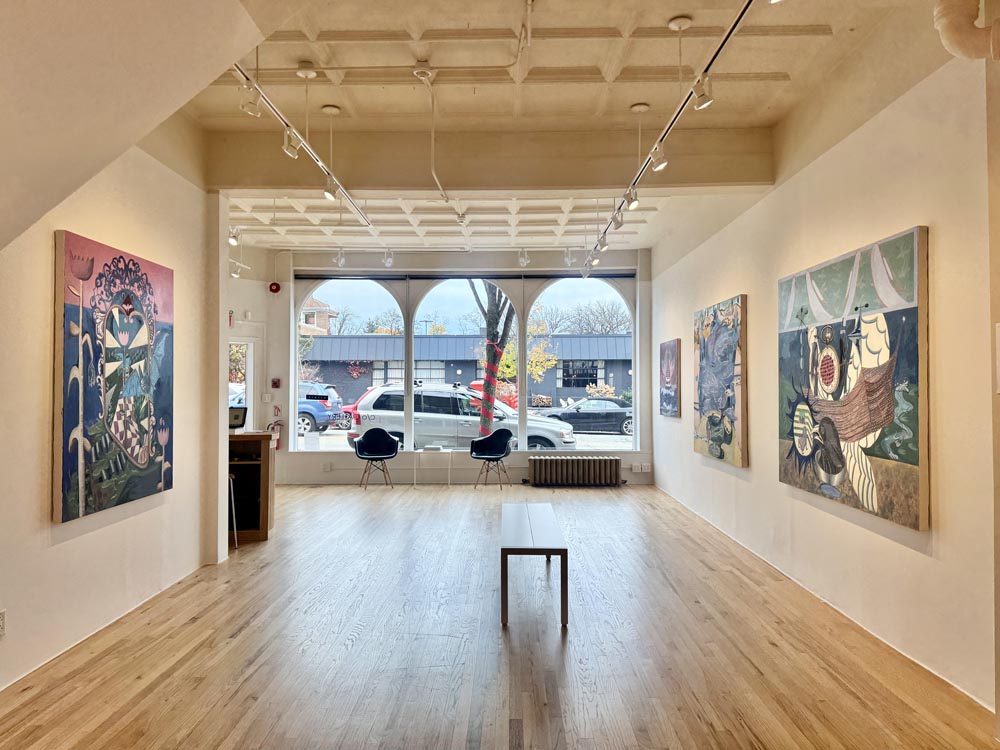
Hollow Castle, Care of Gallery, Chicago, IL, photo credit: artist
Artist Statement Biography
Jingqi Steinhiser(b. 1997, Beijing, China) is a multidisciplinary visual artist who grew up in Mongolia and currently lives and works in the United States. She received her BFA from the School of the Art Institute of Chicago in 2020 and her MFA from the Rhode Island School of Design in 2022. Shaped by a life lived across shifting cultural, linguistic, and geographic borders, her practice explores migration, memory, and the fragmented process of identity formation in a globalized world.
Jingqi’s work invites viewers into imagined surreal landscapes that capture the disorientation produced by constant movement and the lingering pull of nostalgia. She weaves symbols of specific historical moments together with imagery drawn from traditional mythology, prophecy, and folklore. Through this visual synthesis, her paintings create psychological shelters, spaces of pause and reflection, for individuals navigating multiple cultural identities. These figures often appear suspended between belonging and displacement, mirroring the artist’s own experiences of growing up between cultures. Rather than offering a fixed resolution, Jingqi’s work acknowledges both the struggle and the release found in existing within these in-between states.
A recurring formal strategy in her paintings is the construction of imposing barriers or architectural blockades positioned at the center of the composition. These physical obstructions deliberately prevent the viewer from entering the pictorial space. Conceptually, they reflect the obstacles she encounters in daily life: learning and switching between languages, articulating a single idea across different linguistic systems, and adapting to the accelerated pace of contemporary living and working environments. The act of blockage becomes both a metaphor for limitation and a site of negotiation.
Language plays a crucial role in Jingqi’s visual vocabulary. Her curiosity about proverbs, idioms, and their shifting meanings across cultures often finds expression in her work. Chinese phrases such as Wu Fu Lin Men (Five Blessings Arrive at the Door) or San Yang Kai Tai (Three Rams Herald Prosperity) are introduced through visual puns and homophonic humor, creating moments of wit that coexist with deeper emotional undercurrents. These linguistic references highlight how meaning can transform and sometimes fracture when translated across different cultural contexts.
Jingqi’s practice is also a response to the paradox of globalization; while increased connectivity brings cultures closer together, it can simultaneously erase specificity, producing surface-level uniformity that obscures individual histories. This pressure toward unity affects personal freedom, class dynamics, taste, and self-definition, leaving many individuals disoriented in their search for belonging. Her work resists this flattening by foregrounding complexity, contradiction, and emotional residue.
Recurring motifs like hollow castles, soulless birds, broken wonderlands, and distracted dinner conversations populate her imagined worlds. Suspended between familiarity and the strange, these scenes seek to mend fragmented childhood memories while engaging collective myths that resonate across personal histories. Each work is carefully constructed to evoke nostalgia while examining shared myths and symbols that resonate across personal and collective identities. Through this dual exploration, Jingqi invites viewers not only to witness her narratives but to recognize and reflect upon their own stories of belonging, loss, and becoming.
Jingqi Steinhiser(b. 1997, Beijing, China) is a multidisciplinary visual artist who grew up in Mongolia and currently lives and works in the United States. She received her BFA from the School of the Art Institute of Chicago in 2020 and her MFA from the Rhode Island School of Design in 2022. Shaped by a life lived across shifting cultural, linguistic, and geographic borders, her practice explores migration, memory, and the fragmented process of identity formation in a globalized world.
Jingqi’s work invites viewers into imagined surreal landscapes that capture the disorientation produced by constant movement and the lingering pull of nostalgia. She weaves symbols of specific historical moments together with imagery drawn from traditional mythology, prophecy, and folklore. Through this visual synthesis, her paintings create psychological shelters, spaces of pause and reflection, for individuals navigating multiple cultural identities. These figures often appear suspended between belonging and displacement, mirroring the artist’s own experiences of growing up between cultures. Rather than offering a fixed resolution, Jingqi’s work acknowledges both the struggle and the release found in existing within these in-between states.
A recurring formal strategy in her paintings is the construction of imposing barriers or architectural blockades positioned at the center of the composition. These physical obstructions deliberately prevent the viewer from entering the pictorial space. Conceptually, they reflect the obstacles she encounters in daily life: learning and switching between languages, articulating a single idea across different linguistic systems, and adapting to the accelerated pace of contemporary living and working environments. The act of blockage becomes both a metaphor for limitation and a site of negotiation.
Language plays a crucial role in Jingqi’s visual vocabulary. Her curiosity about proverbs, idioms, and their shifting meanings across cultures often finds expression in her work. Chinese phrases such as Wu Fu Lin Men (Five Blessings Arrive at the Door) or San Yang Kai Tai (Three Rams Herald Prosperity) are introduced through visual puns and homophonic humor, creating moments of wit that coexist with deeper emotional undercurrents. These linguistic references highlight how meaning can transform and sometimes fracture when translated across different cultural contexts.
Jingqi’s practice is also a response to the paradox of globalization; while increased connectivity brings cultures closer together, it can simultaneously erase specificity, producing surface-level uniformity that obscures individual histories. This pressure toward unity affects personal freedom, class dynamics, taste, and self-definition, leaving many individuals disoriented in their search for belonging. Her work resists this flattening by foregrounding complexity, contradiction, and emotional residue.
Recurring motifs like hollow castles, soulless birds, broken wonderlands, and distracted dinner conversations populate her imagined worlds. Suspended between familiarity and the strange, these scenes seek to mend fragmented childhood memories while engaging collective myths that resonate across personal histories. Each work is carefully constructed to evoke nostalgia while examining shared myths and symbols that resonate across personal and collective identities. Through this dual exploration, Jingqi invites viewers not only to witness her narratives but to recognize and reflect upon their own stories of belonging, loss, and becoming.
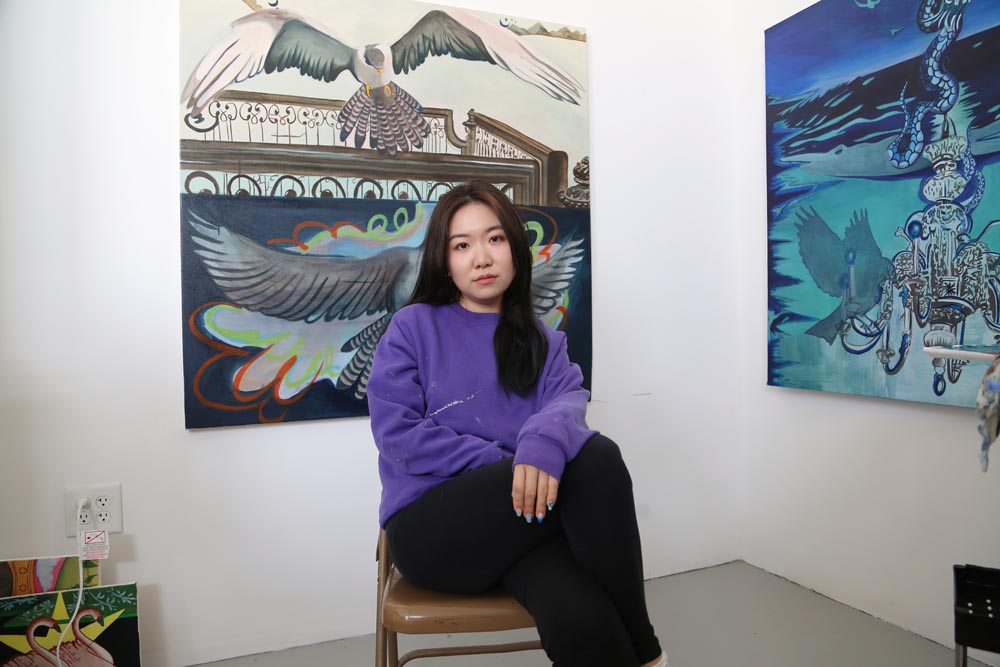
Meet the Artist
Jingqi Wang Steinhiser's
Surreal Landscapes
jingqisteinhiser.com
@jingqi_wang_steinhiser
Sign Up for Our Mailing List
Sign Up for Our Mailing List
To Receive Grant Cycle Deadlines and Winner Announcements
To Receive Grant Cycle Deadlines and Winner Announcements